
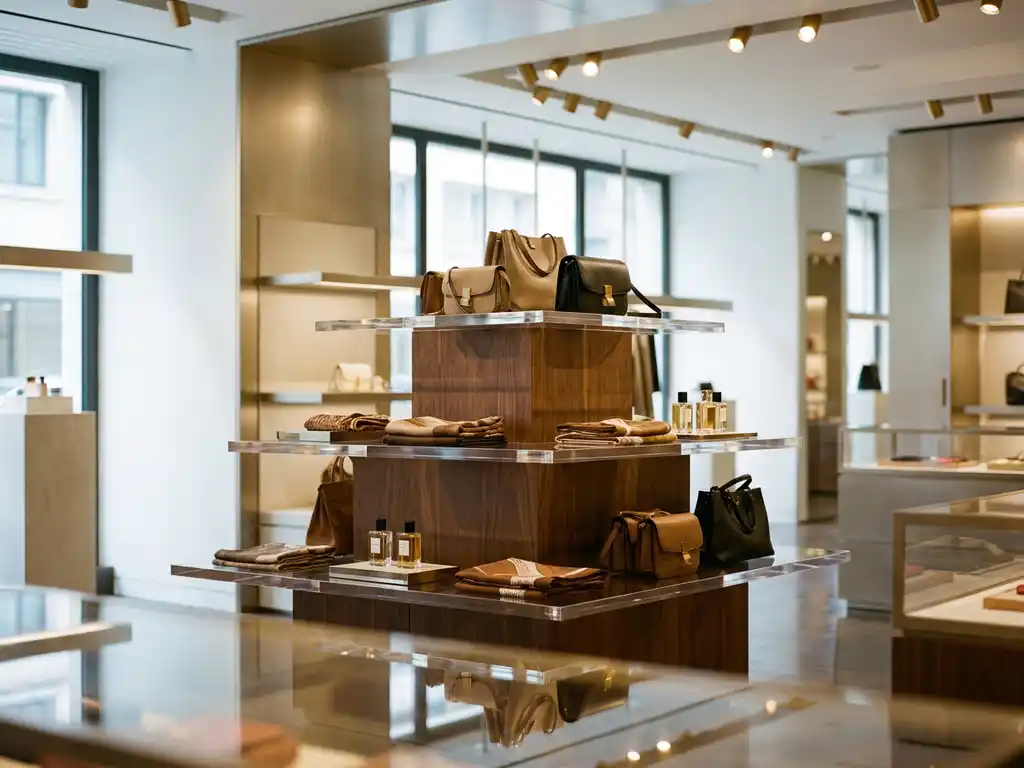
Making a product stand out in a retail store requires deliberate display design, strategic placement, and materials that command attention at the point of purchase. The most effective approach combines visual hierarchy, brand-consistent creative, and physical structures that direct the shopper's eye and invite engagement. The questions below address the key decisions brand owners and marketing teams face when developing a standout in-store presence.
At the point of purchase, a shopper's decision is most strongly influenced by visual salience, brand familiarity, and the physical accessibility of a product. Research in shopper behaviour consistently identifies the first few seconds of shelf exposure as decisive - if a display fails to interrupt the shopper's path or communicate value immediately, the opportunity is lost.
Several factors operate simultaneously in this moment:
Understanding these triggers is the foundation of effective retail brand activation. Brands that treat the display as an extension of their marketing strategy, rather than a functional afterthought, consistently achieve stronger results on shelf.
Retail display design directly determines how visible a product is within the store environment. A well-designed display creates a focal point that separates the product from surrounding stock, communicates brand identity at a glance, and guides the shopper toward engagement. Poor design, by contrast, causes a product to recede into the visual noise of a busy retail floor.
Structural design choices carry significant weight here. The height, footprint, and orientation of a display unit influence sightlines from multiple distances - a freestanding unit visible from the store entrance performs differently from a shelf-mounted unit designed for close-range impact. Both have a role, but each demands a different creative and structural approach.
Graphic design applied to the display reinforces the structural work. Typography scale, imagery, and colour blocking all serve to communicate a hierarchy of information - what the product is, why it matters, and what the shopper should do next. When graphic and structural design are developed in alignment, the result is a cohesive unit that performs as a complete communication tool rather than a collection of separate elements.
The most effective in-store displays for standing out are those matched to the retail environment, the shopper journey, and the product category. No single format outperforms all others universally - effectiveness is determined by the fit between display type, location, and brand objective.
The most commonly used and commercially proven formats include:
The choice between formats should be driven by the shopper journey specific to the retail environment, the available space negotiated with the retailer, and the campaign or category objectives the brand is working toward.
The key difference between permanent and temporary POS displays lies in their intended lifespan, material specification, and commercial purpose. Permanent displays are designed for long-term use - typically installed as part of a branded fixture suite and built to withstand sustained shopper interaction. Temporary displays are produced for short-term campaigns, seasonal promotions, or product launches, and are generally constructed from lighter, lower-cost materials.
Permanent displays are engineered for durability and brand consistency. They are typically constructed from materials such as metal, acrylic, solid wood, or high-grade engineered timber, and are designed to maintain their visual quality over an extended period. The investment is higher at the outset, but the cost-per-use over the display's lifespan makes them commercially viable for brands with ongoing retail commitments. Permanent fixtures are most appropriate for brands with a fixed retail presence and a stable product range.
Temporary displays serve a different commercial function. Built to support a defined campaign window - a product launch, a seasonal promotion, or a retailer-specific activation - they are typically constructed from corrugated board, lightweight plastics, or foamex. Speed of production and cost efficiency are the primary drivers. When designed with precision, temporary displays can deliver strong visual impact despite their shorter lifespan. For brands testing a new retail environment or responding to a short-term market opportunity, temporary POS displays provide flexibility without the capital commitment of a permanent installation.
Sustainable materials can be used in retail display without sacrificing visual or structural impact by selecting alternatives that match the performance characteristics of conventional materials while reducing environmental footprint. The assumption that sustainability requires compromise in quality or aesthetics is outdated - material innovation in 2026 has closed that gap significantly.
Practically, this means specifying materials such as FSC-certified timber, recycled or recyclable acrylic, responsibly sourced metalwork, and water-based inks for graphic applications. These choices do not require a reduction in the quality of the finished display - they require a supplier with the technical knowledge to specify and work with them effectively.
Sustainable display design also extends beyond material choice. Designing for disassembly - building units that can be broken down and recycled at end of life - reduces waste without affecting the in-store performance of the display. Modular systems that can be updated with new graphics or reconfigured for different retail environments extend the usable life of a display and reduce the frequency of full replacements.
For brand owners, the commercial case for sustainable display is strengthening. Retailers increasingly require suppliers and brand partners to demonstrate environmental credentials, and shoppers are more attuned to sustainability signals at the point of purchase than at any previous point. A display that communicates both brand quality and environmental responsibility delivers on two fronts simultaneously.
The design and production of a retail display should be managed by a single partner with end-to-end capability - from concept development and CAD through to manufacturing, compliance, and installation. Splitting these functions across multiple suppliers introduces coordination risk, delays, and inconsistencies between the design intent and the finished product.
When responsibility is fragmented, critical information is lost between handover points. A design agency without manufacturing knowledge may specify materials or structures that are impractical to produce at scale. A manufacturer without design capability may deliver a structurally sound unit that fails to communicate the brand effectively. The result in either case is a display that underperforms relative to the investment made.
A fully integrated partner manages the entire project lifecycle internally, ensuring that creative decisions are informed by manufacturing reality, and that the finished installation matches the original brief. This model also simplifies project management for the brand owner - one point of contact, one accountability chain, and a clear line of responsibility from brief to installation.
Pivotal is a UK-based, full-service retail design company that manages every stage of the display process - from initial concept and retail display design through to manufacturing, installation, and compliance. For brand owners seeking a single, accountable partner for their in-store presence, Pivotal's integrated model removes the coordination risk that comes with using multiple suppliers.
Pivotal's capabilities include:
Whether the objective is a permanent branded fixture, a promotional FSDU, or a full retail brand activation campaign, Pivotal delivers the creative and technical expertise to make it perform. To discuss your next in-store project, contact the Pivotal team directly.