
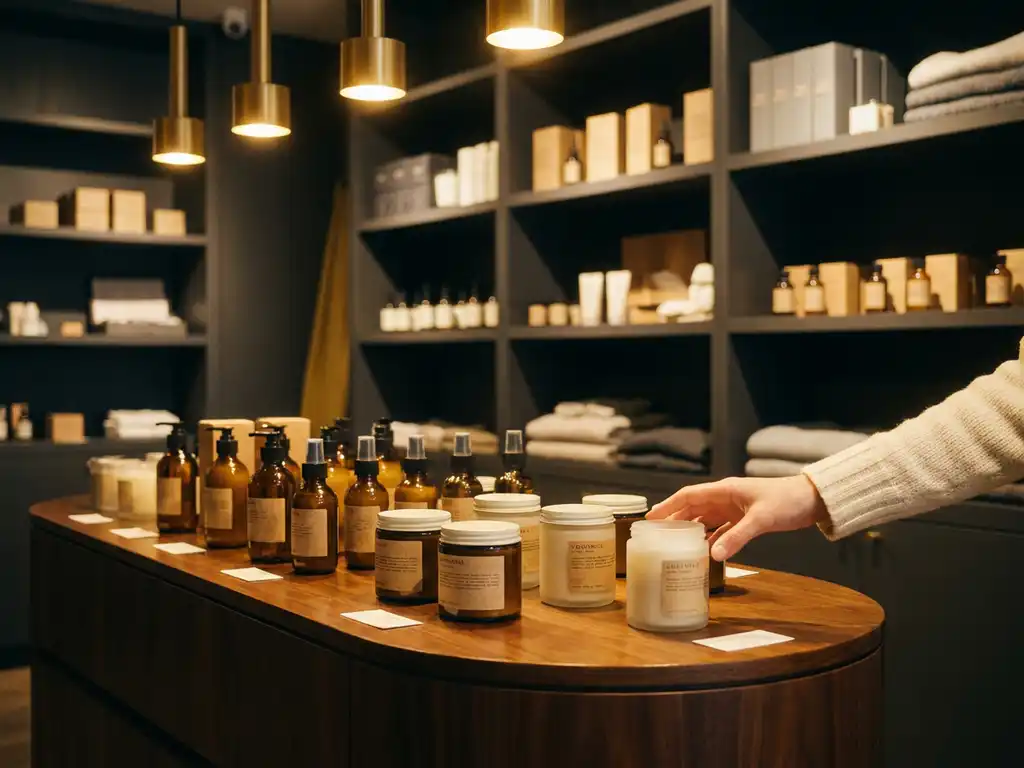
Store atmosphere directly influences purchasing decisions by shaping how shoppers feel, navigate, and engage within a retail environment. When the sensory and spatial elements of a store are aligned with a brand's identity and the shopper's expectations, they create conditions that encourage exploration, extend dwell time, and increase the likelihood of purchase. The sections below address the specific mechanisms through which store atmosphere drives shopper behaviour and commercial outcomes.
Store atmosphere in retail is the combined effect of visual, sensory, spatial, and experiential elements that shape how shoppers perceive and interact with a physical environment. These elements work together to create an emotional and psychological context that influences mood, movement, and ultimately purchasing behaviour. No single element operates in isolation — the impact comes from their interaction.
The core components of retail atmosphere include:
For brand owners and retail experience managers, understanding these elements as a system — rather than individual variables — is essential to designing environments that convert browsers into buyers.
Lighting affects shopper behaviour by influencing how products are perceived, how long shoppers linger in a space, and how comfortable they feel navigating the store. Warm lighting tends to create an inviting, relaxed atmosphere that encourages browsing, while cooler, brighter lighting signals efficiency and clarity — more suited to high-volume retail environments where speed of decision-making matters.
Beyond mood, lighting serves a functional role in directing attention. Accent lighting draws the eye to specific products or displays, making it a powerful tool for highlighting premium lines or promotional items. In beauty and skincare retail, for example, lighting that accurately renders colour and skin tone is critical to building shopper confidence in product selection.
Poorly considered lighting can undermine even the strongest retail design. If products appear flat, shadows obscure key details, or the overall environment feels harsh, shoppers disengage. Retailers and brands that invest in lighting as a deliberate design element — rather than a functional afterthought — consistently see longer dwell time and improved conversion at the fixture level.
Store layout directly influences how much shoppers spend by controlling which products they encounter, how long they spend in the store, and how easily they can locate items. A well-designed layout maximises product exposure, encourages unplanned purchases, and reduces friction in the path to purchase — all of which have a measurable effect on basket size.
Layouts that place high-demand products deeper within the store — or position complementary products in proximity to one another — increase the number of touchpoints a shopper encounters during a visit. This deliberate structuring of the shopper journey is a proven method for increasing the value of each transaction.
Equally important is the flow of traffic. Layouts that allow shoppers to move intuitively through a space reduce frustration and keep them engaged for longer. Conversely, cluttered or confusing layouts create cognitive load that prompts shoppers to leave before completing their intended purchase. For brands operating within third-party retail environments, the design and placement of in-store fixtures and displays become the primary lever for influencing shopper flow within a defined space.
Sensory marketing at the point of purchase uses carefully selected cues — including scent, sound, texture, and visual stimuli — to influence shopper mood, attention, and decision-making in the moments immediately before a purchase is made. By engaging multiple senses simultaneously, brands can create a more immersive and emotionally resonant experience that strengthens purchase intent.
Scent is among the most powerful sensory tools available to retailers. A distinctive fragrance associated with a brand or product category can trigger emotional responses and brand recall with remarkable speed. In beauty, wellness, and food retail, scent marketing is particularly effective at reinforcing product appeal and encouraging trial.
Sound, including in-store music and ambient audio, affects the pace at which shoppers move through a space. Slower tempos have been shown to reduce the speed of movement, increasing time spent in-store. Texture — delivered through the physical quality of display materials, product packaging, or interactive fixtures — engages shoppers tactilely and builds perceived product value.
For brands investing in retail display design, sensory considerations should be embedded from the earliest stages of the design brief. A display unit that engages sight, touch, and scent simultaneously creates a far more compelling shopper interaction than one that relies on visual communication alone.
Point of sale displays shape in-store purchase decisions by placing products and brand messaging directly in the shopper's field of vision at the moment they are most receptive to making a choice. A well-executed POS display interrupts habitual shopping patterns, communicates product benefits quickly, and creates a sense of relevance or urgency that drives conversion.
The effectiveness of a POS display depends on several factors:
Brands that treat POS as a strategic asset rather than a tactical add-on consistently achieve stronger results at the shelf. The design, manufacture, and placement of point of sale materials should reflect the same level of investment as any other brand communication channel.
Brands can measure the impact of store atmosphere on sales by tracking a combination of behavioural metrics, sales data, and structured shopper feedback before and after environmental changes are implemented. The most reliable approach combines quantitative data with qualitative insight to build a complete picture of how atmospheric changes affect shopper behaviour and commercial performance.
Practical measurement methods include:
Brands operating across multiple retail locations should treat measurement as an ongoing process rather than a one-time evaluation. Atmospheric elements interact with one another and with the broader retail context, so continuous monitoring allows for iterative improvement over time.
Pivotal is a full-service retail design partner that helps brands translate atmospheric strategy into physical reality — from the earliest concept stage through to installation and ongoing compliance. For brands seeking to strengthen their in-store presence, Pivotal offers:
In 2025 alone, Pivotal's in-store engineers visited a store every 34 minutes and installed over 2,000 new retail and brand experiences — a scale of operation that reflects genuine capability and operational depth. If your brand is ready to design a more compelling in-store environment, connect with Pivotal to begin the conversation.