
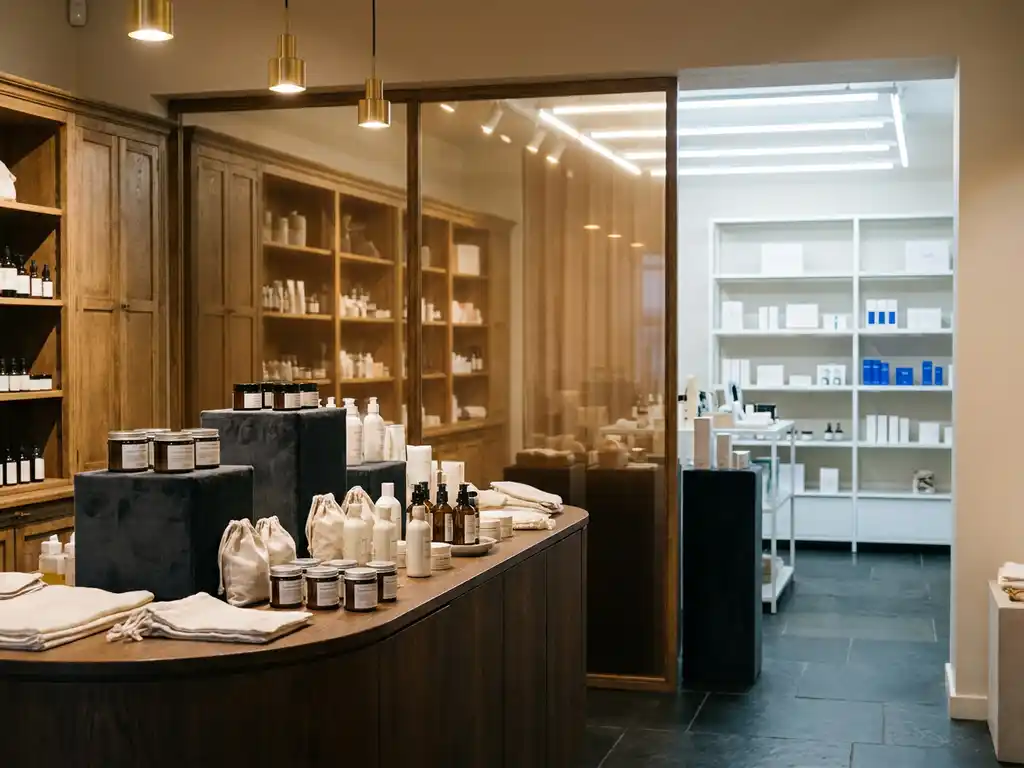
Experiential retail and traditional retail differ fundamentally in their purpose: traditional retail is designed to facilitate a transaction, while experiential retail is designed to create a memorable, emotionally engaging encounter that drives both purchase and brand loyalty. The distinction lies not in product category or store size, but in how the physical environment is engineered to connect with the shopper. The sections below unpack each dimension of that difference, from display design and product category fit to sustainability and the right moment to make the shift.
Experiential retail transforms the in-store environment from a passive browsing space into an active, sensory-driven encounter. Rather than simply presenting products on shelves, the physical space is designed to immerse shoppers in a brand narrative, encouraging interaction, discovery, and emotional connection. The environment becomes a medium of communication in its own right.
In practical terms, this means fixtures, displays, and layouts are no longer purely functional. Lighting, materials, spatial flow, and interactive elements are all deployed with deliberate intent. A shopper in an experiential environment is guided through a curated journey rather than left to navigate a grid of shelves. The result is a measurable increase in dwell time, deeper brand engagement, and stronger purchase intent at the point of sale.
This shift also changes how brands and retailers collaborate. Rather than briefing a supplier to produce a standard gondola or shelf unit, brand owners work with retail design specialists to develop bespoke environments that translate brand identity into physical form, from concept and CAD through to manufacturing and installation.
Traditional retail is characterised by a transactional, efficiency-led approach to the in-store environment. Its defining features are standardised layouts, functional fixtures, and a primary focus on product visibility and stock capacity rather than shopper engagement or brand storytelling.
The core features of traditional retail include:
Traditional retail is not inherently ineffective. For commodity categories and high-frequency repurchase products, a clean, efficient layout serves shopper needs well. However, where brand differentiation, premium positioning, or new product discovery are commercial priorities, the traditional model leaves significant value on the table.
A retail display becomes experiential when it moves beyond presenting a product and instead creates a reason to stop, engage, and interact. The defining characteristic is intent: an experiential display is designed to generate an emotional or sensory response, not simply to hold stock at eye level.
Several design principles separate experiential displays from traditional ones:
The distinction matters commercially because experiential displays drive measurable differences in shopper behaviour. Dwell time increases, product trial rates improve, and brand recall is significantly stronger when the physical environment has been designed with engagement as its primary objective.
Product categories where purchase decisions are emotionally driven, sensory-dependent, or heavily influenced by brand perception benefit most from experiential retail. These include beauty, skincare, fragrance, premium food and beverage, fashion, wellness, and lifestyle products, where the physical encounter with a brand directly influences willingness to buy.
In beauty and skincare, for example, shoppers frequently make decisions based on texture, scent, and the perceived credibility of the brand environment. A well-designed pharmacy display for a skincare brand communicates clinical authority or natural provenance through its materials and layout in a way that a standard shelf unit cannot. The same logic applies to premium food and beverage, where provenance and quality cues are communicated through the physical retail environment as much as through packaging.
Categories with high competition at the point of purchase also benefit disproportionately. When multiple brands occupy the same fixture category, the brand that invests in a distinctive, experiential display captures shopper attention and drives trial ahead of competitors presented in standard formats. Fashion and lifestyle brands operating in department stores or specialist retail chains face exactly this dynamic, where a standout in-store presence is a direct driver of commercial performance.
A brand should shift from traditional to experiential retail when the in-store environment is no longer delivering adequate differentiation, trial, or brand communication at the point of purchase. The trigger is typically a commercial signal: declining conversion, loss of shelf presence to competitors, a new product launch that requires education, or a brand repositioning that demands a physical expression of the updated identity.
Specific scenarios that indicate the right moment to make the shift include:
The shift does not require a complete overhaul of every touchpoint simultaneously. A phased approach, beginning with the highest-traffic or highest-margin category, allows brands to test, refine, and build the commercial case for broader investment in experiential retail design.
Sustainability is increasingly a structural requirement within experiential retail design, not an optional add-on. As brands face growing scrutiny over their environmental commitments, the materials, manufacturing processes, and end-of-life considerations built into a retail display are as much a part of brand communication as the visual design itself.
In practice, sustainable experiential retail design involves:
For brand owners and marketing directors, the commercial argument for sustainable retail design is straightforward. Retail partners and consumers alike are increasingly attentive to the environmental credentials of the brands they stock and buy. A display that communicates both brand quality and environmental responsibility strengthens the brand's position at the point of purchase and aligns with the retailer's sustainability agenda simultaneously.
Pivotal is a UK-based, full-service retail design company that works with brand owners and marketing teams to design, manufacture, and install in-store experiences that go beyond the standard. For brands looking to move from a transactional shelf presence to a genuinely engaging retail environment, Pivotal provides an end-to-end capability that removes the need for multiple agencies or suppliers.
Pivotal's service covers every stage of the process:
In 2025 alone, Pivotal installed over 2,000 new retail and brand experiences and welcomed 15 new global brands as in-store partners. For brands ready to invest in physical retail that delivers measurable commercial results, connect with the Pivotal team to begin the conversation.