
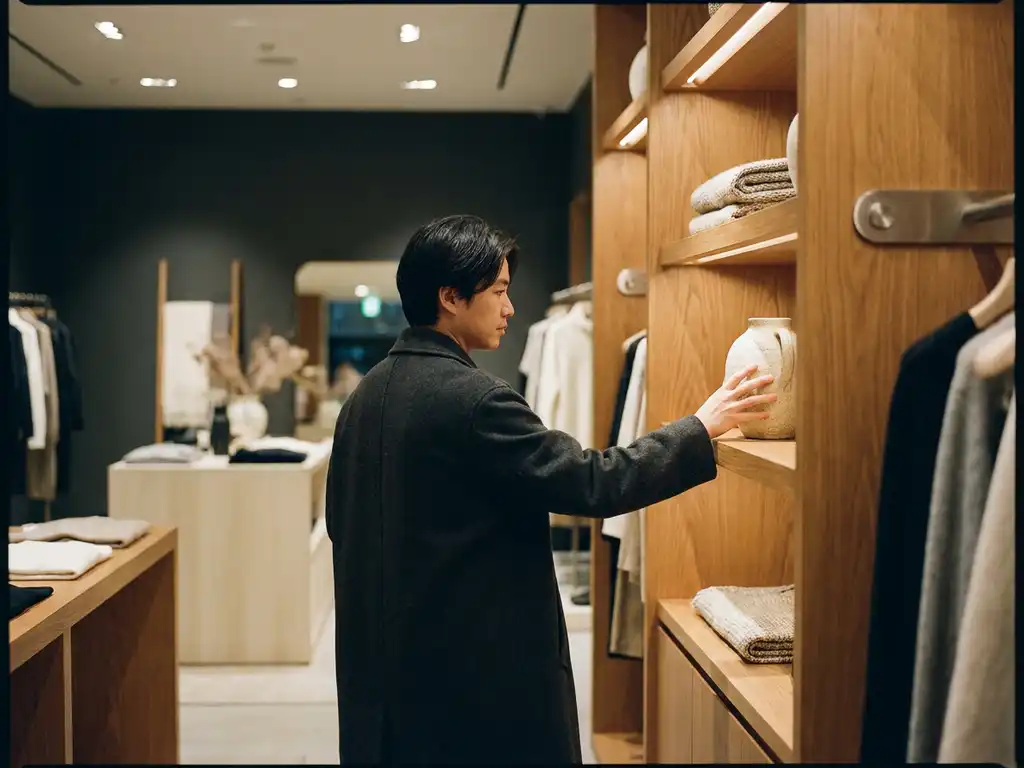
A positive in-store experience directly strengthens post-purchase brand loyalty by creating an emotional connection that digital channels struggle to replicate. When shoppers feel engaged, informed, and valued at the point of purchase, they associate those feelings with the brand itself, not just the transaction. The sections below explore the specific mechanisms through which physical retail design, point of sale execution, and memorable display environments translate into long-term shopper loyalty.
After a positive in-store experience, brand perception improves significantly and durably. Shoppers who feel guided, inspired, or emotionally engaged during a store visit form stronger associations with the brand, rating it higher on trust, quality, and relevance. This perceptual shift extends well beyond the moment of purchase and influences future buying decisions.
Physical retail creates sensory impressions that reinforce brand identity in ways that a product page or social media post cannot. The tactile quality of a display, the clarity of product communication, and the coherence of a brand environment all contribute to how a shopper perceives the brand's values and positioning. When these elements are executed well, they validate a purchase decision and reduce post-purchase doubt, a recognised driver of repeat buying behaviour.
For brand owners operating in competitive categories such as beauty, health, or lifestyle, the in-store environment is often the last point of influence before a shopper commits. A well-designed retail experience does not merely support the sale; it shapes how the brand is remembered.
Physical retail design affects repeat purchase behaviour by making the shopping experience feel intuitive, rewarding, and consistent with the brand's identity. When shoppers can navigate a display easily, understand product benefits clearly, and interact with fixtures that feel premium, they are more likely to return. Design removes friction and replaces it with confidence.
Repeat purchase is rarely a rational decision made in isolation. It is heavily influenced by the residual impression a brand leaves after the first interaction. A shopper who encountered a well-considered, clearly branded display is more likely to seek out that brand again, even across different retail environments, because the experience created a reference point for quality.
Consistency in retail design across multiple touchpoints, whether a pharmacy shelf unit, a department store gondola, or a promotional display, reinforces brand recognition and builds familiarity. Familiarity, in turn, reduces the cognitive effort required to choose the same brand again. This is why brands that invest in cohesive, professionally executed in-store design consistently outperform those that treat retail display as an afterthought.
Point of sale plays a central role in building brand loyalty by communicating brand values, differentiating products from competitors, and guiding shoppers toward confident purchase decisions at the most critical moment in the buying journey. Effective POS does not just display a product; it tells a brand story in a matter of seconds.
At the point of purchase, shoppers are making rapid assessments. A well-crafted POS unit signals brand credibility, communicates key product benefits, and creates a moment of engagement that feels deliberate rather than transactional. This is particularly important in highly competitive categories where multiple brands occupy the same shelf space.
Beyond the initial sale, POS that is visually distinctive and brand-coherent becomes part of how shoppers recognise and recall a brand on subsequent visits. When a shopper walks past a fixture they remember positively, that recognition reinforces loyalty before they have even picked up the product. In this way, point of sale functions as both a conversion tool and a long-term brand asset.
Shoppers remain loyal to brands with strong in-store presence because physical retail experiences create emotional and sensory memories that reinforce brand identity over time. A brand that consistently delivers a high-quality, well-considered retail environment signals reliability, which is one of the most powerful drivers of repeat purchase and long-term loyalty.
Trust is built through consistency. When a brand's in-store presence reflects the same values, quality, and attention to detail as its product, shoppers develop confidence in the brand as a whole. This is especially relevant in sectors such as skincare, wellness, and premium lifestyle, where the perceived quality of the retail environment directly influences perceptions of the product itself.
There is also a social and experiential dimension to consider. Shoppers who enjoy a brand's physical retail environment are more likely to share that experience, recommend the brand to others, and seek it out deliberately on future shopping trips. Strong in-store presence converts occasional buyers into advocates, which represents a measurable commercial return on retail design investment.
In-store experience and digital touchpoints build loyalty through fundamentally different mechanisms. Digital channels excel at reach, personalisation, and convenience, but physical retail creates the kind of sensory, emotional engagement that generates deeper brand attachment. For brands operating in physical retail environments, the two should be complementary, but the in-store experience remains the most powerful loyalty driver at the moment of purchase.
Digital interactions are largely visual and informational. They can inform, remind, and prompt, but they cannot replicate the tactile and spatial qualities of a well-designed retail environment. A shopper who handles a product in a thoughtfully constructed display, reads clear benefit messaging at eye level, and feels the brand's identity expressed through materials and form is having an experience that no screen can fully reproduce.
In 2026, as brands invest heavily in digital marketing, the in-store environment has become a genuine differentiator. Brands that maintain a compelling physical retail presence stand out precisely because so many have deprioritised it. Shoppers who encounter a strong in-store experience are often more primed to engage digitally afterwards, meaning physical retail can amplify digital loyalty rather than compete with it.
An in-store display experience is worth remembering when it combines clear brand communication, intuitive navigation, sensory engagement, and a sense of quality that reflects the brand's values. Memorability comes from the intersection of design coherence, emotional resonance, and practical usefulness for the shopper at the point of decision.
Several factors distinguish a forgettable display from one that creates a lasting impression:
Brands that invest in display experiences designed with these principles consistently see stronger shopper engagement and higher rates of repeat purchase. Memorable retail design is not an aesthetic luxury; it is a commercial strategy.
Pivotal is a full-service retail design partner that helps brands translate identity into physical in-store experiences that drive shopper loyalty and repeat purchase. From initial concept through to manufacturing and installation, Pivotal manages the entire project lifecycle, removing the need for multiple agencies and ensuring consistency at every stage.
In 2025 alone, Pivotal installed over 2,000 new retail and brand experiences, with in-store engineers visiting a store every 34 minutes. Fifteen new global brands chose Pivotal as their in-store partner that year, a reflection of the trust placed in Pivotal's capability to deliver at scale without compromising on quality.
For brand owners and marketing directors looking to strengthen shopper loyalty through physical retail, the starting point is a conversation. Connect with Pivotal to explore how bespoke in-store design can turn first-time buyers into long-term brand advocates.