
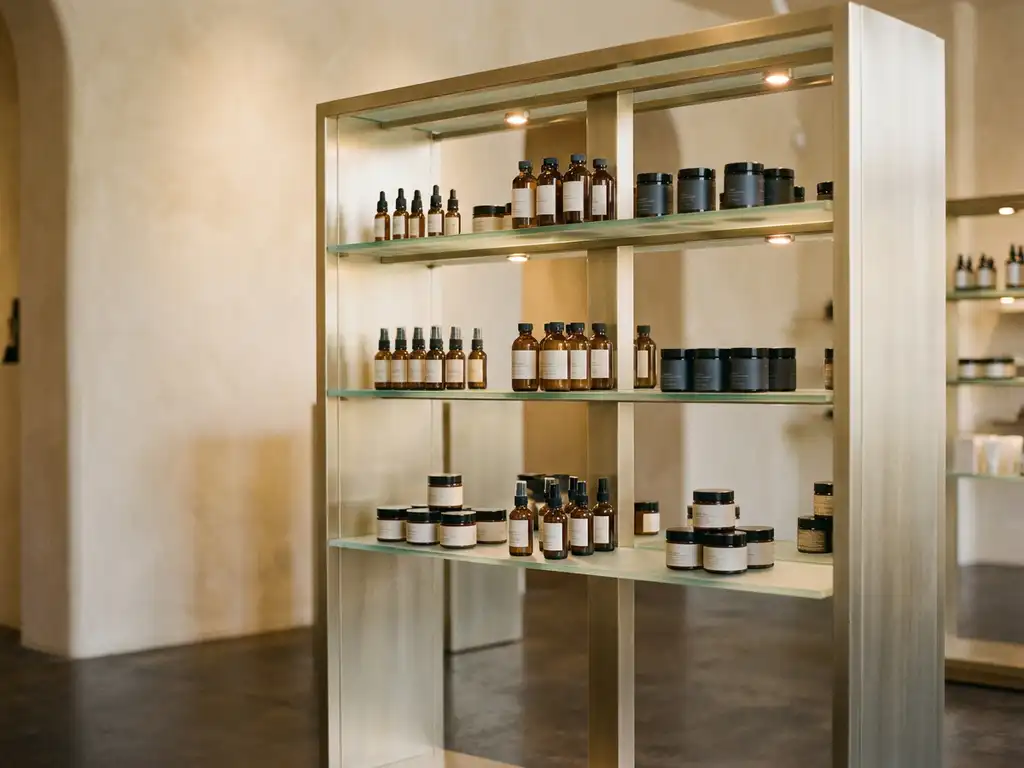
A retail display unit is a purpose-built structure designed to present products in a way that attracts shopper attention, communicates brand identity, and drives purchase decisions at the point of sale. Unlike standard shelving, a display unit is engineered around a specific product, brand brief, and retail environment. The sections below address the most common questions brands and marketing teams ask when evaluating retail displays as a strategic investment.
A retail display unit influences shopper behaviour by directing attention, creating visual hierarchy, and reinforcing brand messaging at the precise moment a purchase decision is made. When positioned correctly, a well-designed in-store display intercepts the shopper journey, increases dwell time, and elevates perceived product value without requiring any direct interaction from store staff.
The mechanism is largely visual and spatial. A display unit that stands apart from its surrounding environment creates a focal point, which draws the eye and encourages closer inspection. When that unit also communicates clear product benefits, pricing, or usage context through integrated graphics, it reduces the cognitive effort required to make a buying decision. Shoppers are more likely to convert when the information they need is immediately accessible and the product is presented compellingly.
Beyond the individual shopper, display units contribute to broader retail merchandising strategy. They can segment product ranges, differentiate premium lines from standard offerings, and signal promotional activity. In competitive retail environments such as pharmacies or department stores, where multiple brands compete for the same shelf space, a dedicated point of sale display can be the single most decisive factor in whether a shopper chooses one brand over another.
Retail display units fall into several categories based on their placement, permanence, and purpose. The most common types include freestanding floor units, countertop displays, end-of-aisle fixtures, wall-mounted displays, and temporary promotional structures. Each serves a distinct function within the retail environment and is selected based on the brand's objectives and the available retail space.
The distinction between temporary and permanent display units is particularly significant for budget planning. Temporary POS displays are generally produced at lower cost with shorter lead times, while permanent fixtures represent a longer-term investment with higher-specification materials and greater brand integration.
Retail display units are made from a wide range of materials, selected based on the unit's intended lifespan, aesthetic requirements, weight-bearing needs, and sustainability considerations. The most commonly used materials include acrylic, wood and MDF, metal, cardboard, and engineered plastics, often used in combination to achieve both structural integrity and visual impact.
Material selection is never purely aesthetic. Sustainability requirements, retailer compliance standards, and transport logistics all influence the specification. Brands operating in health, wellness, and beauty sectors are increasingly prioritising materials with lower environmental impact, and retail display partners are responding with sustainable alternatives that do not compromise on finish or longevity.
A retail display unit differs from standard shelving in that it is designed around a specific brand, product, and shopper experience rather than generic storage and product organisation. Standard shelving is a retailer-owned, neutral infrastructure. A display unit is a brand-owned communication tool that operates within that infrastructure to create distinction.
Standard shelving prioritises practicality: it holds products, allows restocking, and fits within a retailer's planogram. It is designed to be universal and interchangeable. A bespoke retail display, by contrast, is engineered to a brief. It reflects a brand's visual identity, accommodates specific product dimensions, integrates brand graphics, and may incorporate lighting, digital elements, or interactive features.
The commercial implication of this distinction is significant. A product placed on standard shelving competes on an equal footing with every adjacent brand. A product presented within a dedicated point of sale display occupies its own visual territory. It commands more attention, communicates more information, and creates a stronger brand impression, all of which contribute to higher conversion rates and stronger brand recall.
A brand should invest in a bespoke display unit when standard shelving is insufficient to communicate product value, differentiate from competitors, or meet the expectations of the retail environment. Key trigger points include new product launches, brand repositioning, entry into a new retail channel, and promotional campaigns where visibility is critical to commercial success.
Bespoke display investment is particularly justified in the following scenarios:
Brands entering premium or specialist retail environments, such as department stores, pharmacy chains, or independent boutiques, will often find that the retail environment itself demands a higher standard of display. In these contexts, a bespoke unit is not a luxury but a commercial necessity. The return on investment is realised through increased conversion, stronger brand equity at the point of purchase, and the ability to control the shopper experience in a way that generic shelving simply cannot deliver.
Responsibility for designing and installing a retail display unit typically sits with a specialist retail design and manufacturing partner, working in close collaboration with the brand's marketing or retail experience team. The process spans concept development, CAD design, prototyping, manufacturing, and on-site installation, and is most effectively managed when a single partner owns the entire project lifecycle.
When the design and installation functions are fragmented across multiple suppliers, projects are exposed to communication gaps, timeline delays, and quality inconsistencies. A fully integrated partner, with in-house design, manufacturing, and installation capabilities, eliminates these risks and maintains quality control from brief to final fit-out. You can view examples of this end-to-end approach in Pivotal's project work, which spans sectors including beauty, health, and lifestyle retail.
The brand's internal team typically defines the brief, approves creative concepts, and manages retailer relationships. The display partner translates that brief into a manufacturable, compliant, and commercially effective solution. Where the retailer has specific fixture guidelines or compliance requirements, an experienced display partner will navigate these as part of the standard process, ensuring the finished unit meets both brand and retailer expectations.
Pivotal is a full-service retail design partner that manages every stage of a display unit project, from initial concept through to on-site installation. For brands seeking a single, accountable partner rather than a fragmented supply chain, Pivotal's integrated model delivers consistency, speed, and quality across the entire project lifecycle.
Whether you are launching a new product line, refreshing an existing fixture, or entering a new retail channel, Pivotal brings the expertise to translate your brand brief into a high-performing in-store retail experience. To discuss your next display project, get in touch with the Pivotal team.