
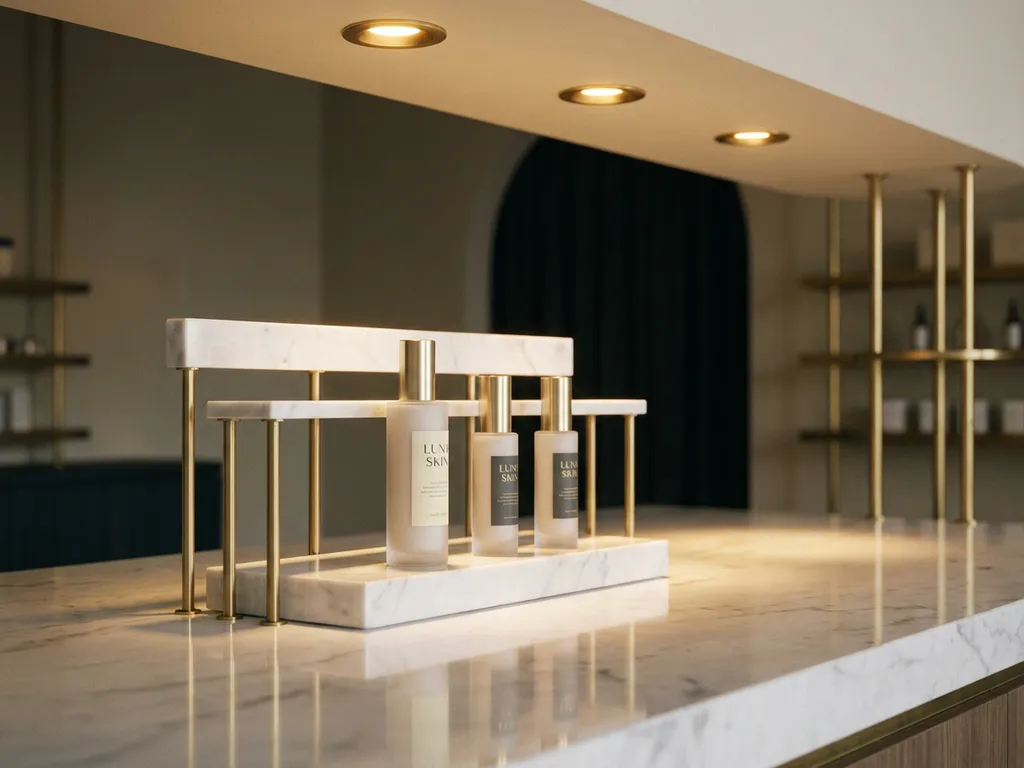
Retail display design is important for brands because it directly influences whether a shopper stops, engages, and converts at the point of purchase. A well-designed in-store display communicates brand identity, creates an emotional connection, and positions a product competitively within a crowded retail environment. The sections below address the specific questions brand owners and retail managers ask most frequently about retail display design and its commercial impact.
Retail display design influences purchase decisions by shaping the shopper's experience at the exact moment they are most receptive to buying. The physical environment around a product — its structure, materials, graphics, and placement — creates immediate impressions that either draw a shopper in or cause them to move past. In a retail setting, that first impression is often the only one a brand gets.
Shoppers rarely enter a store with a fixed decision for every item they purchase. A significant proportion of buying decisions are made in-store, which means the display itself functions as the final stage of the marketing funnel. An effective point of sale display removes hesitation by presenting the product clearly, reinforcing the brand's value proposition, and making the purchase feel like the logical next step.
The physical and tactile nature of in-store retail also activates sensory engagement that digital channels cannot replicate. When a display is designed to invite interaction — through material quality, lighting, or layout — it creates a moment of genuine connection between the shopper and the brand. That connection is what converts browsers into buyers.
An effective retail display design communicates the brand's identity instantly, positions the product correctly within its retail environment, and motivates the shopper to act. Effectiveness is not purely aesthetic — it is measured by whether the display drives engagement and conversion in context.
Several factors determine whether a display performs at the shelf or fixture:
Bespoke design, developed with a specific brief and retail environment in mind, consistently outperforms generic or off-the-shelf solutions because it addresses these factors in combination rather than in isolation.
Physical retail stores use a range of display types, each suited to different product categories, retail environments, and commercial objectives. The most common formats include permanent fixtures, temporary promotional displays, free-standing display units, counter displays, and point of sale displays positioned near the checkout or within high-traffic zones.
Permanent displays are built to last across seasons and are typically used for hero products or brand flagship ranges. They require higher investment but deliver long-term brand visibility in retail.
Temporary and promotional displays are deployed around product launches, seasonal campaigns, or retailer-specific promotions. These are designed to create urgency and stand out from the standard shelf environment without requiring permanent fixture changes.
Free-standing display units (FSDUs) are positioned in aisle ends, entrances, or high-footfall areas. They give brands a presence outside of their standard shelf allocation and are particularly effective for new product introductions.
Counter and point of sale displays capture attention at the final decision point — near tills or service counters — where impulse purchasing is most likely. These are compact by design but must work hard to communicate value quickly.
The right display type depends on the product, the retailer's layout, the campaign objective, and the budget. Many brands use a combination of formats across different retail environments to maximise brand visibility in retail.
In-store display design differs from digital marketing in that it operates in three-dimensional, physical space and engages shoppers through direct sensory experience rather than screen-based interaction. While digital marketing can reach audiences at scale and personalise messaging algorithmically, in-store display design creates moments of physical engagement that are immediate, tangible, and contextually placed at the point of purchase.
Digital marketing excels at building awareness and driving intent before a shopper reaches a store. In-store display design converts that intent into action. The two disciplines are most powerful when they work together — consistent brand identity across both channels reinforces recognition and trust at every stage of the shopper journey.
There are also structural differences in how each medium is measured and optimised. Digital campaigns generate real-time data on impressions, clicks, and conversions. In-store display performance is assessed through sales uplift, compliance audits, and shopper observation. Both are valid and necessary; neither replaces the other.
The physical retail environment also introduces constraints and opportunities that digital channels do not. Space, sight lines, retailer guidelines, and material durability all shape what is possible in-store. This is why retail POS design requires specialist expertise that is distinct from digital creative work.
Retail display design is one of the most direct mechanisms a brand has to differentiate itself at the shelf. In a retail environment where competing products sit within centimetres of one another, the quality, creativity, and distinctiveness of a display determine which brand captures attention first and holds it longest.
Differentiation through display operates at two levels. The first is visual — colour, form, scale, and graphic execution that make a brand immediately recognisable. The second is experiential — the way a display invites interaction, communicates product benefits, and creates a moment that feels distinct from the surrounding retail environment.
Brands that invest in bespoke in-store brand experience design consistently achieve stronger shelf presence than those relying on standard fixture solutions. This is particularly relevant in competitive categories such as beauty, health, and wellness, where product differentiation at the formula or packaging level may be marginal, and the display becomes the primary point of distinction.
Explore brand display projects to see how differentiated in-store design translates across sectors and retail environments.
Brands should approach sustainability in retail display design by treating material choice, display longevity, and end-of-life planning as integral parts of the design brief rather than afterthoughts. Sustainable retail display is not simply about using recycled materials — it encompasses how a display is manufactured, how long it remains in use, and what happens to it when it is decommissioned.
Key considerations for a sustainable approach include:
Sustainability in retail display design also carries commercial value. Retailers and shoppers increasingly scrutinise the environmental credentials of the brands they stock and support. A demonstrably sustainable approach to in-store display strengthens a brand's position with retail partners and resonates with environmentally conscious shoppers.
Pivotal is a full-service retail design partner that supports brands across the entire display lifecycle — from initial concept and CAD development through to manufacturing, installation, and ongoing compliance. For brand owners and marketing directors seeking a single, accountable partner for their in-store presence, Pivotal's end-to-end model removes the complexity of managing multiple suppliers across a project.
If you are planning a new product launch, refreshing existing fixtures, or seeking a more effective point of sale display strategy, speak to the Pivotal team to discuss your brief.