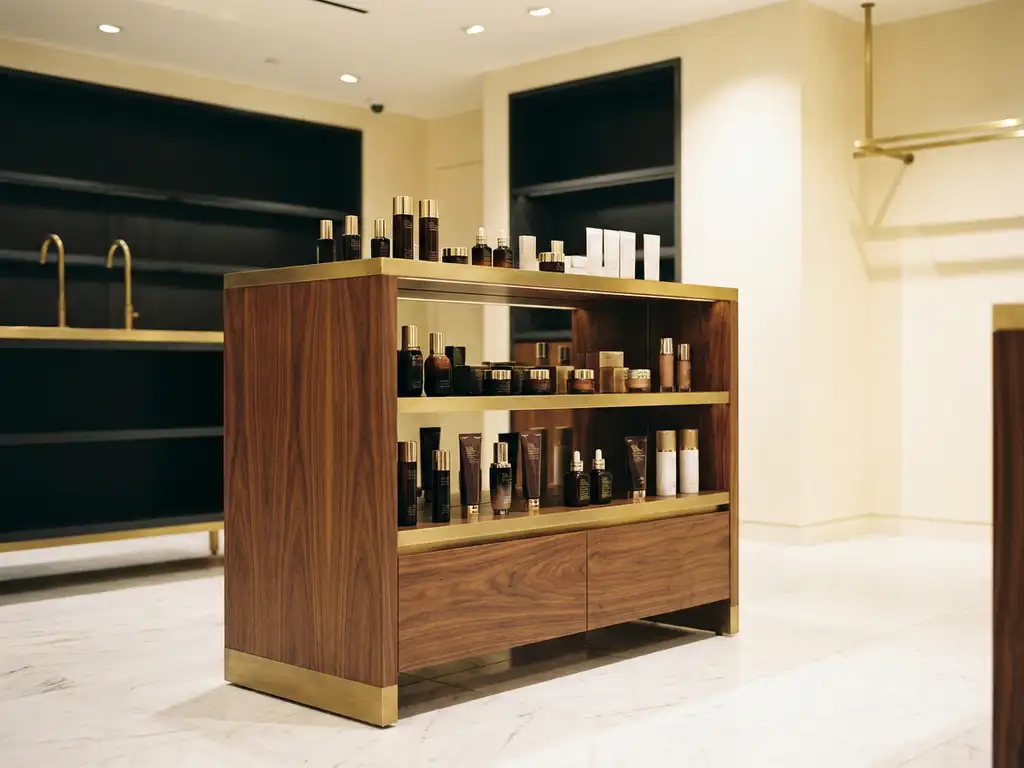
A bespoke display unit in retail is a custom-designed and manufactured fixture built specifically to meet a brand's individual requirements, rather than being selected from a catalogue of standard options. Unlike off-the-shelf alternatives, a bespoke retail display is engineered around a brand's identity, product dimensions, retail environment, and commercial objectives. The sections below address the most common questions brands ask when considering a custom display unit for the first time.
A bespoke display unit is designed and built from scratch to a specific brief, whereas a standard display unit is a pre-manufactured fixture selected from an existing range. The fundamental difference lies in ownership of the outcome: a custom display unit is shaped entirely by the brand's requirements, not constrained by what a manufacturer already produces.
Standard display units offer speed and lower upfront cost, but they compromise on fit. A generic retail display unit may not accommodate the precise dimensions of a product, may not reflect brand colours or materials, and will almost certainly be used by competitors in the same retail environment. This creates an immediate disadvantage at the point of purchase, where differentiation directly influences shopper behaviour.
A bespoke retail display, by contrast, is developed through a structured design and development process. It accounts for the specific retail format, whether that is a pharmacy, department store, or supermarket, the planogram requirements of the retailer, the weight and configuration of the product range, and the visual identity of the brand. The result is a POS display that functions precisely as intended and communicates the brand with clarity and consistency.
Bespoke display units are manufactured from a wide range of materials, selected based on the display's intended environment, lifespan, aesthetic requirements, and sustainability considerations. Common materials include acrylic, metal, wood, MDF, cardboard, and injection-moulded plastics, often used in combination within a single unit.
Acrylic is frequently specified for its clarity and premium appearance, particularly in beauty and cosmetics retail where product visibility is critical. Metal, including steel and aluminium, is used where structural strength and longevity are priorities, such as permanent in-store fixtures or freestanding display units in high-traffic locations. Joinery and woodwork deliver warmth and craftsmanship for lifestyle and fashion brands seeking a premium retail aesthetic.
For temporary or promotional in-store displays, corrugated cardboard and printed board materials offer a cost-effective, lightweight solution that can still be produced to a high visual standard. Sustainable material choices are increasingly central to the brief, with many brands now specifying recycled content, FSC-certified timber, or materials designed for disassembly and reuse at end of life. A capable bespoke display unit supplier will guide material selection based on the full context of the brief, not simply defaulting to the most familiar option.
Bespoke retail display units span a broad range of formats, each designed to serve a specific function within the store environment. The most common types include freestanding display units, countertop displays, wall-mounted fixtures, end-of-aisle units, and point of sale displays positioned at or near the checkout.
The appropriate format depends on the retail environment, the nature of the product, the campaign objectives, and the retailer's own guidelines. A well-designed bespoke display unit will be specified with all of these factors resolved before manufacture begins.
The timeline for a bespoke display unit typically ranges from four to sixteen weeks, depending on the complexity of the design, the materials specified, the volume required, and the approval process. Simple countertop units with straightforward graphics can be turned around more quickly, while complex freestanding fixtures with multiple components and structural engineering requirements will require longer lead times.
The process generally follows a defined sequence: briefing and concept development, CAD design and structural engineering, prototyping and client approval, production, and finally installation. Each stage requires sign-off before the next begins, and delays at the approval stage are the most common cause of extended timelines. Brands that engage a supplier early, with a clear brief and defined decision-making process, consistently achieve faster and more predictable outcomes.
Rapid prototyping capabilities can accelerate the development phase significantly. When a supplier can produce a physical prototype quickly for evaluation, design issues are identified and resolved before full production begins, reducing costly amendments later in the process. For brands working to campaign or product launch deadlines, this capability is not optional but essential.
The most important qualities in a bespoke display unit supplier are end-to-end capability, manufacturing expertise, and a demonstrable track record across relevant retail sectors. A supplier who manages design, manufacture, and installation under one roof eliminates the coordination risk that comes from working with multiple agencies across the same project.
Key criteria to evaluate include:
References and completed project examples are the most reliable indicator of a supplier's true capability. A strong portfolio across recognisable brands and diverse retail formats demonstrates that the supplier can deliver to the required standard.
Pivotal is a UK-based, full-service retail design company that manages the complete lifecycle of a bespoke display unit, from initial concept through to on-site installation. For brands seeking a single, accountable partner across the entire process, Pivotal's capabilities include:
In 2025, Pivotal installed over 2,000 new retail and brand experiences, with in-store engineers visiting a store every 34 minutes. That operational scale reflects a business built for consistent, high-volume delivery without compromising on quality or brand integrity. If you are planning a new retail display project and need a partner who can manage it from brief to installation, get in touch with the Pivotal team to discuss your requirements.