
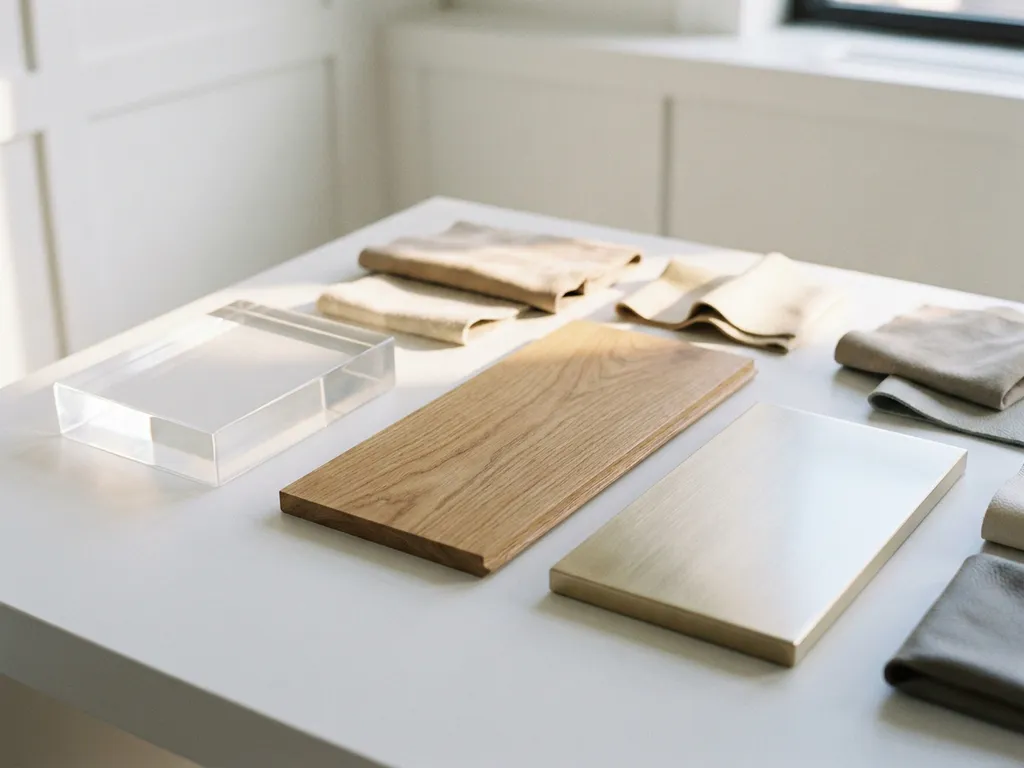
The right material for a retail display is determined by four core factors: the retail environment, the display's intended lifespan, the brand positioning it must communicate, and the sustainability requirements of the brief. No single material suits every application. The correct choice emerges from balancing structural performance, visual impact, cost, and end-of-life considerations against the specific demands of the project. The sections below address the most common questions brand owners and retail experience managers face when specifying display materials.
Material selection for a retail display should be driven by five primary factors: the duration of the display (temporary or permanent), the retail environment it will occupy, the brand tier it represents, the weight and volume of product it must support, and the sustainability commitments attached to the brief. Getting any one of these wrong results in displays that underperform, deteriorate prematurely, or misrepresent the brand.
Beyond these core factors, practical considerations such as lead time, budget, and the complexity of the installation process all feed into material specification. A display destined for a high-footfall pharmacy environment, for example, must withstand repeated shopper interaction and frequent restocking. A temporary promotional unit placed in a department store for a four-week campaign has an entirely different set of requirements. The material brief should always reflect the commercial context of the display, not just its aesthetic ambition.
Structural integrity is non-negotiable. A display that collapses, warps, or discolours within its intended lifespan creates a reputational problem for both the brand and the retailer. Material choice is therefore a risk management decision as much as a design one.
The most common materials used in retail displays are acrylic, wood and MDF, metal, cardboard and corrugated board, and injection-moulded plastics. Each material has a defined role in the display ecosystem, and most permanent fixtures combine two or more of these to balance aesthetics, strength, and cost.
In practice, the most effective in-store display materials are selected in combination. A permanent fixture might use a powder-coated metal frame, MDF shelving with a lacquered finish, and acrylic header panels - each material performing a specific function within the overall design.
Temporary display materials are designed for short campaign cycles, typically four to twelve weeks, and prioritise low cost, fast production, and ease of assembly. Permanent display materials are engineered for long-term use, often spanning one to five years or more, and must withstand sustained physical interaction, cleaning regimes, and restocking without degradation.
Corrugated board and lightweight printed substrates dominate the temporary POS category. These materials can be produced quickly, shipped flat, and assembled in-store by retail staff without specialist tools. Their environmental footprint, when sourced responsibly, can be managed through recyclability at the end of the campaign.
Permanent fixtures demand materials with structural resilience and surface durability. Retail display wood, metal frameworks, and acrylic components are the standard specification for long-term installations. The higher upfront material and manufacturing cost is offset by the extended service life and the stronger brand impression a well-constructed permanent fixture delivers.
The distinction matters commercially. Specifying permanent-grade materials for a temporary campaign inflates cost without delivering proportionate return. Conversely, using campaign-grade materials in a permanent fixture programme creates maintenance problems and accelerated replacement cycles that erode the original investment.
Premium retail displays are most effectively executed in acrylic, solid timber or high-grade veneered MDF, brushed or polished metal, and glass. These materials communicate quality through their tactile and visual properties, reinforcing the brand positioning of luxury, beauty, and premium lifestyle products at the point of purchase.
Retail display acrylic is particularly valued in the premium beauty and fragrance sector. Its clarity allows product to remain the focal point while the display structure recedes visually. When combined with edge polishing, laser engraving, or colour-tinting, acrylic delivers a finish that reads as genuinely high-end in a retail environment.
Joinery and woodwork bring warmth and craftsmanship to premium in-store fixtures. Brands in the lifestyle, fashion, and wellness sectors frequently specify timber veneers, lacquered MDF, or solid hardwood components to create an environment that feels considered and brand-consistent. The material itself signals investment and care, which directly influences shopper perception of the products displayed within it.
Metal finishing - anodised aluminium, brushed steel, or powder-coated frames - adds structural authority and a contemporary edge. For brands positioned at the intersection of performance and premium, metal components reinforce product credibility in a way that lower-grade materials cannot replicate.
The retail environment is one of the most decisive factors in material specification. A display installed in a pharmacy operates under different conditions than one placed in a department store, a supermarket, or a fashion boutique. Temperature, humidity, footfall intensity, lighting conditions, and the behaviour of shoppers in that environment all affect how a material performs over time.
High-humidity environments such as pharmacies and health and wellness retailers require materials that resist warping and surface degradation. Sealed MDF, powder-coated metal, and acrylic all perform reliably in these conditions. Untreated timber or low-grade board will deteriorate quickly and present a maintenance liability.
High-footfall environments demand materials with impact resistance and surfaces that can be cleaned repeatedly without losing their finish. Acrylic and metal are well-suited to these conditions. Wood-based materials are viable when properly sealed and finished, but require more careful specification to maintain appearance over a sustained period.
Lighting conditions also influence material choice. Retail environments with strong artificial lighting can expose surface imperfections in lower-grade materials. Acrylic, polished metal, and high-gloss laminates perform well under scrutiny. Matte finishes on MDF or timber can absorb light in a way that enhances the warmth of the fixture without drawing attention to minor surface variation.
Sustainability requirements are increasingly central to material selection for retail displays. Brands operating in the UK market face growing pressure from retailers, consumers, and internal ESG commitments to specify materials that are responsibly sourced, recyclable, or capable of being repurposed at end of life. This is reshaping how display briefs are written and how material decisions are made.
For temporary POS displays, FSC-certified corrugated board and recyclable substrates have become the baseline expectation. The ability to demonstrate a clear end-of-life recycling pathway is now a standard requirement in many retail briefs, particularly from major pharmacy and grocery chains.
For permanent fixtures, sustainability considerations centre on material longevity, responsible sourcing, and the potential for refurbishment rather than replacement. A well-specified permanent display that lasts five years generates significantly less material waste than a poorly specified one replaced every eighteen months. Timber from certified sustainable sources, recycled metal content, and acrylic panels that can be replaced independently of the structural frame all contribute to a more defensible environmental position.
Sustainability and quality are not in tension. In practice, the materials that perform best over time - solid timber, metal, quality acrylic - tend to align with more sustainable outcomes because their longevity reduces the frequency of replacement. The brief should treat sustainability as a design parameter from the outset, not a consideration applied retrospectively to a finished specification.
Pivotal is a UK-based, full-service retail design company that manages material selection as an integral part of the design and development process. Working across acrylic, joinery, metalwork, moulding, and woodwork, Pivotal's team translates each client's brief into a material specification that is structurally sound, brand-consistent, and commercially viable. Key capabilities include:
With over 2,000 retail and brand experiences installed in 2025 and in-store engineers visiting a new location every 34 minutes, Pivotal brings the operational scale and material expertise to deliver displays that perform in the real retail environment. To discuss your next display project and get expert guidance on retail display design, get in touch with the Pivotal team today.