
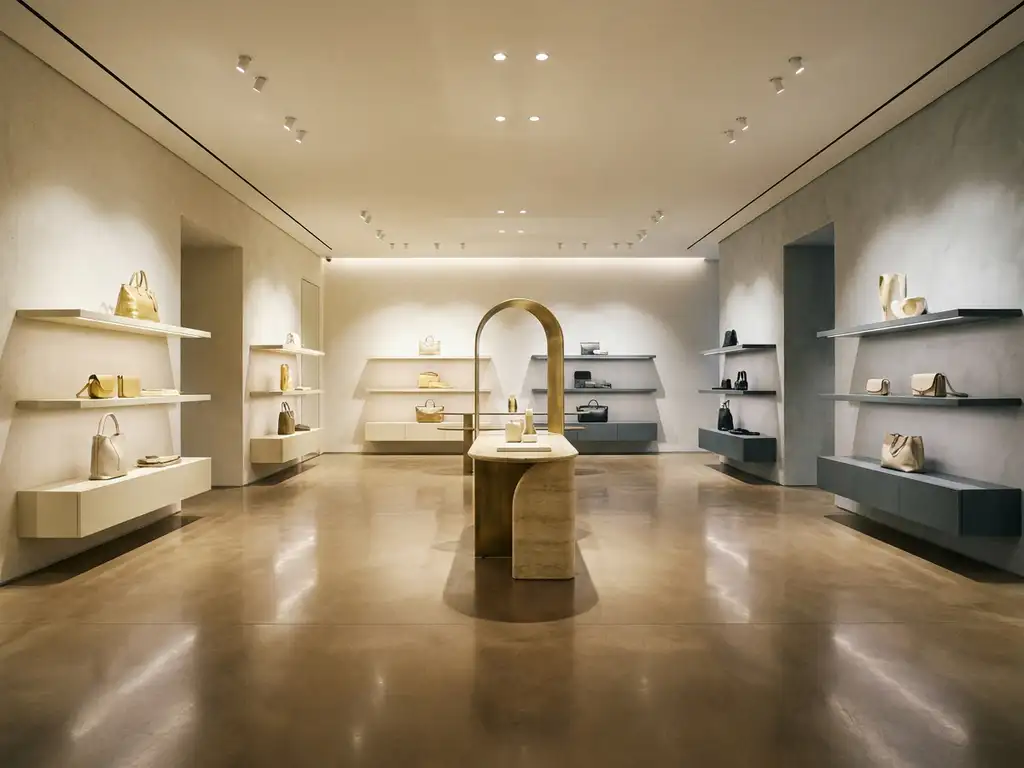
Retail display design in 2026 has changed significantly, driven by three converging forces: sustainability mandates, evolving shopper behaviour, and the integration of digital technology into physical environments. Brands operating in physical retail are under greater pressure than ever to deliver displays that perform commercially, align with environmental commitments, and adapt to increasingly fragmented store formats. The sections below address the most pressing questions shaping in-store display strategy this year.
The biggest trends driving retail display design in 2026 are sustainability-led material choices, the convergence of digital and physical display elements, and a sharper focus on shopper psychology at the point of purchase. Brands are moving away from generic, format-agnostic displays toward bespoke solutions that reflect both the retail environment and the shopper mindset specific to that channel.
Fixture longevity has become a strategic priority. Where brands once rotated temporary displays frequently for novelty, many are now investing in permanent or semi-permanent structures that can be updated modularly, reducing waste and installation costs over time. Alongside this, tactile material quality is being used to communicate brand values at a glance, with premium finishes in wood, metal, and acrylic signalling quality before a shopper picks up a single product.
Visual hierarchy within display units has also become more sophisticated. Brands are applying shopper insight data to inform shelf positioning, sightlines, and product sequencing within a fixture, rather than treating display design as a purely aesthetic exercise. The result is in-store display innovation that connects brand storytelling with measurable conversion outcomes.
Sustainability has fundamentally shifted material selection in retail display design, with brands actively replacing single-use plastics and virgin materials with responsibly sourced wood, recycled acrylic, and metal structures designed for disassembly and reuse. Environmental credentials are now a procurement requirement for many major retailers, not an optional consideration.
This shift has practical implications beyond material swaps. Display structures must now be engineered with end-of-life in mind, meaning modular construction, standardised fixings, and the ability to replace individual components without scrapping the entire unit. Joinery and woodwork that previously served a purely aesthetic function now carry structural and environmental value.
Brands working with experienced retail design partners are finding that sustainable material choices do not compromise visual impact. Responsibly sourced timber, powder-coated metalwork, and recycled acrylic can all deliver the premium finish that beauty, health, and lifestyle brands require, while meeting the environmental standards expected by retailers such as Boots and major pharmacy chains.
Technology in modern in-store displays primarily serves to enhance shopper engagement without replacing the tactile, physical experience that drives purchase decisions. Digital screens, sensor-triggered lighting, and QR-enabled content are being integrated into physical fixtures to extend the brand narrative and provide product information at the moment of consideration.
The most effective implementations treat technology as a supporting layer rather than the centrepiece. A well-designed permanent display with integrated digital content outperforms a purely digital screen because it combines physical product presence with dynamic messaging. Shoppers can interact with the product directly while accessing additional information, creating a richer decision-making environment.
It is worth noting that technology integration increases the complexity of display manufacturing and installation. Electrical routing, screen housing, and maintenance access must all be factored into the design at the CAD stage, not retrofitted after production. Brands that engage their retail display partner early in the process avoid costly redesigns and compliance issues at the point of installation.
Shopper behaviour in 2026 has shaped point of sale design by demanding greater clarity, speed of comprehension, and emotional resonance at the fixture. Shoppers are spending less time deliberating in-aisle, which means POS design must communicate brand value, product benefit, and a call to action within seconds of a shopper entering the fixture's sightline.
Research into shopper journeys consistently shows that physical engagement with a product or display increases purchase intent. This has reinforced the value of displays that invite touch, encourage trial, and create a sense of discovery. Brands in the beauty and wellness sectors in particular are investing in display formats that accommodate testers, samples, and interactive elements as standard.
Personalisation at scale is also influencing POS design. Retailers serving diverse shopper demographics are requesting display systems that can be configured differently by store format or location, without requiring entirely separate manufacturing runs. Modular display architecture addresses this directly, allowing brands to maintain a consistent visual identity while adapting to the specific requirements of each retail environment.
The key difference between permanent and temporary display strategies in 2026 is their purpose and investment horizon. Permanent displays are built for longevity, brand consistency, and high-traffic environments where ongoing shopper engagement justifies the capital investment. Temporary displays are designed for speed, flexibility, and promotional agility, typically supporting new product launches, seasonal campaigns, or trial placements.
Permanent fixtures are engineered to integrate with the retail environment over an extended period. They require robust materials, precise installation, and a design that can accommodate product range updates without full replacement. For brands with established retail partnerships, permanent displays deliver a stronger return on investment over time and reinforce brand equity through consistent physical presence.
Temporary displays prioritise rapid deployment and cost-efficiency. They are typically produced in higher volumes, designed for self-assembly or straightforward installation, and built to a shorter lifecycle. The trade-off is material quality and structural sophistication, though well-executed temporary POS can still deliver strong visual impact when the design brief is clear and production quality is maintained.
In 2026, the most commercially effective brands are not choosing one strategy over the other but deploying both in parallel, using permanent fixtures as brand anchors and temporary displays to drive promotional activity around them. This layered approach maximises in-store presence without duplicating investment.
Brands ensure retail display compliance across multiple store formats by building compliance requirements into the design and project management process from the outset, rather than addressing them at the installation stage. Each major retailer operates specific guidelines covering fixture dimensions, weight limits, fire safety, electrical standards, and brand presentation rules, all of which must be met before a display enters the store.
The challenge scales significantly when a brand is rolling out displays across pharmacy chains, department stores, and specialist retailers simultaneously. Each format carries different spatial constraints and retailer-specific approval processes. Brands that rely on a single retail design partner to manage compliance across all formats reduce the risk of costly rejections, delays, and remedial production runs.
Compliance is also an ongoing operational concern. Displays degrade, become non-compliant through store refits, or require updating as product ranges evolve. Brands with a structured maintenance and audit programme in place protect their in-store investment and maintain the standard of shopper experience that drives conversion. Pivotal's project portfolio demonstrates how end-to-end management, from design brief through to on-site installation and compliance sign-off, removes this burden from brand teams entirely.
Pivotal is a full-service retail design partner that manages every stage of the display lifecycle, from initial concept and CAD through to manufacturing, installation, and compliance. For brand owners and marketing directors operating across complex retail environments, this end-to-end capability removes the coordination burden and ensures consistent quality at every touchpoint.
Pivotal's in-store engineers visited a store every 34 minutes in 2025, reflecting the operational scale and reliability that brands require when rolling out displays across national retail networks. If you are reviewing your in-store display strategy for 2026, speak to the Pivotal team to discuss how a bespoke retail display solution can strengthen your brand's physical presence.