
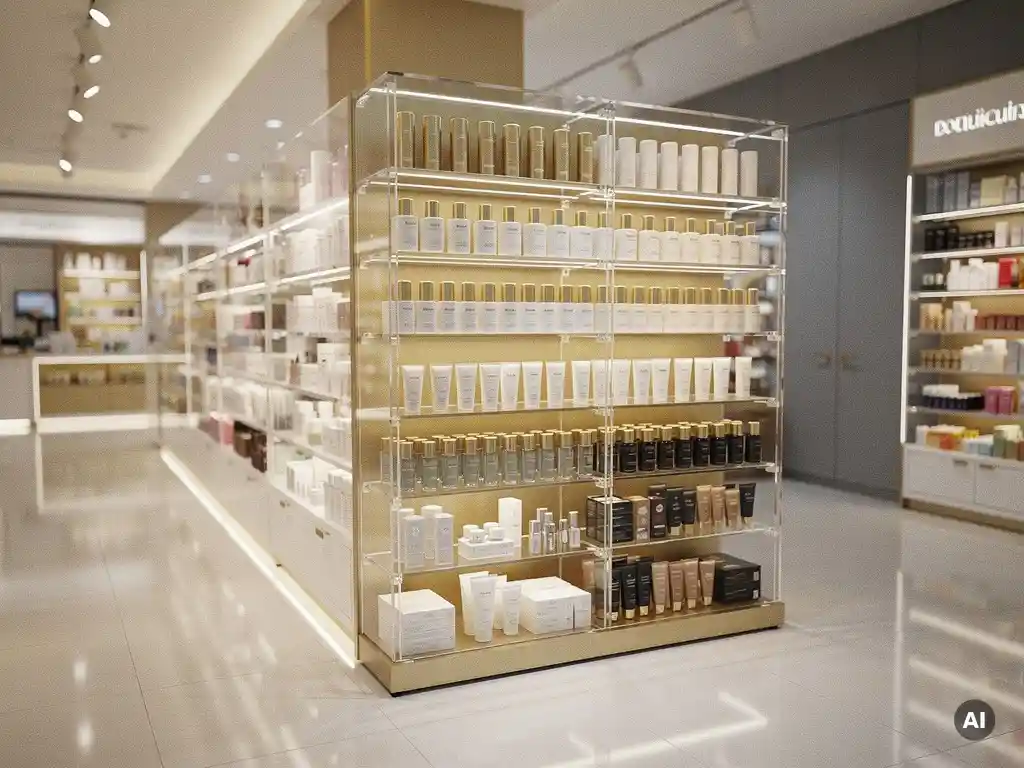
A semi-permanent POS display is a retail display unit designed to remain in store for a defined period, typically between three and twelve months, before being refreshed, relocated, or replaced. Unlike temporary displays built for a single promotional campaign, semi-permanent units are constructed to withstand sustained shopper interaction and retailer environments. The sections below address the most common questions brands ask when evaluating this display format.
A semi-permanent point of sale display is designed to remain in a retail environment for approximately three to twelve months, depending on the brand's campaign cycle, the retailer's floor plan commitments, and the materials used in construction. This duration distinguishes it clearly from both short-run promotional units and fixed, multi-year installations.
In practice, the lifespan of a semi-permanent retail display is often aligned with a product range refresh, a seasonal category review, or a new product launch window. A brand entering a pharmacy or department store for a six-month promotional period, for example, would typically commission a semi-permanent unit that can be installed, maintained, and then removed or updated at the end of that window without significant disruption to the retail environment.
Durability is a key design consideration. Because these units are expected to perform across weeks or months of continuous shopper contact, they must be engineered to maintain their structural integrity and visual quality throughout. A display that degrades visually within the first few weeks undermines brand perception at the point of purchase.
The three POS display types differ primarily in lifespan, construction quality, and strategic purpose. Temporary displays are built for short campaigns, typically days to a few weeks, using lightweight materials such as corrugated card. Semi-permanent displays are built for months, using more durable substrates. Permanent displays are fixed installations designed to last several years, often integrated into the store's shopfit.
Temporary in-store displays are designed for speed and economy. They support product launches, seasonal promotions, or event-driven activations where the display will be removed once the campaign ends. Construction materials are typically lightweight and low-cost, which makes them unsuitable for extended use but highly efficient for short-term, high-volume rollouts.
Permanent retail fixtures are built to last and are often incorporated into a retailer's store design. They require significant upfront investment and typically go through a more rigorous retailer approval process. Brands with a long-term, fixed presence in a category, such as a cosmetics brand with a dedicated counter in a department store, are the primary users of permanent display solutions.
Semi-permanent point of sale displays occupy the middle ground. They offer greater durability and visual quality than temporary units, without the capital commitment of a permanent installation. For brands operating in dynamic retail environments where product ranges, seasonal messaging, or retailer agreements change regularly, this format provides the best balance of impact and flexibility.
A brand should choose a semi-permanent display when it needs a high-quality, durable retail presence for a defined period, typically tied to a product launch, range extension, or promotional partnership, but does not have the retailer commitment or budget to justify a permanent installation. It is the right choice when quality and longevity matter, but flexibility is also required.
Specific scenarios where a semi-permanent in-store display is the most appropriate solution include:
The semi-permanent format is particularly well-suited to brands in beauty, health, and lifestyle sectors, where product ranges evolve frequently and retailer floor plans are reviewed on a seasonal or annual basis. It allows brand owners to maintain a premium in-store presence without locking into a fixed display structure that may become commercially or aesthetically obsolete.
Semi-permanent POS displays are typically made from materials that offer durability beyond corrugated card but remain practical to manufacture, transport, and install at scale. Common substrates include acrylic, MDF, Foamex, metal, and engineered wood composites. The specific material selection depends on the display's function, the retail environment, and the brand's aesthetic requirements.
Acrylic is widely used for its premium visual quality and resistance to wear, making it a strong choice for beauty and personal care brands seeking a clean, high-end finish. MDF and engineered wood offer structural stability and are frequently used in floor-standing units and shelving systems. Metal components, including steel frames and wire elements, add durability and are common in grocery and pharmacy environments where displays face high levels of shopper interaction.
Sustainability is an increasingly important consideration in material selection. Brands and retailers alike are scrutinising the environmental impact of display production, and responsible sourcing, recyclable substrates, and reduced material waste are now standard expectations rather than optional extras. Selecting materials that can be responsibly disposed of or repurposed at the end of the display's life is a practical and commercially relevant consideration for any brand commissioning a semi-permanent retail display in 2026.
Retailer approval for a semi-permanent display typically involves a structured review process in which the brand or its display partner submits detailed design specifications, physical samples or prototypes, and compliance documentation for assessment by the retailer's space planning, category management, or store operations team. Approval criteria vary by retailer but consistently cover dimensions, fixings, safety, and brand guidelines.
The approval process generally progresses through several stages:
Working with a display partner whose installation teams are already retailer-approved significantly reduces friction in this process. Familiarity with a retailer's specific compliance requirements, store formats, and operational procedures accelerates approval timelines and reduces the risk of costly revisions late in the project.
An effective semi-permanent point of sale display drives in-store sales by combining clear brand communication, logical product organisation, and a physical presence that commands attention at the point of purchase. Effectiveness is not determined by size or spend alone, it is the result of deliberate design decisions that align the display's form and function with how shoppers actually navigate and engage with a category.
The factors that most consistently determine display performance include:
Shopper insight is a valuable input at the design stage. Understanding how a target shopper moves through a category, what triggers engagement, and what creates hesitation allows display designers to make evidence-based decisions rather than aesthetic ones. Brands that invest in this understanding before committing to production consistently achieve stronger in-store results.
Pivotal is a UK-based, full-service retail design company that manages the entire semi-permanent display lifecycle, from initial concept and CAD through to manufacturing, retailer approval, and on-site installation. Brands working with Pivotal benefit from a single, accountable partner across every stage of the project.
For brand owners and marketing directors evaluating their next semi-permanent display programme, Pivotal offers the end-to-end capability and sector expertise to bring that programme to life with precision and pace. Contact the Pivotal team to discuss your retail display requirements.