
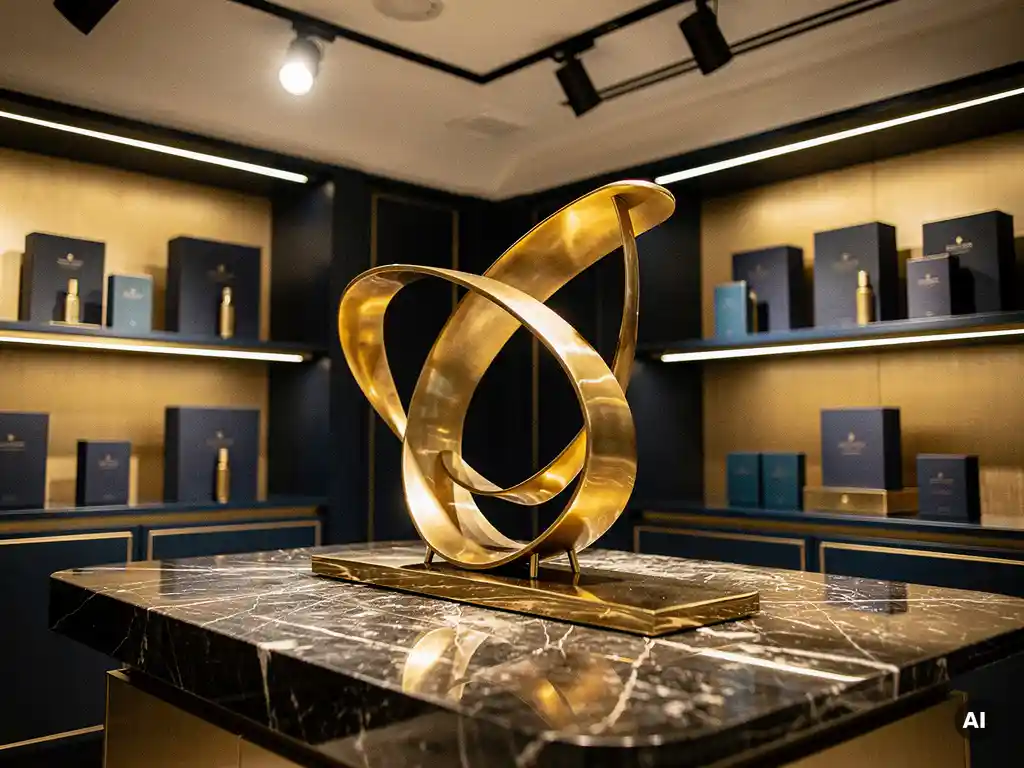
Physical retail plays a central role in brand building by creating direct, sensory connections between brands and shoppers that digital channels cannot replicate. A well-executed store environment communicates brand values, builds emotional loyalty, and drives purchase decisions in ways that go far beyond a product listing or online advertisement. The questions below unpack the specific mechanisms through which physical retail strengthens brand identity and long-term commercial performance.
Physical retail creates emotional connections by engaging multiple senses simultaneously, sight, touch, smell, and sound, producing experiences that form lasting brand memories. Unlike digital interactions, an in-store visit is inherently human and social, allowing shoppers to interact with products and environments in ways that generate genuine emotional responses and deepen brand affinity.
Emotion is a primary driver of purchasing behaviour. When a shopper handles a product, encounters a compelling display, or receives attentive service in a well-designed environment, the resulting experience is encoded as a memory associated with that brand. This memory effect is cumulative: repeated positive in-store encounters build a reservoir of goodwill that influences future purchase decisions, both in-store and online.
The physical environment also signals brand intent. A thoughtfully designed space communicates that a brand invests in its relationship with shoppers, which builds trust. Brands that treat their retail presence as a strategic asset rather than a transactional necessity consistently outperform those that do not in measures of customer loyalty and repeat visits.
A physical store offers brand-building advantages that e-commerce structurally cannot match: tangible product interaction, immersive storytelling environments, immediate gratification, and human service. These elements combine to create a brand experience with depth and memorability that a screen-based interaction rarely achieves at the same intensity.
E-commerce excels at convenience and reach, but it compresses brand experience into a two-dimensional interface. A physical store, by contrast, gives a brand full control over atmosphere, pacing, and sensory cues. Lighting, spatial layout, material choices, and staff behaviour all contribute to a coherent brand narrative that shoppers absorb without necessarily being aware of it.
Physical retail also enables spontaneous discovery. Shoppers encounter products they were not actively searching for, and in the right environment, those encounters convert into purchases and brand introductions. This serendipity is difficult to engineer online, where algorithmic curation tends to reinforce existing preferences rather than expand them. For brands seeking to grow their audience, the physical store remains one of the most effective acquisition environments available.
Store design directly shapes brand perception by translating abstract brand values into tangible, spatial experiences. Every design decision, material selection, fixture style, colour palette, traffic flow, and display hierarchy, communicates something about who the brand is and what it stands for. Shoppers form brand impressions within seconds of entering a space, and those impressions are difficult to reverse.
Consistency between a brand's visual identity and its physical environment is critical. A premium brand that invests in high-quality materials, considered lighting, and refined display solutions signals quality before a product is even touched. Conversely, a mismatch between brand promise and in-store execution erodes credibility and undermines the investment made in other marketing channels.
Effective retail display design does more than present products, it curates a shopper journey that reinforces brand positioning at every touchpoint. The placement of hero products, the use of negative space, and the integration of brand messaging within fixtures all contribute to a coherent narrative that elevates brand perception and supports premium pricing.
The retail sectors that benefit most from physical brand experiences are those where product interaction, emotional engagement, or expert guidance materially influences purchase decisions. Beauty and personal care, fashion, consumer electronics, luxury goods, and health and pharmacy consistently demonstrate the strongest return on in-store brand investment.
In beauty and skincare, for example, the ability to test textures, receive personalised consultations, and see products presented within a coherent brand environment is central to the purchase journey. Brands such as Eucerin and Avène, which operate within pharmacy and specialist retail environments, rely on well-designed display solutions to communicate clinical credibility and guide shoppers through complex product ranges.
Luxury and premium lifestyle brands similarly depend on physical environments to justify positioning. The tactile and spatial qualities of a luxury retail space are inseparable from the brand experience itself. Fashion, homewares, and experiential food and beverage retail also benefit significantly, as these categories invite shoppers to imagine themselves within a lifestyle that the physical environment brings to life in ways a product image cannot.
Brands can measure the impact of in-store brand experiences through a combination of commercial metrics, shopper behaviour data, and qualitative research. The most reliable indicators include conversion rate changes, average transaction value, dwell time near specific fixtures, repeat visit frequency, and post-installation sales uplift compared to a control period or location.
Foot traffic analytics provide a foundational layer of measurement, revealing how shoppers move through a space, which areas attract attention, and where engagement drops off. When overlaid with sales data, this intelligence identifies which display configurations and brand environments drive commercial outcomes and which require refinement.
Shopper intercept research and post-visit surveys add qualitative depth, capturing brand recall, emotional response, and purchase intent. For brands running time-limited promotional displays or seasonal campaigns, pre- and post-campaign measurement is particularly valuable in demonstrating return on investment. The discipline of measurement also enables continuous improvement: brands that treat each installation as a learning opportunity build a body of evidence that sharpens future in-store brand strategy.
Sustainability has become a substantive component of physical retail brand building because shoppers and retail partners increasingly evaluate brands on their environmental commitments as well as their products. A retail environment that demonstrates responsible material choices, reduced waste, and longevity in its fixtures communicates that a brand's values extend beyond marketing into operational practice.
For brand owners, sustainable retail design is both a reputational asset and a commercial consideration. Retailers with strong sustainability policies are increasingly selective about the brands and display solutions they accept into their environments. Brands that invest in durable, responsibly sourced fixtures and displays are better positioned to secure prominent placement and long-term retail partnerships.
Sustainable in-store brand experiences also tend to be more considered in their design. The discipline of reducing material waste encourages a focus on longevity, modularity, and adaptability, qualities that improve the overall quality of the retail environment and reduce the total cost of ownership over time. Brands that approach sustainability as a design principle rather than a compliance requirement consistently produce more compelling and commercially durable physical retail experiences.
Pivotal is a full-service retail design partner that translates brand strategy into physical in-store experiences, from initial concept through to manufacture and installation. For brands seeking to strengthen their retail presence, Pivotal offers:
Brands that invest in physical retail deserve a manufacturing and design partner with the capability to deliver at the standard their brand demands. Contact Pivotal to discuss how a bespoke in-store solution can strengthen your retail brand strategy.
Budget allocation varies significantly by sector, retail footprint, and the complexity of the installation, but a useful starting point is to treat in-store design as a brand investment rather than a line-item cost. Premium and luxury brands typically allocate a higher proportion of their retail marketing budget to physical environments because the return, measured in conversion uplift, average transaction value, and brand equity, justifies the spend. Working with a full-service partner like Pivotal allows brands to scope projects accurately from the outset, avoiding costly redesigns or underperforming installations that result from under-investment at the brief stage.
The most common mistakes include prioritising visual impact over shopper functionality, creating displays that look impressive in renders but disrupt traffic flow or obscure product accessibility in practice. Brands also frequently underestimate the importance of consistency, allowing a mismatch to develop between their digital brand identity and their physical retail environment. A third recurring error is designing for a single retail format without considering how the solution will perform across different store sizes, lighting conditions, and retailer guidelines, which limits scalability and increases long-term costs.
The timeline from initial brief to completed installation depends on the complexity of the design, the number of units required, and the retailer's own scheduling constraints, but most bespoke display projects run between 8 and 16 weeks from approved concept to first installation. Prototyping and retailer sign-off are often the stages that introduce the most variability, so brands that engage their retail partners early in the design process tend to move faster. Working with a manufacturer that handles design, production, and installation in-house, as Pivotal does, significantly reduces handover delays and keeps timelines predictable.
Physical retail design is not exclusively the domain of large brands, and in many respects emerging brands have more to gain from a well-executed in-store presence because it accelerates credibility and consumer trust at a stage when brand recognition is still being established. A thoughtfully designed display in the right retail environment can position an emerging brand alongside established competitors and shift shopper perception immediately. Modular and scalable display solutions make it possible for smaller brands to invest proportionally and expand their in-store footprint as their retail partnerships grow.
Retailer compliance requirements cover dimensions, materials, fixings, safety standards, and sometimes sustainability credentials, and these vary considerably between retail partners and even between store formats within the same chain. The most reliable approach is to involve your retail design partner in direct dialogue with the retailer's category or shopper marketing team from the earliest stage of the project, rather than retrofitting compliance at the end of the design process. Experienced retail design manufacturers maintain up-to-date knowledge of major retailers' guidelines and can flag potential conflicts before they become costly problems.
Permanent fixtures are long-term branded installations, typically used for core product ranges where the brand holds a fixed space within a retailer, and are designed for durability, longevity, and consistent brand representation over months or years. Temporary displays, by contrast, are used for product launches, seasonal promotions, or trial campaigns, and prioritise speed to market, cost efficiency, and visual impact within a defined window. Many brands use a combination of both: a permanent fixture anchors the brand's core presence while temporary point-of-sale elements layer in campaign messaging and drive incremental attention around key trading periods.
Maintaining brand consistency across diverse retail environments requires a clearly documented set of brand standards that cover spatial identity, material finishes, colour specifications, typography, and display hierarchy, all adapted into a modular design system flexible enough to work across different store formats and retailer requirements. Centralising production with a single manufacturing partner ensures that material quality, finish standards, and dimensional accuracy remain consistent regardless of volume or geography. Regular in-store auditing, whether through your own field teams or your design partner's engineers, is equally important for identifying and correcting drift in display presentation before it undermines the brand experience.