
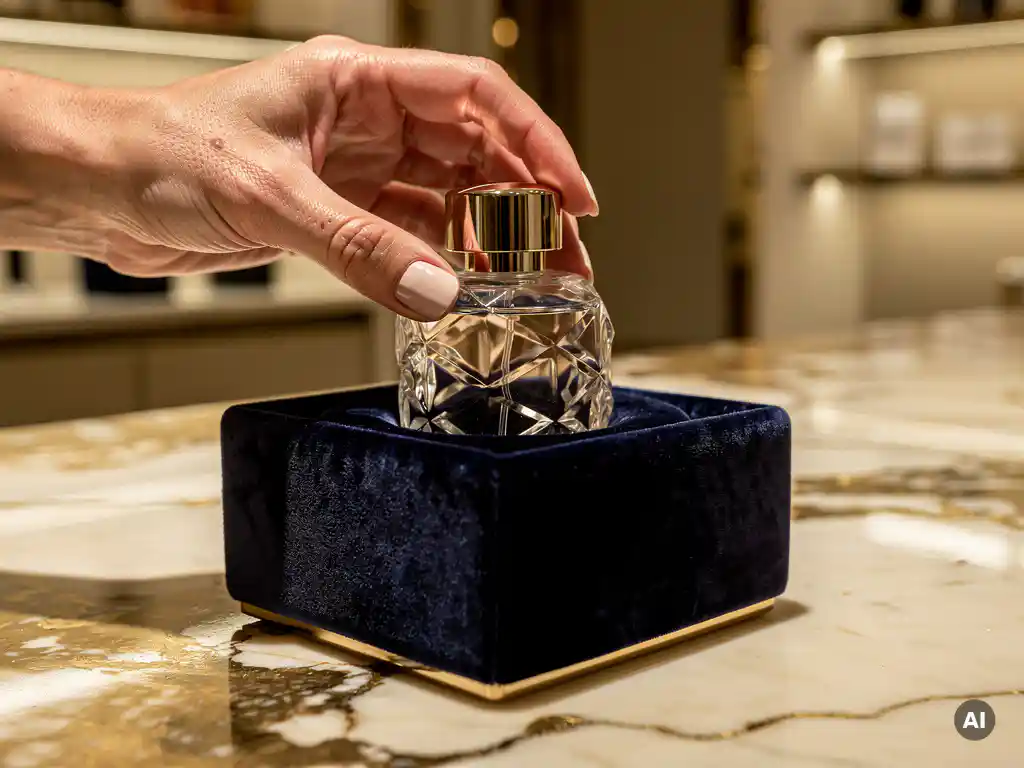
Shoppers trust brands more after a physical experience because direct, sensory engagement creates a level of confidence that digital channels cannot replicate. When a shopper touches a product, navigates a thoughtfully designed space, and interacts with a brand on their own terms, the resulting impression is deeper, more emotionally resonant, and more durable than anything a screen can deliver. The sections below unpack exactly why this happens and what it means for brands investing in physical retail.
Physical retail builds trust faster than digital because it removes uncertainty. A shopper who can see, touch, smell, and contextualise a product in a real environment has no need to fill information gaps with assumptions. Every sensory confirmation the store provides is a micro-moment of trust, and those moments accumulate rapidly during a single visit in a way that scrolling through product pages simply cannot match.
Digital retail is inherently abstract. Shoppers must rely on photography, copywriting, and reviews to form a picture of something they have never encountered directly. That process requires effort and introduces doubt. Physical retail collapses that distance entirely. The product is present, the brand environment is immediate, and the experience is unmediated by a screen or an algorithm.
There is also a social dimension to consider. Physical stores are shared spaces. Seeing other shoppers engage with a brand, observing how staff interact with products, and being present in a curated environment all contribute to a sense of social proof that digital channels struggle to manufacture authentically. Trust, in this context, is not just built between the shopper and the brand. It is reinforced by the environment and the people within it.
Touching and handling a product significantly increases a shopper's perceived ownership and product valuation. When a shopper physically engages with an item, the brain begins to process it as something already within their possession. This psychological effect, known as the endowment effect, means that the product feels more valuable simply because it has been held. That shift in perception directly accelerates purchasing decisions and strengthens brand association.
Beyond psychology, tactile engagement provides information that no image or description can convey. The weight of a skincare jar, the texture of a fabric, the resistance of a button, these qualities communicate quality, craftsmanship, and brand values in seconds. Brands that invest in premium materials and finishes are rewarded in the moment a shopper picks up their product, because the physical object becomes a proof point for everything the brand claims about itself.
This is why retail display design is not a secondary consideration. The way a product is presented, at what height, in what context, and with what surrounding materials, determines whether a shopper reaches for it at all. A display that invites interaction is a display that creates trust.
In-store design is a direct signal of brand credibility. The quality, coherence, and intentionality of a retail environment communicate to shoppers that a brand takes itself seriously. A poorly designed space undermines product quality regardless of what the product actually delivers. Conversely, a well-executed retail environment elevates brand perception before a single item is picked up.
Shoppers read environments instinctively. Lighting, material quality, spatial flow, fixture design, and graphic execution all contribute to an immediate, largely subconscious assessment of whether a brand is trustworthy. That assessment happens within seconds of entering a space or approaching a display, and it frames everything that follows. Brands that invest in coherent, high-quality in-store environments are, in effect, investing in the credibility of every product they sell.
Consistency is equally important. When in-store design aligns with the brand's wider identity, from packaging to digital presence, it reinforces the sense that the brand is organised, intentional, and reliable. Inconsistency, on the other hand, creates cognitive dissonance. Shoppers notice when a premium brand is presented in a generic or neglected retail context, and that gap erodes confidence in the brand itself.
Shoppers remember brands better after an in-store visit because physical experiences engage multiple senses simultaneously, which strengthens memory encoding. When sight, touch, sound, and sometimes scent are all activated together, the brain forms richer, more layered memories than those created by single-channel digital interactions. A brand experienced in three dimensions is simply harder to forget than one encountered on a screen.
Emotional engagement amplifies this effect. Retail environments that create a sense of discovery, delight, or aspiration generate emotional responses, and emotional experiences are encoded more durably in long-term memory. This is why brands that invest in distinctive, immersive in-store environments consistently outperform those that treat the store as a functional transaction point. The experience itself becomes the brand memory.
There is also a narrative dimension. An in-store visit has a beginning, a middle, and an end. The shopper moves through space, makes decisions, and leaves with an impression shaped by the entire journey. That narrative structure is inherently more memorable than a session of passive scrolling. Brands that design their in-store environments with intentional storytelling at every touchpoint give shoppers a coherent, memorable brand story to carry with them.
Retailers can maximise shopper trust through physical space design by prioritising clarity, quality, and sensory engagement at every touchpoint. Shoppers trust environments that feel considered and coherent. The key design principles that drive trust are legibility of layout, quality of materials, consistency of brand identity, and the deliberate invitation of product interaction.
The most effective retail environments are not designed around aesthetics alone. They are engineered around shopper behaviour, with every decision serving the goal of reducing friction, building confidence, and deepening brand connection.
Pivotal is a full-service retail design partner that translates brand strategy into physical in-store experiences designed to earn shopper trust at every touchpoint. For brands looking to strengthen their in-store presence, Pivotal offers:
If your brand is ready to invest in physical retail experiences that build lasting shopper trust, contact Pivotal today to discuss your next in-store project.
Budget varies significantly depending on the scale, materials, and complexity of the display — but the more useful framing is return on investment rather than upfront cost. A well-designed bespoke display that drives measurable increases in product interaction and conversion will consistently outperform a cheaper, generic solution. Working with a full-service retail design partner like Pivotal allows brands to scope projects efficiently, avoiding costly redesigns or poor material choices that inflate the total spend without improving outcomes.
The most common mistake is prioritising aesthetics over shopper behaviour — creating a visually impressive space that is difficult to navigate or that discourages product interaction. Other frequent errors include inconsistency between in-store design and the wider brand identity, overcrowding displays to maximise product range at the expense of clarity, and neglecting sensory details like lighting temperature and acoustic environment. Each of these undermines the trust-building potential of the physical space before a shopper has even engaged with a product.
Key indicators include product interaction rates (how often shoppers pick up or engage with a product), dwell time at a fixture, and conversion rates from browse to purchase. If shoppers are bypassing displays, spending minimal time at a fixture, or frequently asking staff for product information that should be self-evident from the display context, these are signals that the design is creating friction rather than confidence. Qualitative feedback from in-store staff and structured shopper observation sessions can also surface trust barriers that sales data alone won't reveal.
Absolutely — and increasingly, digitally native brands are using physical retail activations precisely because of the trust advantage they offer. Pop-up stores, shop-in-shop concessions, and event-based retail experiences allow online-first brands to give shoppers a direct, sensory encounter with their products that no digital channel can replicate. Even a single, well-executed physical touchpoint can significantly strengthen brand credibility and drive long-term loyalty among customers who would otherwise only ever interact with the brand through a screen.
Alignment between in-store design and campaign timing is critical for maximising impact. A product launch supported by a dedicated, campaign-coherent display creates a unified brand moment that reinforces messaging across every channel simultaneously. Misalignment — for example, running a premium campaign digitally while the in-store presentation remains generic or outdated — creates cognitive dissonance that weakens both the campaign and the brand's overall credibility. Planning in-store display development in parallel with campaign timelines, rather than as an afterthought, is one of the highest-leverage decisions a brand can make.
Products where tactile or sensory qualities are central to the purchase decision benefit most — this includes skincare, fragrance, food and beverage, fashion, homeware, and consumer electronics. However, almost any product category gains trust advantages from a well-designed physical presence, because the in-store environment signals brand credibility independently of the product itself. Even commodity or familiar product categories can differentiate meaningfully through distinctive display design that communicates quality, values, and brand personality at the point of decision.
Timelines depend on the complexity of the project, but a full bespoke display — from initial concept through to on-site installation — typically takes between 8 and 16 weeks for well-scoped briefs. Factors that affect the timeline include material selection, manufacturing complexity, the number of retail locations being fitted, and the level of brand approval stages required. Engaging a retail design partner early in the planning process, ideally before campaign or launch dates are locked, gives the most flexibility and reduces the risk of compromised outcomes due to compressed timelines.