
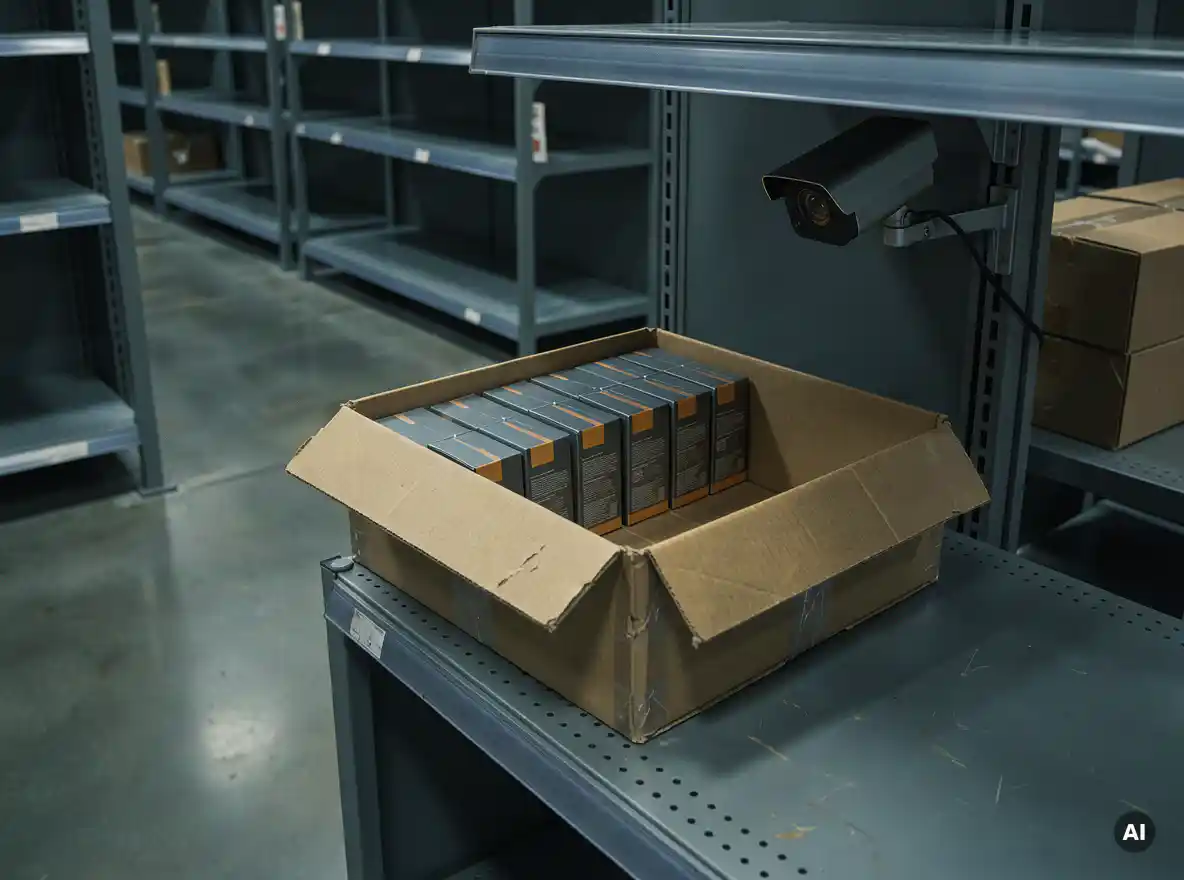
Employee theft in retail typically shows through a combination of behavioural changes, unexplained stock variances, and irregular till activity. Individually, each signal may have an innocent explanation. Together, a consistent pattern points to internal loss. Understanding these indicators allows retailers and brand owners to strengthen retail loss prevention before shrinkage erodes margin. The sections below set out the key warning signs and the practical steps that follow.
The most reliable behavioural red flags are reluctance to take leave, unusual interest in other employees' tasks, resistance to procedural change, and lifestyle spending that exceeds a known salary. No single behaviour proves theft, but repeated patterns warrant closer review.
Managers should watch for the following indicators:
Morale also matters. Research and industry experience suggest that disengaged or aggrieved employees present a higher internal risk, so a sharp change in attitude merits attention alongside the behaviours above.
Stock and till anomalies that point to internal theft include recurring cash shortages on the same shift, high volumes of voids and refunds, unexplained inventory variances in specific categories, and repeated discounts applied by one operator. Data patterns tied to individuals or shifts are more indicative than isolated errors.
Point-of-sale data is often the earliest source of evidence. Review exception reports for the following:
Physical stock offers a second layer of evidence. Warning signs include shrinkage concentrated in small, high-value, easily concealed lines, discrepancies between delivery notes and goods received, damaged or written-off stock that cannot be located, and gaps that appear in stockrooms rather than on the shop floor. Loss that clusters around specific delivery days or staff rotas deserves investigation.
Employee theft is distinguished from shoplifting and administrative error by pattern and location. External theft generally occurs on the shop floor, in line with footfall, and appears on CCTV. Internal theft tracks to specific staff, shifts, or back-of-house areas, while administrative error tends to be random, correctable, and unrelated to any individual.
Retailers can apply three tests:
Maintaining accurate delivery records, scheduled cycle counts, and clear user-level transaction logs makes these distinctions far easier to establish.
When theft is suspected, a retailer should preserve evidence, limit the number of people informed, and follow a documented process before taking any action. Confronting an employee without proof creates legal and reputational risk. A structured, confidential approach protects both the business and the individual.
The recommended sequence is as follows:
Afterwards, review the control that failed. Every confirmed incident should inform changes to procedure, access, and the physical environment.
Store design reduces internal theft by limiting unsupervised access, improving sightlines, and making high-value stock harder to remove unnoticed. Well-specified fixtures, secure back-of-house storage, and deliberate placement of displays support retail loss prevention by deterring opportunity rather than relying on detection alone.
Practical design measures include:
Ongoing upkeep matters as much as the original specification, because a fixture that is poorly maintained quickly loses its protective value.
Pivotal designs, manufactures, installs, and maintains in-store fixtures and displays that support secure, accountable retail environments. As a full-service UK retail design partner, Pivotal manages the entire project lifecycle through its own employed fitters, which removes the coordination gaps between multiple agencies where control often fails.
To discuss fixtures and displays that protect your stock while strengthening brand presence, contact Pivotal today and speak with a specialist about your next in-store project.