
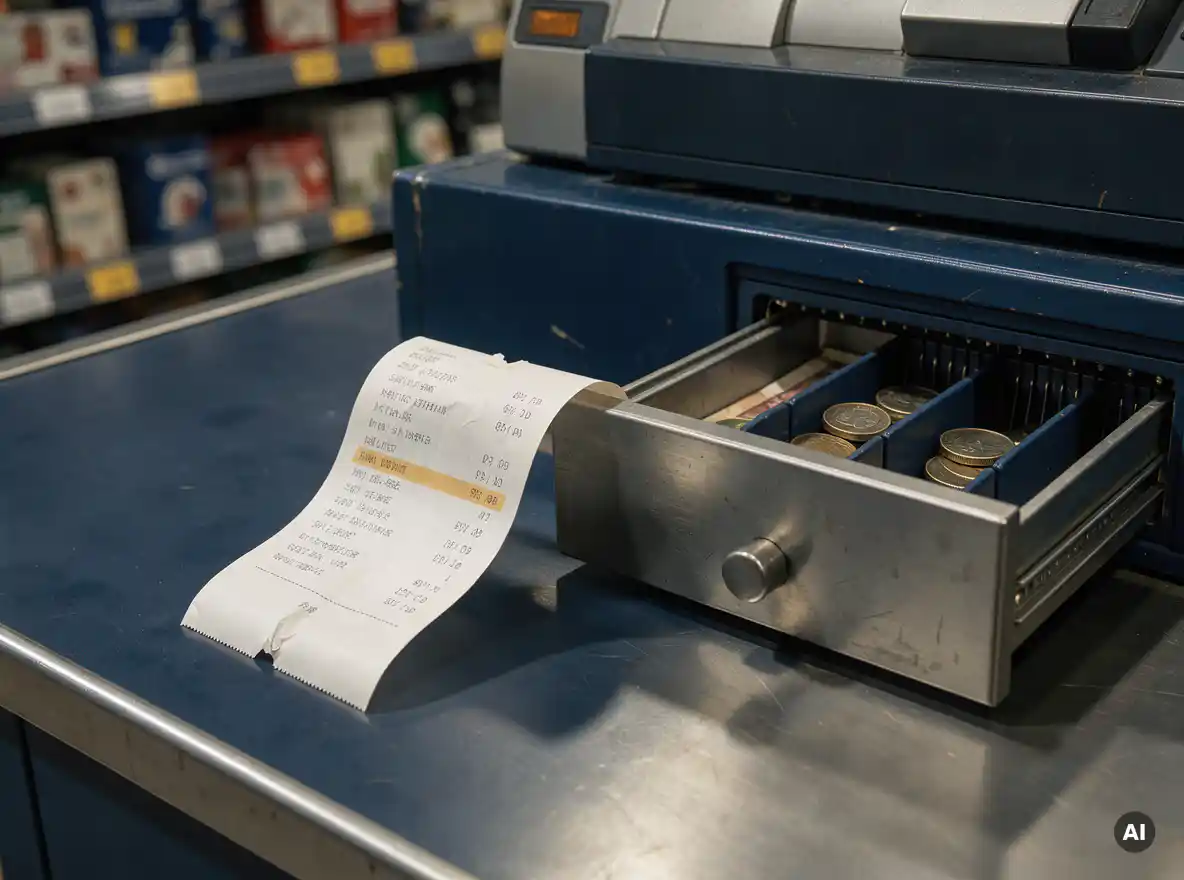
POS exception reports reveal cashier fraud by isolating transactions that deviate from normal till behaviour, such as excessive voids, refunds, discounts, no-sale openings and manual overrides. When these events cluster around a single cashier, shift or tender type, they expose patterns that manual oversight misses. Used consistently, exception reporting is a cornerstone of retail loss prevention and a deterrent in its own right. The sections below explain which exceptions matter, how to separate fraud from error, and how to act on flagged data.
The exceptions most associated with cashier fraud are post-sale voids, unlinked refunds, excessive discounts, no-sale drawer openings, manual price overrides and sweethearting patterns. Each represents a point where a cashier can alter the transaction record without a corresponding exchange of goods or funds.
The most common indicators include:
Individually, any of these may be innocent. The signal emerges when several appear together or recur for the same operator.
Exception reports separate fraud from honest mistakes by revealing frequency, pattern and context rather than single events. Isolated errors occur randomly across staff and shifts. Fraud repeats, clusters around specific operators, times or tender types, and often follows a consistent method.
Several analytical lenses make this distinction reliable:
Context protects both the business and its employees. Reports identify where to look. They do not, on their own, establish intent.
Alert thresholds should be set relative to each store's normal trading baseline, not as arbitrary universal figures. Effective thresholds combine transaction counts, percentages of sales, monetary values and time-based rules, then flag any operator who materially exceeds the store or peer average.
Practical principles for setting thresholds:
Thresholds set too tightly generate alert fatigue, and thresholds set too loosely allow losses to continue. Calibration is an ongoing discipline, not a one-off configuration.
Investigating a flagged transaction starts with verifying the data, then corroborating it with independent evidence such as CCTV, stock records and till reconciliation, and finally conducting a fair, documented conversation with the employee. A rigorous process protects the business legally and preserves staff trust.
Begin by confirming that the exception is genuine and not a system or configuration fault. Retrieve the full transaction record, including operator ID, timestamp, tender type and any supervisor override. Cross-reference with CCTV footage, cash office reconciliation and stock movement to confirm whether goods or money changed hands as the record suggests.
A single anomaly rarely justifies formal action. Review the operator's wider history across several weeks to determine whether the event is isolated or part of a repeated method. Document each finding with dates, values and sources so that the evidence stands up to scrutiny.
When evidence supports a concern, follow your internal disciplinary procedure and involve HR or loss prevention specialists. Maintain confidentiality throughout, and avoid accusations until the facts are established.
Yes. Exception reports prevent cashier fraud by acting as a visible deterrent, closing control gaps and enabling early intervention. When staff know that voids, refunds and overrides are monitored and reviewed routinely, the perceived risk of detection rises and opportunistic fraud falls.
Prevention depends on how the reports are used:
Reporting is strongest when combined with sound store design and consistent management attention, because technology identifies risk while the environment and culture reduce the opportunity for it.
Pivotal supports retail loss prevention by shaping the physical environment in which transactions take place. Exception reports show where losses occur, and well-designed fixtures, till points and displays reduce the opportunity for them. As a full-service retail design partner, Pivotal manages the process from concept through to installation and ongoing care.
To strengthen both the data and the physical controls that protect your margins, contact Pivotal today and discuss a retail environment designed to perform.