
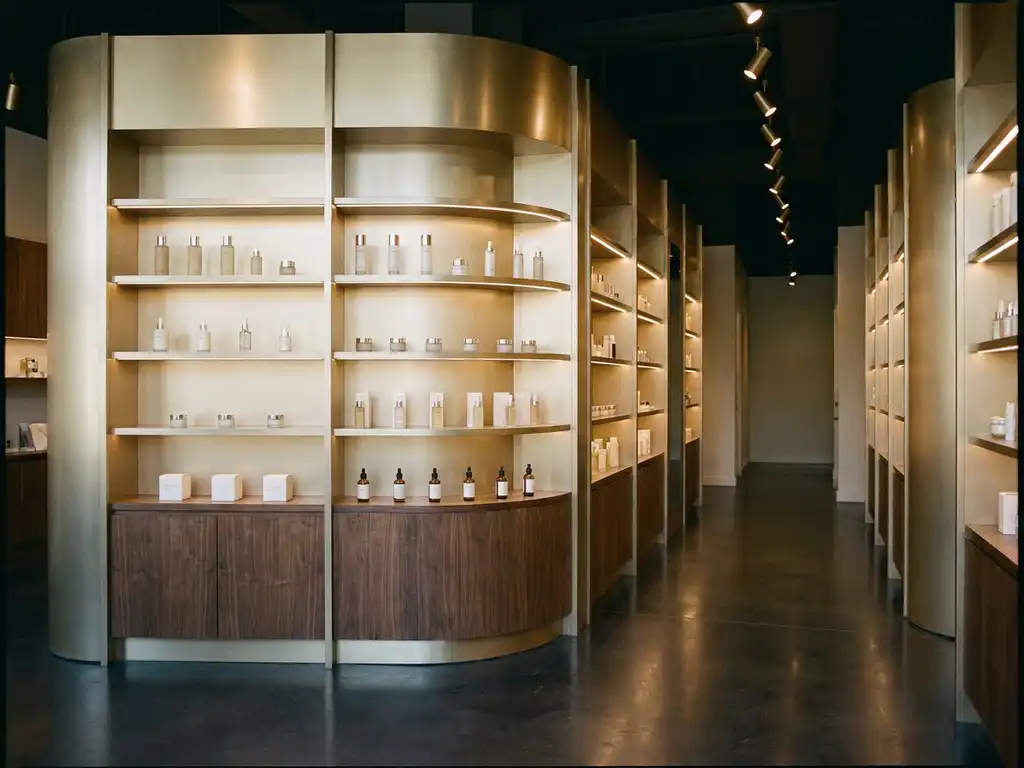
A well-designed display unit can, in many retail contexts, effectively replace a sales representative in store. When built with the right combination of visual hierarchy, product information, and brand storytelling, a retail display performs the core functions of a salesperson: it attracts attention, communicates value, and guides a shopper toward a purchase decision. The sections below examine where this holds true, where it does not, and what separates a high-performing display unit from one that simply occupies shelf space.
A display unit can communicate product benefits, brand identity, usage instructions, price positioning, and promotional messaging without any human involvement. Through the strategic use of graphics, materials, structure, and placement, a well-executed retail display conveys a brand's story at the precise moment a shopper is making a purchase decision. This makes it one of the most efficient tools in in-store marketing.
Beyond the basics of product information, a display unit communicates trust. Premium materials signal quality. Clear hierarchy signals confidence. Thoughtful layout signals that a brand understands its shopper. When these elements align, the display does not just inform — it persuades. Shoppers draw conclusions about a brand's credibility and relevance within seconds of approaching a fixture, often before reading a single word of copy.
Effective POS displays also communicate urgency and exclusivity. Limited-edition framing, seasonal graphics, and deliberate use of space all contribute to a shopper's sense that this product, in this moment, is worth their attention.
A sales representative in store provides real-time, adaptive communication that a display unit cannot replicate. A trained representative responds to individual shopper questions, reads body language, handles objections, and tailors their pitch to the specific needs of the person in front of them. This level of personalised engagement remains beyond the capability of any static or semi-interactive display.
Representatives also build relationships. Repeat shoppers who receive consistent, knowledgeable service develop brand loyalty that extends beyond the product itself. They can upsell, cross-sell, and recover a hesitant shopper who might otherwise walk away. In categories where purchase decisions are complex, emotionally charged, or require expert guidance — such as skincare prescriptions, high-value electronics, or bespoke fragrance — the human element carries significant commercial weight.
That said, the gap between what a representative and a display can achieve narrows considerably when the display is designed with genuine intelligence. The question is not whether displays can match human interaction, but whether they can deliver sufficient value to justify the investment in environments where staff deployment is not viable.
Display design influences purchase decisions by controlling the shopper's visual journey, reducing decision friction, and reinforcing brand trust at the point of sale. When a shopper approaches a fixture, their eye is drawn first by structure and colour, then by messaging, and finally by product. A display designed around this sequence directs attention deliberately and reduces the cognitive effort required to make a choice.
Hierarchy is central to this process. Displays that lead with a clear hero message, supported by product-level detail and a visible call to action, replicate the logical flow of a well-structured sales conversation. Shoppers who might otherwise need to ask a question can find their answer in the display itself.
Material choice also plays a role. Tactile finishes, premium substrates, and considered use of lighting all contribute to perceived product value. A shopper who handles a well-crafted fixture is already engaging with the brand in a physical, sensory way — and that engagement increases purchase intent. This is why the quality of manufacturing matters as much as the quality of the design brief.
Retail environments with high footfall, limited floor staff, or a self-service model benefit most from display-led selling. Pharmacies, supermarkets, department store beauty halls, and health and wellness retailers are prime examples. In these settings, shoppers frequently browse without assistance, and the display unit becomes the primary — sometimes only — brand touchpoint at the moment of decision.
Pharmacy retail is a particularly strong use case. Brands such as those in the skincare and dermatology category, where shoppers are seeking credible guidance, rely on well-structured POS displays to communicate clinical credentials, product differentiation, and recommended usage without a pharmacist needing to intervene. The display must do the work of an informed adviser.
Exhibition environments present a different but equally relevant case. At venues such as the NEC, where brand representatives may be occupied with multiple visitors simultaneously, display structures carry a significant share of the communication burden. A fixture that can hold a visitor's attention independently — and guide them toward a conversation or a next step — is a measurable commercial asset.
A display unit performs like a silent salesperson when it combines clear messaging, intuitive product navigation, strong brand identity, and a design that anticipates the shopper's questions before they are asked. These features, working together, create a fixture that sells actively rather than simply presenting stock.
The best retail fixtures are not designed in isolation. They are developed with an understanding of the shopper journey, the retail environment, and the specific category dynamics at play. This is where the design and manufacturing process becomes a strategic exercise, not just a production one.
Brands should treat display units and in-store staff as complementary rather than competing investments, but where budget constraints require prioritisation, a well-designed display unit offers a scalable, consistent, and cost-efficient route to shopper engagement. A single display can operate across hundreds of locations simultaneously, maintaining brand standards without variance in quality or message.
In-store staff deliver irreplaceable value in high-consideration categories and flagship environments. But in the majority of physical retail settings — where brands have limited control over staffing levels, training quality, and competitor activity — a robust retail display strategy provides a more reliable foundation for driving sales.
The strongest commercial case is made when display investment is treated as a long-term brand asset rather than a short-term promotional expense. Permanent fixtures that are designed to adapt, refresh, and endure across multiple campaign cycles deliver compounding returns. Temporary displays that are engineered for rapid deployment and consistent installation extend a brand's reach without proportional increases in cost.
In 2026, with physical retail under continued pressure to justify its role in an omnichannel landscape, the display unit's ability to deliver a consistent, brand-aligned, and shopper-relevant experience at scale makes it one of the most strategically valuable tools available to brand owners and retail experience managers.
Pivotal is a full-service retail design partner that helps brands create display units capable of performing as silent salespeople across any retail environment. From initial concept through to manufacturing and on-site installation, Pivotal manages the entire project lifecycle in-house, ensuring that design intent is never lost in production.
For brands seeking a display unit that does the work of a sales representative in store, the quality of the design and manufacturing partner is the deciding factor. Contact Pivotal to discuss how a bespoke retail display solution can strengthen your in-store presence and drive measurable results at the point of purchase.