
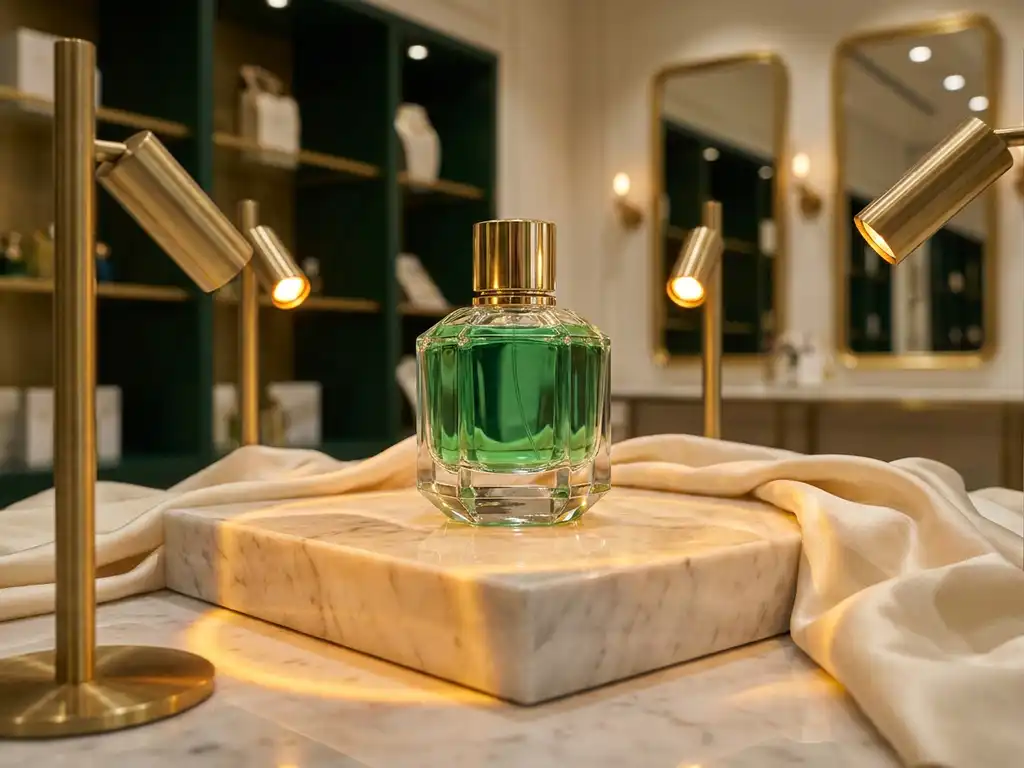
To make your brand stand out, you need a cohesive, physically compelling in-store presence that captures shoppers' attention at the point of purchase and communicates your brand identity with clarity and consistency. For brands operating through physical retail channels, the display environment is the single most powerful tool for differentiation. The sections below address the key questions brand owners and marketing directors ask when evaluating their in-store strategy.
Shoppers notice a brand when its in-store presence creates an immediate visual or sensory contrast with its surroundings. In a retail environment where dozens of competing products occupy the same shelf or aisle, brand visibility solutions that use distinctive form, colour, material, or lighting cut through visual noise and draw the eye before a shopper consciously decides to engage.
Physical retail is a high-distraction environment. Shoppers move quickly, make decisions in seconds, and are rarely in a deliberate browsing mindset. Brands that rely solely on packaging to carry their message are at a significant disadvantage. A well-designed display structure positions the product in three-dimensional space, creates a dedicated brand zone, and guides the shopper's attention in a way that flat shelf placement cannot.
The most effective in-store brand visibility strategies combine several elements:
When these elements work together, a brand creates a recognisable presence that shoppers associate with quality and intent, rather than blending into the category backdrop.
Point of sale display directly shapes how shoppers perceive a brand's quality, credibility, and relevance. A well-executed POS display signals investment, professionalism, and brand confidence. Conversely, a poorly constructed or generic display can undermine even a premium product by communicating a lack of attention to the retail experience.
Brand perception is formed rapidly in a physical retail setting. The materials used, the finish quality, the structural integrity of a display unit, and the accuracy of the printed graphics all contribute to an implicit quality judgement that shoppers make before they have read a single word of copy. This is particularly critical in sectors such as beauty, skincare, and wellness, where the premium nature of the product must be reflected in every touchpoint.
Point of sale also functions as the final moment of brand communication before purchase. Unlike advertising, which operates in a context removed from the buying decision, POS display operates at the exact moment of conversion. Brands that use this space strategically, with messaging that reinforces value and builds confidence, consistently outperform those that treat the display as a purely functional product holder.
Temporary retail displays are designed for short-term campaigns, seasonal promotions, or product launches, typically using lighter materials and constructed for ease of assembly and removal. Permanent retail displays are built for long-term installation, using more durable materials and higher-specification finishes suited to sustained daily use within a fixed retail environment.
Temporary displays, often referred to as promotional or campaign POS, are deployed for defined periods, such as a product launch, a seasonal push, or a brand activation. They are typically constructed from materials such as corrugated board, lightweight acrylic, or printed substrates that balance visual impact with cost efficiency. The priority is speed to market, flexibility, and the ability to deploy consistently across multiple retail locations simultaneously.
Permanent displays represent a longer-term investment in the retail environment. They are designed to become a fixture within the store layout, using materials such as hardwood, metal, high-grade acrylic, or moulded components that withstand the wear of continuous use. These units typically undergo more rigorous design development, including CAD modelling, rapid prototyping, and retailer approval processes, before reaching the shop floor. The return on investment is measured over a longer period, and the display itself becomes part of the brand's physical identity within that retail channel.
Choosing between the two depends on campaign objectives, budget, and the nature of the retail relationship. Many brands operate both in parallel, using permanent fixtures as the brand anchor and temporary POS to activate seasonal or promotional moments around it.
Bespoke retail design strengthens brand identity by translating a brand's visual language, values, and personality into a three-dimensional physical form that generic off-the-shelf fixtures cannot achieve. A custom-designed display is built around the specific product, the specific retail environment, and the specific shopper journey, creating a coherent brand experience rather than a generic product holder.
The distinction between bespoke and standard display solutions is significant. Standard fixtures are designed to accommodate a broad range of products and brands, which means they carry no inherent brand equity. A bespoke unit, by contrast, is designed from the ground up to reflect a specific brand's identity, from the structural silhouette and material palette through to the graphic zones and interactive elements.
For brands operating in competitive categories, this level of specificity matters. A bespoke display communicates that the brand has invested in the retail relationship, respects the shopper's environment, and is serious about the quality of its physical presence. It also enables tighter alignment between the in-store experience and the brand's wider marketing activity, creating consistency across touchpoints that builds long-term brand recognition.
Bespoke design also allows for practical advantages: optimised product capacity, integrated security features, compliance with retailer specifications, and the ability to evolve the design as the product range develops.
The sectors that benefit most from a strong in-store brand presence are those where purchase decisions are made emotionally, where product differentiation is high, or where the shopper is actively choosing between competing brands at the shelf. Beauty, skincare, health and wellness, food and beverage, fashion accessories, and lifestyle products consistently see the greatest return from investment in brand experience retail.
In beauty and skincare, the sensory and aspirational nature of the purchase means that the display environment directly influences perceived product quality. Brands such as those operating in pharmacy retail or department store beauty halls rely heavily on display design to communicate efficacy, heritage, and luxury at the point of purchase.
In food and beverage, impulse purchase dynamics make shelf standout and secondary placement critical. A brand that secures a well-designed freestanding unit near a high-traffic area converts browsers into buyers at a meaningfully higher rate than one relying solely on standard shelf positioning.
Fashion and lifestyle brands operating through concession models or specialist retail chains also depend on display design to create a brand environment within a shared retail space, effectively building a store-within-a-store experience that reinforces brand identity and justifies premium pricing.
Brands should look for a retail display partner that offers end-to-end capability, covering design, development, manufacturing, and installation under a single point of accountability. Fragmented supply chains, where design, production, and installation are handled by separate suppliers, introduce risk at every handover and dilute the quality of the final outcome.
Key criteria when evaluating a retail display partner include:
Project management capability is equally important. A partner who can manage the full lifecycle, from initial concept through to on-site installation and ongoing maintenance, reduces the operational burden on the brand's internal team and ensures that deadlines and quality standards are met consistently.
Pivotal is a UK-based, full-service retail design company that delivers bespoke in-store brand visibility solutions from initial concept through to manufactured, installed displays. For brands seeking to strengthen their retail display design without managing multiple agencies, Pivotal provides a single, accountable partner across the entire project lifecycle.
Pivotal's capabilities are built to address the full range of challenges outlined above:
Pivotal has delivered retail display solutions for brands including Estée Lauder, Eucerin, Avène, La Prairie, and Lucozade, operating across pharmacy, department store, and specialist retail environments. If your brand is preparing a product launch, refreshing existing fixtures, or seeking a more strategic approach to in-store brand experience retail, contact Pivotal to discuss your brief.