
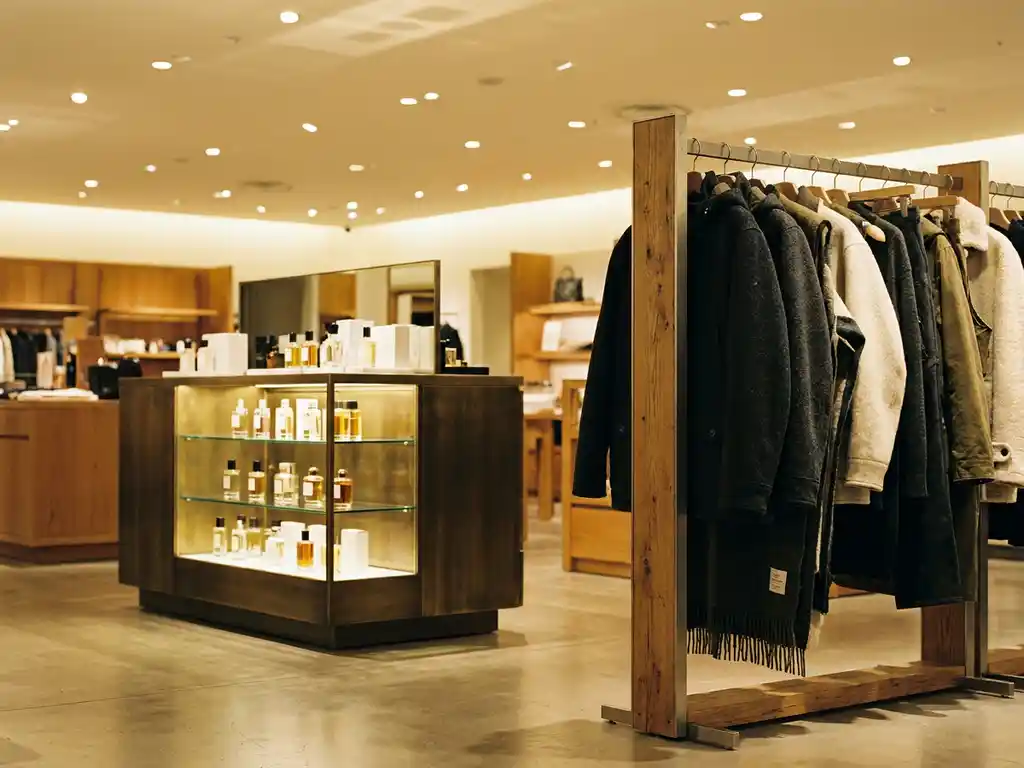
Experiential retail strategies differ significantly by product category because the shopper's decision-making process, emotional triggers, and physical interaction needs vary depending on what they are buying. A beauty consumer seeking personalisation requires a fundamentally different in-store experience than a food and beverage shopper responding to impulse cues. Understanding these distinctions allows brands to design environments and displays that convert at the point of purchase. The sections below address the most important questions brands should ask when developing a category-specific experiential retail approach.
Beauty, health, fashion, lifestyle, and food and beverage are the product categories that benefit most from experiential retail. These categories share a common characteristic: purchase decisions are heavily influenced by sensory engagement, emotional connection, or trial. When shoppers can see, touch, smell, or sample a product in a compelling environment, conversion rates and basket size improve meaningfully.
Categories where the product itself is difficult to evaluate online are particularly well-suited to experiential retail. Skincare efficacy, fragrance, fabric texture, and food taste are qualities that digital channels cannot communicate. Physical retail fills that gap by providing direct sensory access. Similarly, categories with high brand competition benefit from experiential design because a well-executed in-store presence differentiates a brand from shelf-level competitors without relying solely on price or packaging.
Luxury goods, wellness products, and premium lifestyle brands also gain disproportionate value from experiential environments because their positioning depends on perceived quality and brand story. A premium display communicates brand values before a shopper reads a single word of copy.
For beauty and health products, experiential retail centres on education, personalisation, and sensory trial. Shoppers in this category are often making considered purchases with specific skin concerns, health goals, or ingredient preferences in mind. The in-store experience must bridge the gap between clinical claims and personal relevance, making information accessible without overwhelming the shopper.
In pharmacy and health retail environments, this means displays must communicate product benefits clearly and credibly while also inviting interaction. Testers, shade-matching tools, diagnostic prompts, and ingredient callouts all serve to move a shopper from awareness to confidence. Brands such as Eucerin and Avene, which operate at the intersection of skincare and dermatology, require retail environments that reflect both the science behind the product and the emotional reassurance shoppers seek.
Promotional displays placed in high-footfall environments such as Boots UK must also work hard within limited floor space. The design challenge is to create a focused, brand-coherent experience that stands out within a competitive health and beauty aisle without disrupting the shopper journey. Fixture design, graphic hierarchy, and material selection all contribute to whether a display reads as premium, trustworthy, and worth pausing at.
Fashion and lifestyle brands achieve the strongest results through experiential retail tactics that communicate identity, aspiration, and community. Shoppers in these categories are not only buying a product but buying into a brand world. In-store experiences that reflect a coherent aesthetic, tell a brand story, and invite physical engagement with the product tend to drive both immediate purchase and long-term loyalty.
Key tactics include immersive display environments that extend the brand's visual language beyond packaging, curated product groupings that suggest lifestyle pairings, and materials and finishes that reinforce brand positioning. A fashion brand with a sustainability ethos, for example, benefits from fixtures that use reclaimed or responsibly sourced materials. A lifestyle brand targeting a younger, design-conscious audience might prioritise modular, visually striking display structures that perform well both in-store and as shareable environments.
Seasonal and campaign-led activations are also particularly effective in fashion and lifestyle retail. Temporary displays that reflect a specific collection or promotional moment create urgency and visual freshness, encouraging repeat visits and reinforcing the sense that the brand is dynamic and current.
Food and beverage brands primarily use in-store experience to trigger impulse purchases and reinforce brand recognition at the moment of decision. Unlike beauty or fashion, where shoppers may enter with a specific product goal, food and beverage purchases are frequently unplanned. This makes point of sale positioning, display visibility, and sensory cues the most commercially significant levers available.
Sampling activations, when operationally feasible, remain one of the most effective experiential tools in this category because they remove the risk of trial entirely. Beyond sampling, strong visual merchandising and well-positioned POS materials that communicate flavour, occasion, or new product news can intercept a shopper's attention mid-journey and prompt an unplanned addition to the basket.
Brands such as Lucozade demonstrate how display design and category positioning work together. Energy and sports nutrition products benefit from placement and display environments that communicate performance, energy, and immediacy. The visual language of the display, from colour palette to structural form, should reinforce the product's core promise and make it immediately legible to a shopper moving at pace through a busy aisle.
Display and point of sale design plays a foundational role across all product categories by translating brand identity into a physical environment that engages shoppers and drives conversion. Regardless of category, a well-designed display communicates brand values, organises product information, and creates a visual hierarchy that guides the shopper from awareness to purchase without requiring staff intervention.
Across categories, the most effective display and POS design shares several characteristics. It is structurally appropriate for the retail environment it occupies, whether that is a pharmacy gondola, a department store counter, or a supermarket end cap. It uses materials and finishes that reinforce brand positioning. And it is designed with the shopper's physical interaction in mind, considering sightlines, reach, and the natural flow of foot traffic.
Permanent and temporary displays serve different strategic purposes. Permanent fixtures build long-term brand presence and are typically associated with core ranges and flagship products. Temporary POS supports campaign moments, new product launches, and seasonal activations. Both require the same rigour of design thinking, but the manufacturing brief, material specification, and installation requirements differ accordingly.
Brands should choose an experiential retail approach by starting with a clear understanding of their shopper's decision-making journey within that specific category. The right approach is the one that removes the most significant barrier to purchase, whether that barrier is lack of awareness, insufficient product knowledge, absence of trial, or weak brand differentiation at shelf.
The selection process should consider the following factors:
Brands that approach experiential retail strategically rather than reactively consistently achieve stronger in-store results. The decision should be grounded in shopper insight, informed by category norms, and executed with precision across design, manufacturing, and installation.
Pivotal is a full-service retail design partner that works with brands across beauty, health, fashion, lifestyle, and food and beverage to develop in-store experiences built around category insight and commercial outcomes. The service covers every stage of the project lifecycle, from initial concept through to on-site installation by Pivotal's own employed fitters.
For brands looking to strengthen their in-store presence with a category-specific experiential retail strategy, connect with Pivotal to discuss how a bespoke approach can be developed for your product category and retail environment.