
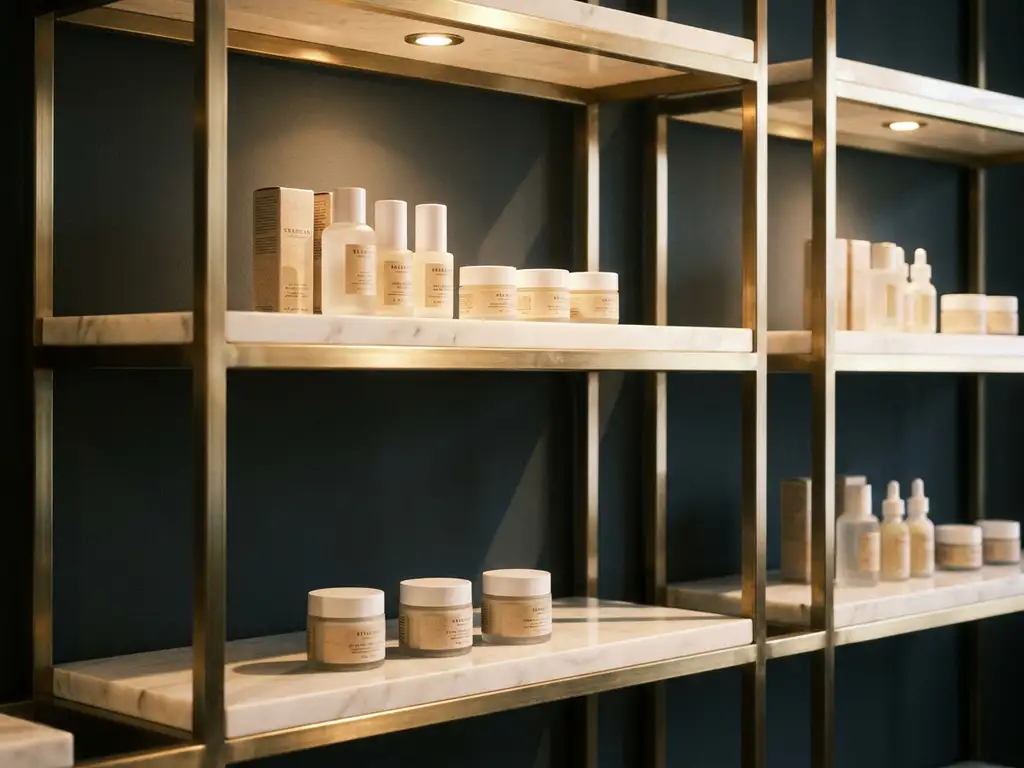
Balancing aesthetics and function in a display unit requires designing each element to serve both brand communication and shopper usability simultaneously. The most effective retail displays are not a compromise between the two priorities but a deliberate integration of them. The sections below address the specific questions that define this challenge, from material selection and shopper behaviour to prototyping and sustainability.
A display unit achieves both visual appeal and functionality when its structural design and brand communication work in tandem rather than in conflict. Every component, from shelf height and product orientation to lighting placement and graphic panels, must earn its place by serving the shopper's journey as well as the brand's identity. Neither element should be an afterthought.
Functional design addresses how shoppers physically interact with a unit: can they easily locate and retrieve the product, read pricing and messaging at a glance, and navigate the fixture without confusion? Visual design answers whether the unit commands attention at the point of sale, communicates brand values instantly, and creates an experience worth pausing for.
The most effective retail display design treats these two dimensions as a single brief. Structural decisions, such as the angle of shelving, the use of open versus enclosed product bays, and the positioning of graphic headers, directly affect both shopper usability and visual impact. When these decisions are made together, the result is a display unit that converts browsers into buyers while reinforcing brand equity.
Shopper behaviour is one of the most reliable inputs for display unit design because it reveals how real people move through, engage with, and respond to retail environments. Understanding dwell time, eye-level engagement zones, and typical navigation patterns within a retail category allows designers to position products, messaging, and calls to action where they will have the greatest impact.
For example, shoppers in a pharmacy environment tend to approach fixtures with a specific need in mind and scan vertically before moving horizontally. This behaviour informs decisions about where to place hero products, how to structure tiered shelving, and where to position educational or reassurance messaging. In contrast, a fashion or lifestyle environment may see more exploratory browsing, which calls for a more immersive, brand-led approach to fixture design.
Shopper insights gathered before the design process begins allow brands to make evidence-based decisions rather than aesthetic assumptions. Integrating this research into the brief ensures that the finished in-store display responds to actual behaviour rather than idealised assumptions about how shoppers engage with the category.
The best materials for balancing durability and brand aesthetics depend on the retail environment, the expected lifespan of the display, and the brand's visual language. Acrylic, powder-coated metalwork, and high-quality joinery are among the most versatile options because they offer structural integrity alongside a premium finish that communicates brand quality at the point of sale.
For permanent retail fixtures, materials need to withstand daily shopper interaction, cleaning regimes, and restocking cycles without degrading visually. Powder-coated steel and aluminium provide long-term structural performance, while acrylic and moulded components allow for precise brand colour matching and clean, contemporary aesthetics. Joinery and woodwork remain a strong choice for premium or heritage brands where warmth and craftsmanship are part of the brand narrative.
For temporary or promotional displays, the calculus shifts toward materials that are cost-effective, fast to produce, and still capable of delivering strong visual impact. Lightweight composites, printed substrates, and recyclable board structures can achieve a high-quality finish when designed with precision. The key is ensuring that material choices do not undermine the brand's perceived value, even in a short-term retail context.
Aesthetics should take priority over function when the primary objective of the display is brand building rather than immediate product conversion. In contexts such as new brand launches, flagship retail environments, or high-profile promotional activations, the display's role is to communicate brand values and create a memorable impression. In these cases, visual impact is the functional outcome.
However, this prioritisation should never come at the cost of basic usability. A display that shoppers cannot engage with, or that obscures the product, will undermine even the strongest visual concept. The more accurate framing is that in brand-led contexts, aesthetics are elevated to a primary commercial objective, but the display must still meet a minimum threshold of accessibility and clarity.
In high-volume, conversion-focused environments such as supermarket gondola ends or pharmacy forecourts, the balance typically shifts back toward functional clarity, with aesthetics serving to differentiate the brand within a crowded fixture landscape rather than to create a standalone experience.
Prototyping allows brands and designers to evaluate the relationship between aesthetics and function in a physical, real-world context before committing to full production. A prototype reveals structural weaknesses, proportion issues, and usability problems that are difficult to identify from CAD drawings or renders alone. It also provides a tangible reference point for stakeholder sign-off, reducing the risk of costly revisions at the manufacturing stage.
Rapid prototyping, in particular, compresses the feedback loop significantly. By producing a physical model quickly and cost-effectively, design teams can test multiple iterations of a display unit design in a fraction of the time previously required. This process allows for live testing of shelf angles, graphic legibility at different viewing distances, product accessibility, and structural stability under realistic conditions.
For brands launching across multiple retail environments, prototyping also provides the opportunity to validate that a single design concept performs consistently across different store formats and fixture configurations. Reviewing a portfolio of installed displays can also inform this process by identifying what has worked across comparable retail contexts.
Sustainability requirements influence display unit design at every stage, from material specification and manufacturing processes through to end-of-life considerations. Brands and retailers are increasingly required to demonstrate environmental responsibility across their supply chains, and point of sale display design is no exception. This means that sustainable design is not simply an ethical preference but a commercial and regulatory reality.
In practice, sustainability requirements shape decisions such as whether to use recycled or recyclable materials, how to minimise waste during manufacturing, and whether a display can be disassembled and repurposed at the end of its campaign life. For permanent fixtures, longevity itself becomes a sustainability metric: a well-engineered display that lasts several years is inherently more sustainable than a cheaper unit that requires frequent replacement.
The challenge is ensuring that sustainable material choices do not compromise the visual quality or structural performance of the display. This is where design expertise becomes critical. Selecting materials that meet environmental criteria while still delivering the brand's required aesthetic and functional standards requires a detailed understanding of both the material landscape and the retail environment in which the display will operate.
Pivotal is a full-service retail design partner that manages every stage of the display unit design process, from initial concept and shopper insight through to manufacturing, prototyping, and on-site installation. For brands seeking to resolve the tension between aesthetics and function, Pivotal's integrated approach ensures that both priorities are addressed within a single, managed project workflow.
For brands looking to create POS display design that performs commercially and communicates with precision, Pivotal offers the expertise, manufacturing capability, and project management rigour to deliver. Contact Pivotal to discuss your next retail display brief.