
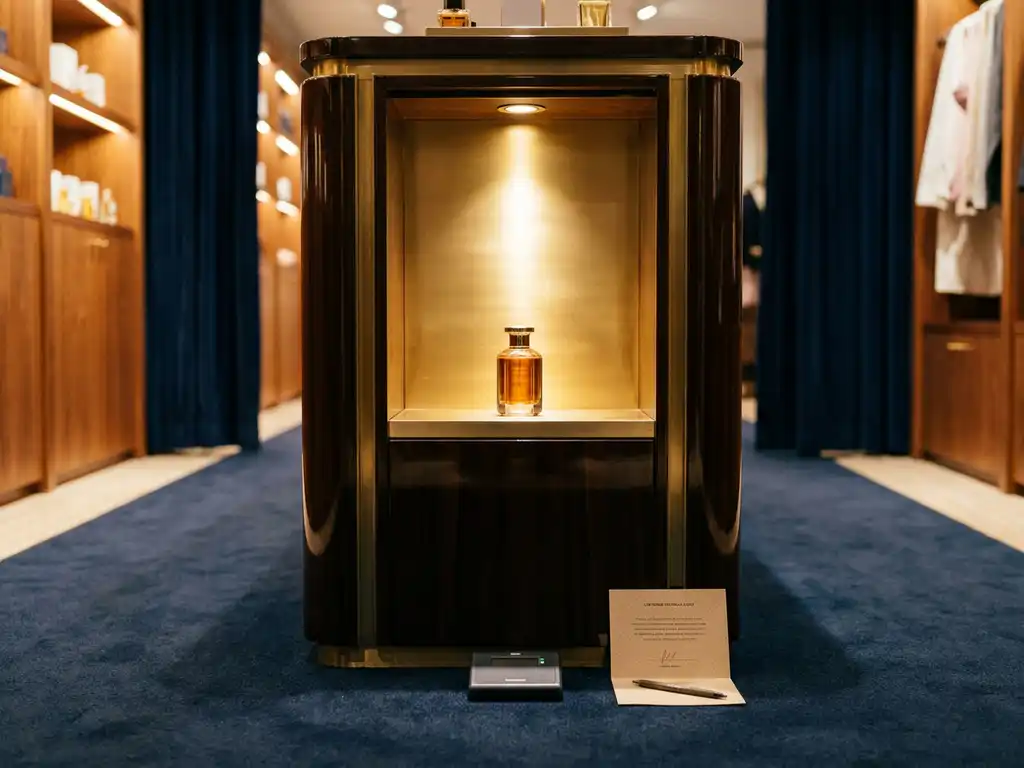
The success of an in-store brand experience is measured through a combination of commercial, behavioural, and perceptual metrics — including sales uplift at the point of purchase, shopper dwell time, conversion rate, and qualitative feedback gathered in-store or post-visit. No single figure tells the full story. Brands that evaluate performance across multiple dimensions gain a far clearer picture of whether their physical retail investment is delivering genuine value. The questions below unpack each measurement dimension in practical terms.
The most reliable indicators of in-store experience success are sales conversion rate, average transaction value, dwell time at the fixture, and brand recall. These retail brand experience metrics work together to show whether a display is attracting attention, holding it, and translating engagement into purchase. Tracking them before and after an installation provides the clearest baseline for comparison.
Beyond transactional data, brands should monitor stock depletion rates at specific fixtures, which act as a proxy for shopper engagement when till-level data is unavailable. Footfall data — where retailers share it — combined with conversion rate analysis reveals how effectively a display is turning browsers into buyers.
In-store KPIs worth tracking consistently include:
Compliance is a frequently overlooked metric. A display that underperforms in one location may be doing so because it has been incorrectly positioned or is missing key components. Measuring compliance alongside commercial results ensures that performance data reflects the experience as designed, not as improvised.
Dwell time is one of the strongest behavioural signals available to brand owners evaluating in-store brand performance. When a shopper pauses at a fixture for longer than a passing glance, it indicates that the display has successfully interrupted their journey and created a moment of consideration. Longer dwell time is consistently associated with higher conversion rates and greater brand engagement.
The relationship between dwell time and purchase intent is not automatic, but it is significant. A shopper who spends time reading product information, handling products, or interacting with a display element is far more likely to convert than one who walks past. This makes dwell time a leading indicator — it signals intent before the transaction occurs.
Improving dwell time is primarily a design challenge. Fixtures that create clear visual hierarchy, invite tactile interaction, and communicate product benefits efficiently tend to hold attention for longer. Poorly organised or visually cluttered displays do the opposite, causing shoppers to disengage quickly even when the product itself is relevant to their needs.
Retailers increasingly use anonymised in-store analytics tools to measure dwell time at category level. Where brands have access to this data through their retail partners, it provides a granular view of how individual fixtures perform relative to the broader category.
Point of sale effectiveness is a transactional measure — it evaluates whether a specific display or POS unit drove purchase at that moment. Brand experience measurement is broader, assessing whether the interaction built longer-term affinity, recognition, and preference. Both matter, but they answer different questions and require different data sources.
POS effectiveness is typically measured through direct sales data, stock depletion, and conversion rate at the fixture. It is short-term and location-specific. A strong POS result confirms that the display worked in that context, but it does not tell you whether the shopper now thinks more highly of the brand or is more likely to seek it out in future.
Brand experience measurement looks at the cumulative effect of multiple in-store touchpoints. It draws on shopper surveys, brand tracking studies, and net promoter data to assess whether physical retail interactions are shifting perception and building loyalty over time. This type of measurement operates on a longer cycle and requires consistent methodology across multiple data collection points.
For most brand owners, the practical approach is to prioritise POS effectiveness metrics for campaign-level decisions and use brand experience data to inform longer-term strategy. The two should inform each other: a display that drives strong short-term sales but leaves shoppers feeling confused or underwhelmed may be delivering immediate return at the cost of long-term equity.
Shopper feedback is one of the most direct ways to evaluate whether an in-store display is communicating effectively. It reveals not just whether shoppers noticed the display, but whether they understood the brand message, found the experience intuitive, and felt positively about the interaction. Quantitative sales data tells you what happened; shopper feedback tells you why.
Feedback can be gathered through several practical methods, each suited to different stages of the display lifecycle:
The most actionable feedback programmes combine at least two of these methods. Observational data identifies what shoppers actually do; survey data explains what they thought and felt. Together, they give brand owners the evidence needed to make informed decisions about display iteration and future investment.
Brands should review in-store experience performance at regular intervals tied to the display's intended lifecycle — typically at four to six weeks post-launch, at the mid-point of a campaign, and at end-of-term. Updates should be triggered by a meaningful decline in conversion rate, a change in the competitive context, a product range refresh, or evidence from shopper feedback that the display is no longer communicating effectively.
Waiting until a campaign ends before evaluating performance is a common and costly mistake. Early data from the first four to six weeks post-installation is often the most actionable, because it identifies issues while there is still time to make adjustments. Compliance checks conducted during this window frequently uncover installation discrepancies that are distorting performance data.
Permanent fixtures warrant a more structured review cadence. Annual or biannual assessments should consider whether the display still reflects current brand identity, whether the retail environment around it has changed, and whether materials and finishes remain in acceptable condition. A display that looked premium at launch but shows visible wear two years later is actively undermining the brand experience it was designed to create.
Seasonal and promotional displays operate on shorter cycles and should be evaluated against campaign-specific objectives within days of launch where data allows. The speed of the retail environment in 2026 means that brands waiting weeks for reporting to surface before acting are already behind the curve.
Pivotal works with brands at every stage of the in-store display lifecycle, from initial concept and rapid prototyping through to installation and ongoing compliance. For brand owners seeking to move from guesswork to evidence-based retail decisions, Pivotal's end-to-end approach provides the infrastructure to act on performance data quickly and effectively.
Brands that measure rigorously and act on what they find are the ones that consistently outperform at the point of purchase. If you are ready to build an in-store experience that delivers measurable results, connect with Pivotal to start the conversation.