
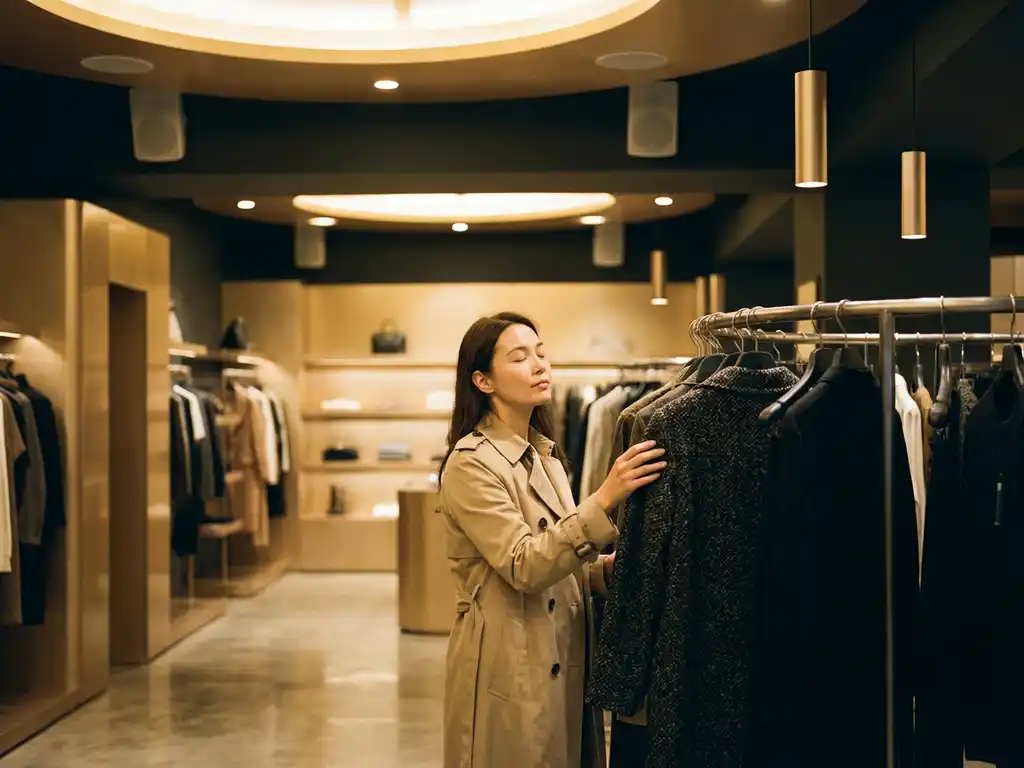
Music in a store directly influences shopper mood and spending behaviour. Background music affects how long customers stay, how much they spend, and how they perceive a brand. The effect is not incidental — it is a measurable dimension of retail atmosphere that shapes purchasing decisions at a subconscious level. The sections below address the most important questions about how in-store music psychology works in practice.
Slower tempo music causes shoppers to move through a store at a reduced pace, which typically extends dwell time and increases the likelihood of unplanned purchases. Faster tempo music has the opposite effect, accelerating movement and shortening visits. Retailers with high footfall and limited floor space may benefit from faster tempos, while those selling considered or premium products generally favour slower-paced soundscapes.
The relationship between tempo and dwell time is well established in retail sensory marketing research. When shoppers slow down, they engage more with product displays, read more packaging, and make more comparisons. This creates additional conversion opportunities that faster-paced environments suppress. For categories such as beauty, wellness, or premium fashion, where the purchase decision involves emotional engagement, a slower soundtrack reinforces the browsing behaviour that drives higher basket values.
Music volume in retail stores affects both comfort and spending patterns. Low to moderate volume encourages relaxed browsing and social interaction, which is associated with longer visits and higher spend. High volume tends to accelerate shopper movement and can reduce dwell time, which may suit fast-casual or youth-oriented environments but risks alienating shoppers seeking a considered purchase experience.
Volume also interacts with perceived brand positioning. A luxury skincare display in a department store set against loud, intrusive music creates a mismatch that undermines the premium cues the physical environment is designed to communicate. Conversely, a sports or lifestyle brand may use higher volume strategically to signal energy and relevance to its target demographic. The commercial implication is clear: volume is not a neutral background variable — it is an active component of the retail atmosphere that should be calibrated to the brand and category.
Music genre shapes the emotional register of a retail environment and directly influences shopper mood. Classical music is associated with sophistication and perceived quality, which can increase willingness to spend on premium products. Pop and chart music create familiarity and energy. Ambient or acoustic music signals calm and approachability. Each genre activates different emotional associations that either reinforce or contradict the brand experience a retailer is trying to create.
Genre also carries demographic signals. A brand targeting younger shoppers may select contemporary genres to signal relevance, while a heritage beauty brand might opt for understated acoustic or classical selections to reinforce its positioning. The key principle is congruence: when the music genre aligns with the brand's identity and the shopper's expectations, it becomes a reinforcing element of the overall experience rather than background noise.
Music does not operate in isolation within a retail environment. It interacts with lighting, scent, temperature, and visual merchandising to create a combined sensory impression. When these elements are aligned, they reinforce one another and deepen the shopper's emotional engagement. When they conflict, the result is sensory dissonance that can reduce comfort, shorten visits, and weaken brand perception.
Consider a pharmacy-adjacent skincare display designed to communicate clinical credibility. Soft, neutral lighting and clean white fixtures create a precise, trustworthy visual environment. If the background music is upbeat pop, it introduces an emotional tone that conflicts with the intended positioning. Replacing it with calm, minimal music restores coherence across the sensory experience. Retailers and brand owners who think about music alongside other sensory variables, rather than as a separate decision, achieve more consistent and commercially effective in-store environments.
Yes. Retailers should match music selection to the preferences, expectations, and emotional state of their target customer profile. Music that resonates with a shopper's identity and taste creates a sense of belonging and comfort that encourages longer visits and stronger brand affinity. Music that feels misaligned can create subtle discomfort that shoppers may not consciously identify but which influences their decision to leave or disengage.
Matching music to the customer profile requires understanding the demographic, psychographic, and cultural context of the core shopper. Age, lifestyle, and purchase motivation all shape what feels appropriate. A brand targeting health-conscious professionals in a premium wellness context will select differently from a brand targeting trend-led younger consumers in a fast fashion environment. The practical implication for brand owners is that music strategy should be informed by the same shopper insight that drives visual merchandising and display design decisions.
Brands can use music as a deliberate, integrated layer within a broader in-store experience strategy by treating it as a brand communication tool rather than an operational default. This means defining a sonic identity that aligns with the brand's values, selecting music that reinforces the emotional tone of the physical environment, and ensuring consistency across different retail locations and formats.
An effective in-store experience strategy coordinates music with display design, lighting, scent, and customer journey mapping. Music sets the emotional context into which all other sensory and visual elements are received. When a shopper approaches a well-designed point-of-sale display, the surrounding soundscape either amplifies or diminishes the display's impact. Brands that invest in this level of coordination create environments where every element works in the same direction, increasing the cumulative effect on shopper mood and purchase intent.
Practical steps for integrating music into a broader strategy include:
Music is one dimension of a broader sensory environment that either reinforces or undermines a brand's in-store presence. Pivotal works with brand owners and marketing teams to design physical retail environments where every element, including display design, fixtures, materials, and spatial layout, is built to work in concert. Our approach ensures that the visual and physical experience surrounding your product is precise, purposeful, and commercially effective.
If you are reviewing your in-store experience strategy in 2026 and want to ensure every element of your retail environment is working as hard as it should, speak with our team to explore what a fully integrated retail design solution looks like for your brand.