
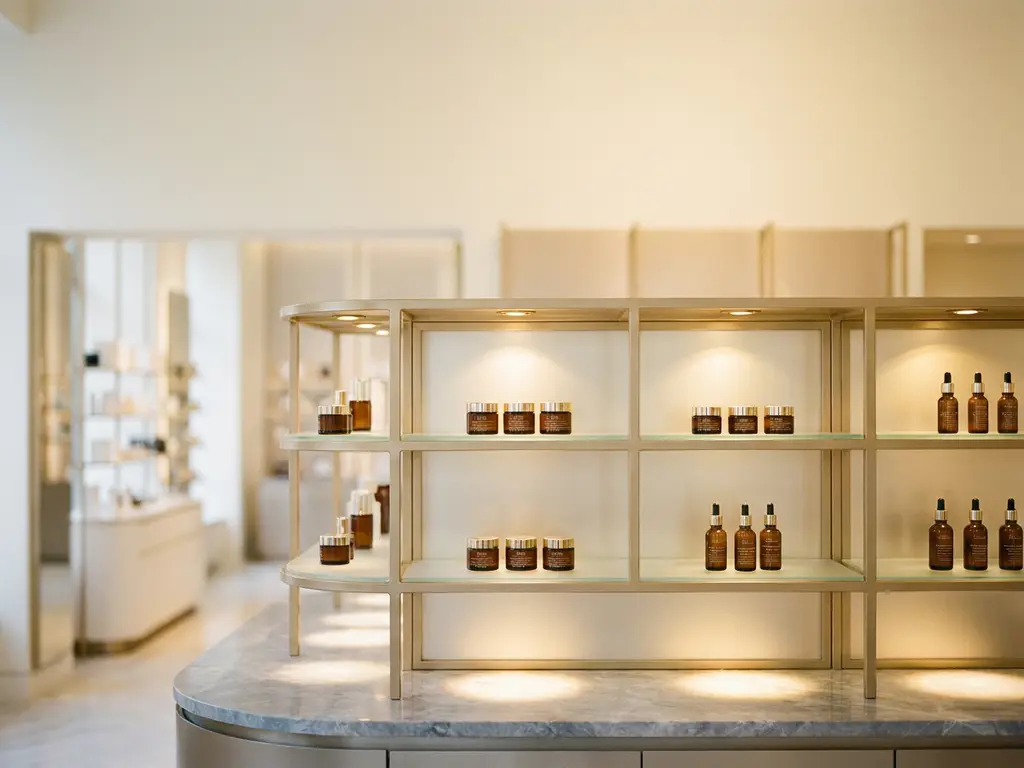
Retail display design directly influences buying decisions by shaping how shoppers perceive, engage with, and ultimately respond to a product at the point of purchase. When a display is well-designed, it removes friction from the decision-making process, draws attention to the right product at the right moment, and communicates brand value without a word being spoken. The sections below address the most critical questions brands ask when evaluating how in-store display design affects shopper behaviour and commercial outcomes.
Shoppers stop at a retail display when it creates an immediate visual interruption within their environment. Strong contrast, clear hierarchy, and purposeful use of colour, light, and form all contribute to what retail professionals call "stopping power." A display that blends into its surroundings fails before the shopper has even registered that the product exists.
Beyond visual impact, engagement is sustained by relevance and clarity. A shopper who stops must instantly understand what the display is offering and why it matters to them. Displays that communicate a clear benefit or occasion — a skincare routine, a seasonal gift, a product comparison — hold attention longer than those that present the product alone. The physical dimension also plays a role: tactile materials, interactive elements, and considered scale all invite the shopper to linger rather than pass by.
In-store environments are increasingly competitive for attention. A display designed without a clear understanding of shopper behaviour, traffic flow, and category context will underperform regardless of the quality of the product it carries.
Display placement has a direct and measurable effect on purchase likelihood. Products positioned at eye level, at gondola ends, near checkout zones, or at natural decision points within a shopper's path consistently outperform those placed in secondary or obstructed positions. Placement determines whether a product is even considered, let alone purchased.
The principle of proximity to the shopper's decision moment is central to effective in-store marketing. A point of sale display positioned at the entrance to a category signals authority and draws footfall deeper into the aisle. A display placed adjacent to a complementary product category encourages cross-purchase behaviour. Conversely, a well-designed display installed in a low-traffic area will deliver significantly reduced return regardless of its creative quality.
Retailer compliance is therefore as important as the display itself. Brands that invest in design but fail to secure the right placement, or whose displays are repositioned by store staff, lose a significant portion of their intended commercial impact. This is why installation discipline and retail compliance form a critical part of any serious in-store strategy.
Materials and build quality communicate brand values before the shopper reads a single word of copy. A display constructed from premium materials — quality acrylic, solid joinery, precision metalwork — signals that the brand behind it is credible, considered, and worth trusting. Conversely, a poorly finished or visibly cheap display actively undermines brand equity at the moment it matters most.
For brands operating in sectors such as beauty, skincare, and lifestyle — where the product itself often carries a premium positioning — the physical quality of the display must be consistent with the product's price point and promise. A luxury skincare brand housed in a flimsy temporary unit creates a disconnect that erodes consumer confidence.
Build quality also affects longevity and compliance. A display that warps, fades, or deteriorates within weeks of installation not only looks poor but requires costly replacement and disrupts the brand's in-store presence. Investing in durable, well-engineered materials from the outset delivers better commercial value across the full lifecycle of the installation.
Temporary and permanent retail displays serve distinct commercial purposes and require fundamentally different design approaches. Temporary displays are built for speed, flexibility, and campaign-specific impact — typically deployed for product launches, seasonal promotions, or short-term brand activations. Permanent installations are engineered for durability, brand consistency, and long-term shopper engagement within a fixed retail environment.
Temporary point of sale displays must deliver maximum visual impact within a short timeframe and a constrained budget. They are often produced at volume and installed across multiple retail locations simultaneously, which means the design must be both striking and straightforward to assemble in-store. Material choices tend to favour cost-effective substrates that can still carry high-quality graphics and finish, without compromising the brand's visual standards.
Permanent fixtures demand a higher investment in materials, engineering, and finish because they will represent the brand in-store for an extended period — often years. The design must account for restocking ease, product security, retailer guidelines, and the evolving nature of the product range it will house. Joinery, metalwork, and premium acrylic components are common in permanent installations where durability and aesthetic consistency are non-negotiable.
Understanding which type of installation a brand needs — and designing accordingly — is one of the first strategic decisions in any retail display project. The two are not interchangeable, and applying a temporary mindset to a permanent brief, or vice versa, routinely leads to underperformance.
Sustainable retail display design can absolutely drive strong sales performance, and in 2026, the commercial case for sustainability has never been stronger. Shoppers and retailers alike are increasingly attentive to the environmental credentials of brands and their in-store presence. A display that communicates sustainable intent — through material choice, construction method, or end-of-life design — reinforces brand values and can actively strengthen purchase intent among environmentally conscious shoppers.
Sustainability does not require a compromise on aesthetics or structural integrity. Responsibly sourced timber, recycled substrates, water-based finishes, and modular construction systems can all deliver displays that are visually compelling and commercially effective. The key is integrating sustainability considerations at the design stage rather than retrofitting them as an afterthought.
For brands selling through retailers with their own sustainability commitments — such as major pharmacy chains or department stores — a demonstrably sustainable display can also strengthen the commercial relationship with the retailer itself, improving the likelihood of securing preferred placement and longer-term fixture agreements.
The display elements most directly linked to converting browsers into buyers are clear product hierarchy, benefit-led messaging, and friction-free product access. When a shopper can immediately identify the lead product, understand its key benefit, and reach or interact with it without obstacle, the conditions for purchase are established. Complexity, clutter, and unclear navigation all interrupt that process.
Specific design elements that consistently support conversion include:
Conversion is ultimately the result of reducing doubt and increasing desire at the moment the shopper is most receptive. Every design decision — from the angle of a shelf to the weight of a header card — either contributes to or detracts from that outcome.
Pivotal is a full-service retail design company that partners with brands to create in-store display solutions built around shopper behaviour and commercial performance. From initial concept through to manufacturing, installation, and compliance, Pivotal manages the entire project lifecycle — removing the need for multiple agencies and ensuring consistency at every stage.
For brands ready to strengthen their in-store presence with display design that converts, contact the Pivotal team to discuss your next project.