The cost of a custom retail display in the UK typically ranges from a few hundred pounds for a simple temporary unit to tens of thousands for a large, permanent, fully installed fixture. The precise figure depends on materials, complexity, production volume, and the scope of services involved. The sections below address the key questions brands ask when budgeting for retail display design and in-store brand activation.
The primary cost drivers for a custom retail display are materials, structural complexity, finishing requirements, and the level of design input required. A display built from premium acrylic with integrated lighting and branded metalwork will cost significantly more than a flat-pack cardboard unit, even if both serve the same merchandising function. Understanding these variables allows brands to make informed decisions before committing to a brief.
The following factors have the most direct impact on overall cost:
Custom retail displays range from low-cost temporary point of sale units to high-investment permanent fixtures. Broadly, they fall into three tiers: temporary POS displays, semi-permanent units, and permanent in-store fixtures. Each tier differs in materials, expected lifespan, and the level of design and manufacturing investment required.
Temporary displays are typically constructed from corrugated card, foamboard, or lightweight plastics. They are designed for short promotional campaigns and are cost-effective to produce in volume. Unit costs can be modest, but the trade-off is a shorter lifespan and lower perceived brand quality in-store. They are well suited to product launches, seasonal activations, and trial campaigns.
Semi-permanent units use more durable materials such as printed board with metal or acrylic components. They are designed to last several months to a year and represent a middle ground between cost and longevity. These are common in pharmacy and grocery environments where planogram changes occur regularly but not constantly.
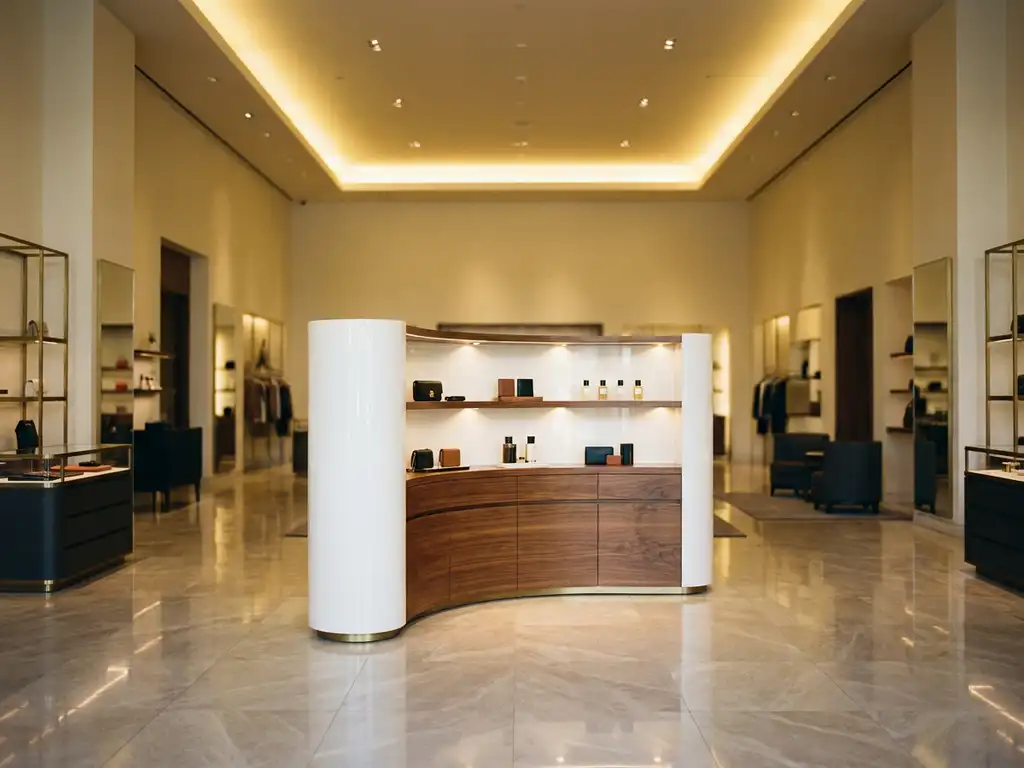
Permanent fixtures are built for long-term installation, often using joinery, metalwork, and high-grade acrylics. They require more substantial upfront investment but deliver a higher-quality in-store experience and a stronger return over their lifespan. Brands such as those placing dedicated counters in department stores or branded bays in specialist retailers typically invest at this level.
Production volume has a direct and significant effect on the cost per unit for custom retail displays. Higher volumes spread tooling, setup, and design costs across more units, reducing the per-unit price. Ordering 500 units of a display costs considerably less per piece than ordering 50, even when the specification is identical.
This relationship between volume and unit cost is particularly relevant for brands rolling out displays across a national retail estate. A brand activating across hundreds of pharmacy or grocery locations will benefit from economies of scale that make a more premium material specification commercially viable. Conversely, smaller brands or those running limited regional campaigns should factor in that lower volumes carry a higher per-unit cost and should budget accordingly. In some cases, it may be worth aligning a display rollout with a broader campaign to reach the volume threshold where unit economics improve meaningfully.
The key cost difference between temporary and permanent retail displays lies in materials, engineering, and total lifespan. Temporary displays have lower upfront costs but must be replaced more frequently, which can make them more expensive over time. Permanent displays require greater initial investment but deliver sustained in-store presence without recurring replacement costs.
When evaluating which approach is right for a given activation, brands should consider the following:
An end-to-end service from a single retail display partner does not necessarily cost more than sourcing design, manufacture, and installation separately, and in many cases it is more cost-effective. Consolidating the project lifecycle with one supplier eliminates duplication, reduces briefing errors, and removes the management overhead of coordinating multiple agencies and contractors.
When brands source each stage independently, hidden costs accumulate quickly. A designer unfamiliar with manufacturing constraints may produce concepts that are expensive or impractical to produce. A manufacturer working from a brief that lacks installation details may deliver units that require costly on-site adaptation. Compliance failures discovered late in the process can result in expensive rework. An integrated retail display design and delivery service mitigates these risks by maintaining continuity from concept through to installation.
There is also a speed advantage. A single partner managing the full project timeline can identify and resolve issues faster than a chain of separate suppliers, each with their own lead times and communication processes. For brands working to retail activation deadlines, this operational efficiency has real commercial value.
Brands extract the most value from a retail display budget by investing in design quality, planning for scalability, and selecting materials appropriate to the display's intended lifespan. Budget allocation decisions made early in the brief have the greatest impact on both cost efficiency and in-store performance.
The following principles consistently deliver stronger returns on retail display investment:
Pivotal provides brands with a fully integrated retail display design and delivery service, removing the complexity and cost risk of managing multiple suppliers across a single project. Working with brand owners, marketing directors, and retail experience managers, Pivotal handles every stage of the process under one roof:
This end-to-end model means brands receive a consistent standard of quality from brief to installation, with a single point of accountability throughout. Whether the project involves a temporary POS activation or a permanent branded fixture across a national retail estate, Pivotal brings the expertise to deliver it on time, on budget, and to specification. To discuss your next retail display project and receive a detailed cost assessment, contact the Pivotal team directly.