
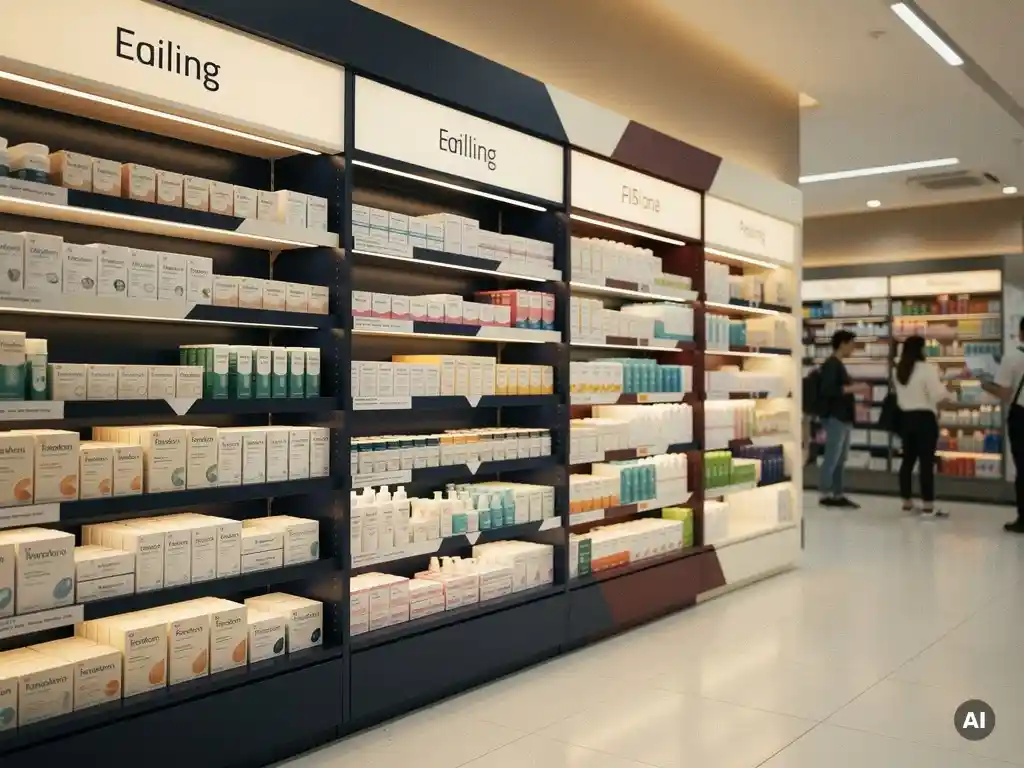
A category-level POS display is a retail fixture or unit designed to present an entire product category rather than a single brand, helping shoppers navigate a defined range of products within one cohesive display environment. Unlike a brand-level unit, it groups complementary products by function, need state, or ingredient type, regardless of which brand manufactured them. The sections below address the most common questions brands and retailers ask before commissioning this type of in-store display.
A category-level POS display organises products around a shopper need or product type, presenting multiple brands or SKUs within a single fixture. A brand-level display, by contrast, is dedicated exclusively to one brand's products and identity. The key distinction lies in ownership of the shopper journey: a category display guides the shopper through a decision, while a brand display drives loyalty to a specific manufacturer.
In practical terms, a category-level point of sale display is typically retailer-led or jointly funded by multiple brand partners. It uses neutral or retailer-aligned design language rather than a single brand's visual identity. The fixture may carry signage that educates the shopper on the category itself, for example, explaining skin concern types in a pharmacy skincare aisle, rather than promoting one brand's claims above another. This approach serves the retailer's goal of increasing category spend and the shopper's goal of making an informed choice.
Category-level retail displays work best for product ranges where shoppers compare options before purchasing, rather than reaching for a habitual brand. High-consideration categories such as skincare, vitamins and supplements, haircare, sports nutrition, and over-the-counter health products are particularly well suited, because the shopper's decision is driven by need or ingredient rather than brand recognition alone.
The format also performs strongly in categories experiencing growth or consumer education challenges. When a new ingredient, format, or health claim is entering the mainstream, a category-level in-store display gives retailers the opportunity to explain the broader range before the shopper narrows their choice. Food and beverage subcategories, such as functional drinks, protein products, or free-from ranges, benefit from this approach for the same reason. Fashion accessories, fragrance, and lifestyle products can also use category-level fixtures effectively when the retailer wants to drive exploration across a curated range rather than direct the shopper towards a single brand.
A brand should consider investing in a category-level point of purchase display when it holds a strong enough position within a category to benefit from increased category traffic, even if that traffic is shared with competitors. If your brand is the category leader or a close challenger, a rising tide of shopper interest in the category as a whole works in your favour.
There are three scenarios where this investment is particularly well justified:
Brands that are category followers, those with lower market share and limited shopper recognition, should weigh the investment carefully, as a category display may direct attention towards better-known competitors positioned on the same unit.
Category-level retail displays are most commonly commissioned by the retailer or by a category captain, the brand appointed by the retailer to manage and develop a given category on their behalf. Funding models vary, but the most common arrangements are full retailer funding, joint industry funding where multiple brand partners contribute, or a lead brand investment in exchange for preferential positioning on the unit.
In pharmacy and health retail environments, category displays are often developed in collaboration between the retailer's buying or merchandising team and the brand's trade marketing function. The retailer defines the category scope and shopper flow requirements; the brand or display design partner translates those requirements into a physical fixture. In some cases, a brand will approach a retailer with a fully costed category display proposal as a means of securing incremental space or improving its position within an existing range review.
Category-level displays require a design approach that prioritises shopper navigation and neutrality over brand expression. The fixture must communicate the category's structure clearly, grouping products by subcategory, need state, or format, without allowing any single brand's visual identity to dominate the overall unit in a way that undermines the retailer's neutrality.
Key design considerations include:
The effectiveness of a category-level point of sale display is measured primarily through category sales uplift, shopper conversion rates, and basket composition data gathered before and after installation. Because the display serves the category rather than a single brand, success metrics should reflect category-level outcomes rather than individual brand performance alone.
Retailers and brand partners typically assess performance across several dimensions:
Where possible, brands should agree measurement criteria and reporting timelines with the retailer before the display goes live. This ensures that both parties are aligned on what success looks like and that the data collected is sufficient to justify future investment.
Pivotal provides end-to-end support for brands and retailers developing category-level point of sale displays, from initial concept and shopper insight through to manufacturing, compliance, and in-store installation. As a full-service retail design partner, Pivotal manages the complete project lifecycle in-house, removing the complexity of coordinating multiple suppliers across a single programme.
If you are planning a category-level display programme and want a partner who can take it from brief to in-store without compromise, contact the Pivotal team to discuss your requirements.