
Retail loss prevention is the combination of strategies, store design choices, and operational controls that reduce inventory loss from theft, error, and fraud. It matters because shrinkage erodes margin on every affected line, and for brands selling through third-party retailers, it also reduces sell-through and weakens the case for continued shelf space.
Loss prevention applies equally to retailers and to the brand owners whose products they stock. The sections below answer the questions most often raised about causes, store layout, displays, active and passive measures, high-theft products, and measurement.
Retail shrinkage is caused primarily by external theft, internal theft, administrative and process errors, and supplier or vendor fraud. Shoplifting is the most visible driver, but operational failures such as mis-scanned items, receiving errors, and damaged goods contribute materially to the total loss figure in most retail environments.
Each cause requires a different response, which is why loss prevention cannot rely on a single tactic:
Understanding which category dominates in a given store or product category is the first step in directing investment where it will have the greatest effect.
Store layout affects theft by determining sightlines, customer flow, and the visibility of vulnerable products. Open layouts with clear lines of sight between the till and the shop floor deter opportunistic theft, while blind spots, cluttered aisles, and remote corners create the concealment opportunities that shoplifters seek.
Several layout principles consistently support loss prevention:
Layout decisions must balance security with the shopper experience. Stores that feel restrictive reduce dwell time and conversion, so the objective is discreet visibility rather than visible suspicion.
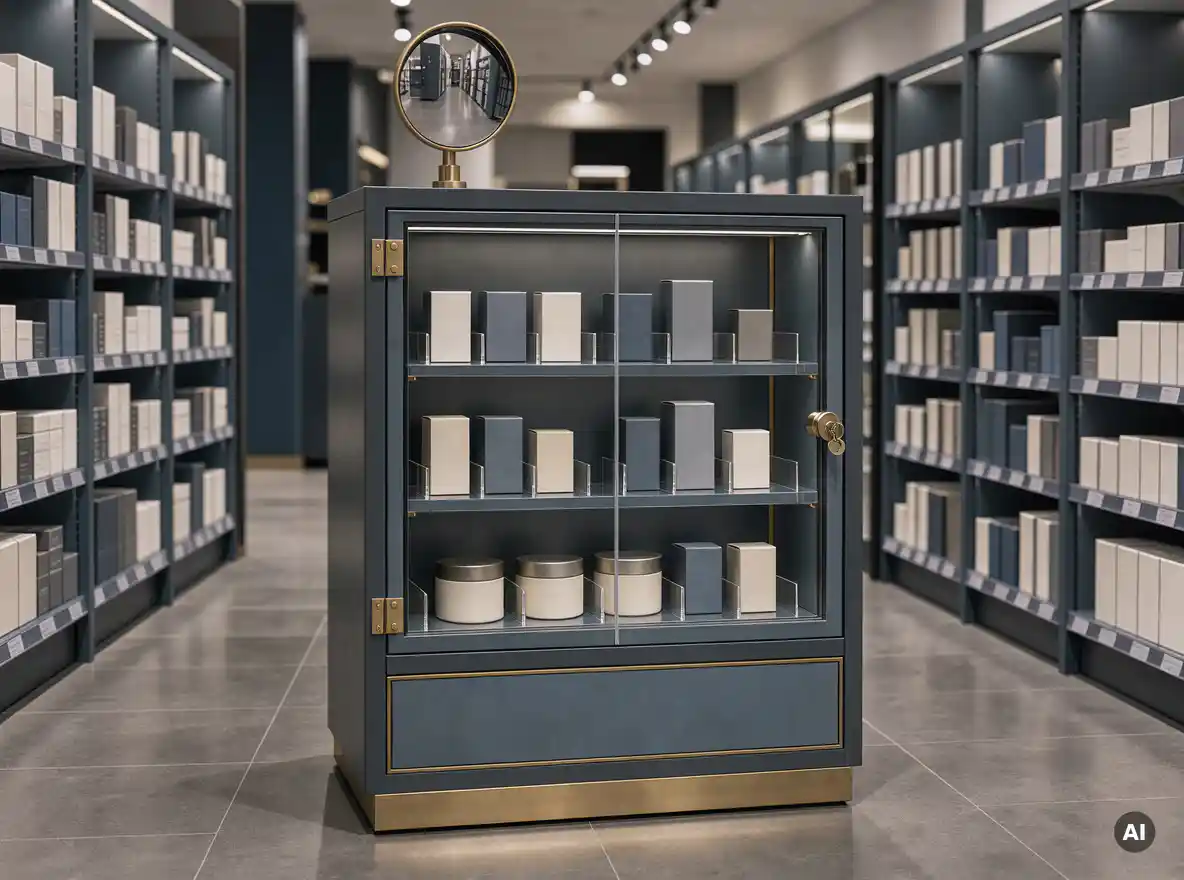
Yes, displays and fixtures prevent shoplifting when they are designed with security in mind from the outset. Features such as controlled access points, limited facings, integrated locking mechanisms, and fixture geometry that discourages sweeping stock into bags all reduce the opportunity for theft without removing the product from view.
Effective security-conscious fixture design typically includes:
The strongest approach integrates protection into the display itself rather than adding security devices afterwards. Bespoke point of sale and fixture design allows brands to protect stock while preserving the visual impact that drives purchase.
Active loss prevention involves direct, visible intervention to stop or deter theft, such as security guards, electronic article surveillance, and CCTV monitoring. Passive loss prevention relies on environmental and design measures, such as layout, fixture design, and packaging, that reduce opportunity without requiring real-time action.
Active measures depend on people and technology responding in the moment. Examples include uniformed or plain-clothes security, tagging systems at exits, staff engagement on the shop floor, and monitored camera systems. These measures provide a strong deterrent and enable response, but they carry ongoing operational cost and require trained personnel.
Passive measures work continuously without intervention. Secure display design, optimised layout, protective packaging, and locked fixtures all lower the likelihood of theft by making it harder or less attractive. Their cost is largely upfront, and they operate around the clock.
The most resilient programmes combine both. Passive design reduces the volume of incidents, and active measures address those that remain.
Brands protect high-theft products by combining secure display design, strategic placement, and protective packaging, and by agreeing these measures with retailers early in the planning process. The aim is to deter theft while keeping the product visible and accessible enough to sustain sales.
Practical steps include:
Brands that treat security as a design requirement, rather than a retailer-only responsibility, protect margin and strengthen their position with retail partners.
Loss prevention is measured by tracking shrinkage rate over time, comparing performance against a baseline, and isolating the effect of specific interventions. A sustained reduction in unexplained stock loss, without a corresponding fall in sales, indicates that measures are effective.
Useful indicators include:
Comparing trial and control locations produces the clearest evidence. Introducing a new secure display in a limited number of stores and benchmarking against comparable stores without it shows whether the investment justifies a wider rollout. Measurement should run for a sufficient period to account for seasonal variation.
Pivotal designs, manufactures, installs, and maintains in-store solutions, which allows loss prevention to be built into the physical environment rather than applied as an afterthought. Every project is handled by one team, from concept through to installation by Pivotal's own employed fitters.
To protect your products and margin with displays engineered for both security and sales performance, contact Pivotal today to discuss your next in-store project.