
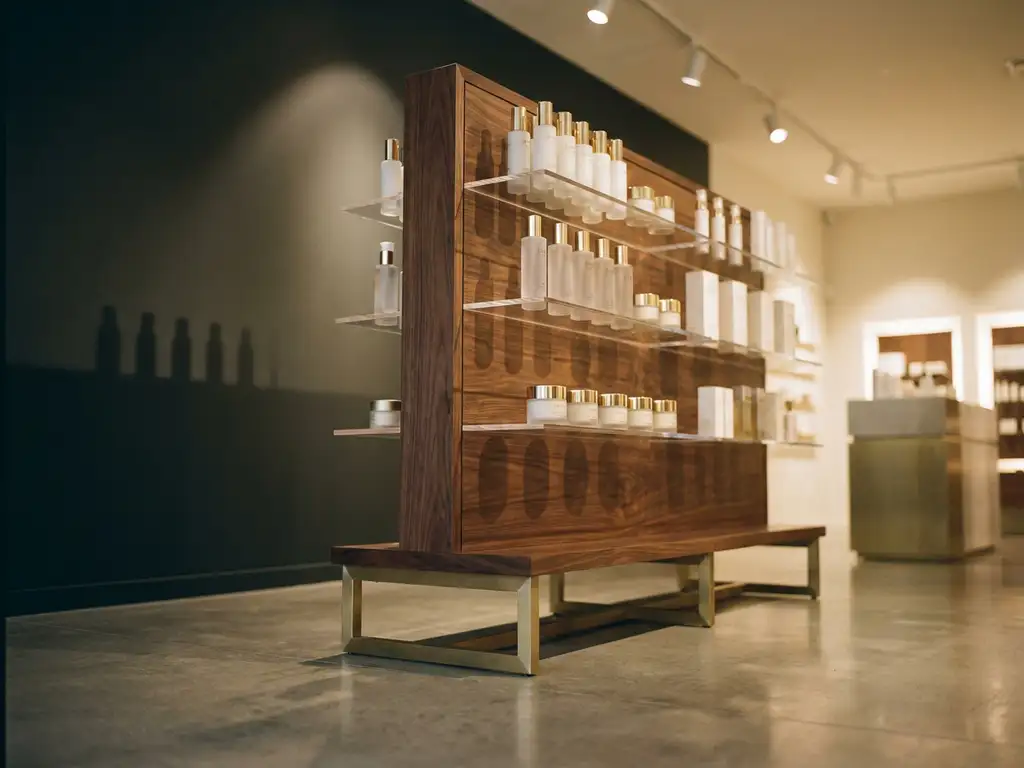
Structural engineering in retail display design is the discipline of applying load-bearing principles, material science, and physical safety standards to the construction of in-store fixtures and point of sale units. It determines how a display is built to withstand real-world conditions — weight, movement, shopper interaction, and repeated installation — without compromising performance or safety. The sections below address the most common questions brands and retail teams raise when commissioning structurally engineered display solutions.
Structural engineering directly determines whether a retail display holds its shape, carries its intended load, and maintains its visual integrity across its full operational lifespan. A display that is not engineered to specification will warp, lean, or fail under the weight of product — undermining both brand presentation and shopper confidence at the point of purchase.
Beyond load-bearing capacity, structural design governs how a display responds to repeated use. Shoppers interact with fixtures constantly — removing products, replacing them, and sometimes applying unintended force. A structurally sound display absorbs this interaction without degrading. Joints remain tight, shelves stay level, and branded graphics remain aligned. In high-traffic retail environments such as pharmacies and department stores, this durability is not optional — it is a commercial requirement.
Structural engineering also affects how efficiently a display can be transported, assembled, and reinstalled. A well-engineered unit is designed with its full lifecycle in mind, from the factory floor to the shop floor and, where applicable, back again for redeployment.
Structurally engineered retail displays draw on a range of materials selected for their load capacity, aesthetic properties, and compatibility with the display's intended environment. The most commonly used materials include acrylic, metal, timber, MDF, and moulded composites — each offering a distinct balance of strength, weight, and finish quality.
Material selection is rarely made in isolation. Structurally engineered displays typically combine two or more materials, with each element chosen for the specific role it plays in the overall assembly.
The key distinction between temporary and permanent retail display engineering lies in the structural specification applied to each. Temporary displays are engineered for a defined, short-term deployment — often weeks or a single campaign period — and prioritise speed of assembly, lightweight construction, and cost efficiency. Permanent displays are built to endure years of continuous use and require a significantly higher structural standard.
Temporary POS display engineering focuses on achieving brand impact within tight material and logistical constraints. Corrugated board, lightweight plastics, and flat-pack formats are common. The structural challenge is ensuring the unit remains stable and visually consistent for its intended duration without over-engineering — which would inflate costs unnecessarily. Temporary displays must also be simple enough for in-store staff to assemble correctly without specialist tools or training.
Permanent retail fixture engineering demands a higher grade of material, more robust jointing methods, and a structural specification that accounts for long-term load, cleaning, and repeated restocking. These units are typically manufactured using metal frames, hardwood or MDF cabinetry, and durable surface finishes. Structural integrity must be maintained not just at installation but across the full operational period — which in pharmacy and beauty retail can extend to several years. Pivotal's portfolio demonstrates the range of structural approaches applied across both categories.
Structural engineers ensure retail display safety by designing fixtures that meet defined load tolerances, resist tipping, and eliminate sharp or exposed elements that could cause injury. Safety is not assessed at a single point — it is built into the engineering specification from the outset and validated through prototyping and testing before any unit reaches the shop floor.
Key safety considerations in retail display structural design include:
A brand should involve structural engineers at the concept stage of display design — not after the creative direction has been finalised. Bringing structural expertise in early prevents costly redesigns, ensures material choices are feasible, and avoids situations where an aesthetically strong concept cannot be physically realised within budget or safety parameters.
The cases where early structural involvement is most critical include:
Involving structural thinking late in the design process is one of the most common causes of project delays, budget overruns, and compromised outcomes in retail display development. The structural brief and the creative brief should be developed in parallel.
Structural engineering supports sustainable retail display design by enabling material efficiency, extending product lifespan, and facilitating end-of-life disassembly. A well-engineered display uses only the material necessary to achieve the required structural performance — reducing waste without compromising integrity. This precision is only achievable when structural analysis informs the design from the start.
Sustainability benefits delivered through structural engineering include:
Pivotal integrates structural engineering directly into its end-to-end retail display design and development process. From initial concept through CAD development, rapid prototyping, and manufacturing, structural performance is assessed and validated at every stage — ensuring that the finished display is safe, durable, and built to specification.
In 2025, Pivotal's in-store engineers visited a store every 34 minutes and installed over 2,000 new retail and brand experiences — a scale of delivery that reflects the operational rigour behind every structural decision. If your brand is developing a new display or refreshing existing fixtures, connect with the Pivotal team to discuss how structural engineering can be built into your brief from the outset.