
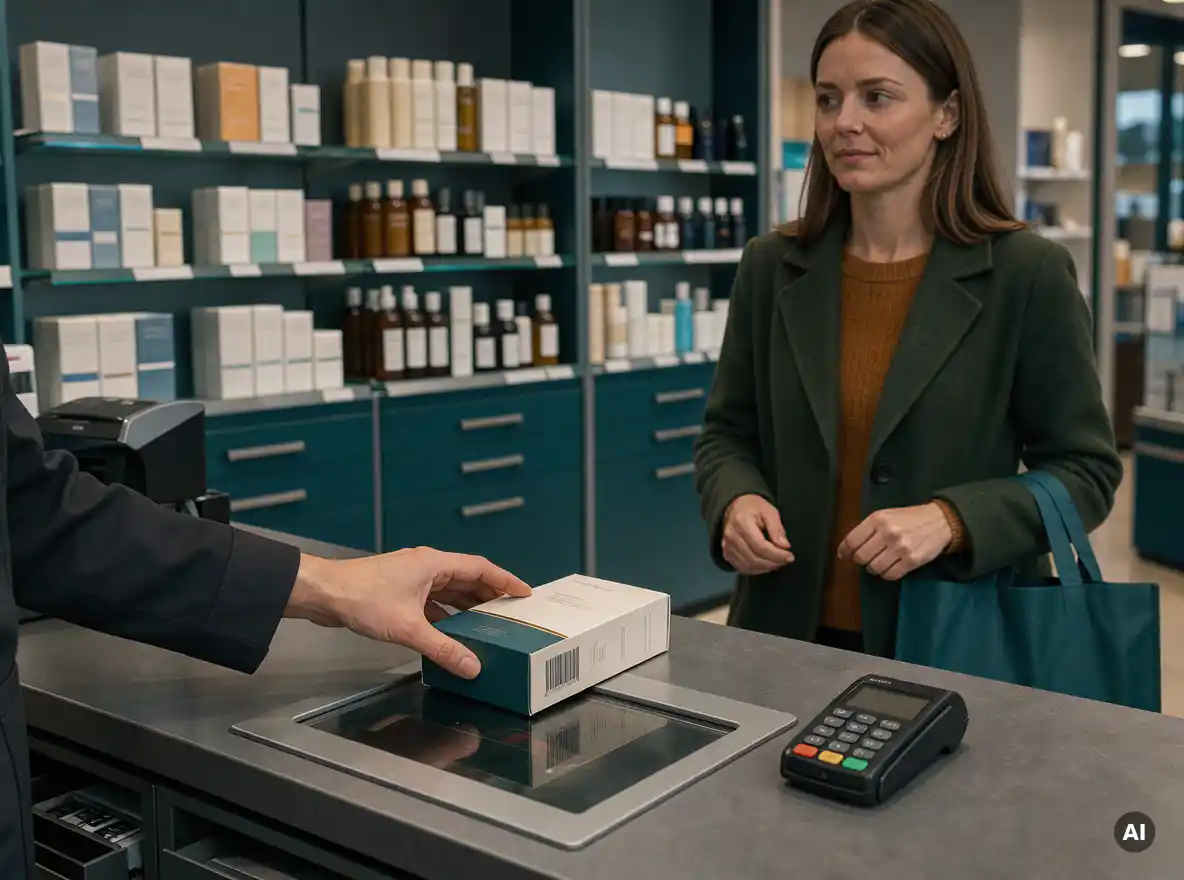
Sweethearting is a form of retail theft in which a cashier deliberately fails to scan items, undercharges for them, or discounts them for friends, family, or accomplices while appearing to process a legitimate transaction. Because the sale looks genuine, the loss often goes unnoticed for months. Retailers detect it through a combination of exception reporting, video analytics, and layout controls, which the sections below explain.
The most common sweethearting methods are skipping the scan on selected items, ringing up a cheaper product in place of the real one, applying unauthorised discounts or coupons, and passing free goods through the till. Each method disguises theft as a routine transaction, which makes it harder to identify than overt shoplifting.
The main techniques include:
Understanding these patterns is the foundation of effective retail loss prevention, because each method leaves a distinct data trace.
Warning signs of sweethearting include abnormally high void or discount rates, repeated service of the same customers, items that appear to bypass the scanner, and a cashier whose till variances differ markedly from colleagues'. Behavioural and transactional indicators together give the strongest evidence.
Point of sale data typically exposes the first anomalies. Managers should examine void frequency, manual price overrides, no-sale drawer openings, and scan rates per minute. A cashier whose scan rate is unusually fast may be skipping items, while one with a disproportionate share of discounted transactions warrants review.
On the shop floor, supervisors should note cashiers who always seem to serve the same shoppers, who angle screens away from view, or who resist rotation to other tills. Sudden friendliness with specific customers, combined with items that are handled but not heard to beep, is a recognised pattern. No single sign proves misconduct, but clusters of indicators justify closer investigation.
Retailers detect sweethearting by matching point of sale transaction data against CCTV footage, using exception-based reporting and video analytics to flag mismatches between items handled and items scanned. Mystery shopper audits and routine till reconciliation then confirm suspected cases before any action is taken.
The principal detection methods are:
Detection works best when systems are integrated. Data alone suggests a pattern; footage supplies the proof that supports disciplinary or legal steps.
Checkout design prevents sweethearting by increasing visibility, restricting unobserved handling of goods, and removing the physical opportunities that make skipped scans easy. Clear sightlines, controlled bagging areas, and well-positioned cameras reduce both opportunity and temptation, which is a core principle of retail loss prevention through environmental design.
Effective design measures include:
Physical fixtures degrade over time, and a damaged or poorly maintained counter can create blind spots that undermine these controls. Regular inspection of checkout units and surrounding displays keeps the design performing as intended.
After catching a cashier, a retailer should secure all evidence, follow a documented disciplinary procedure, and seek HR or legal advice before confronting the employee. Acting consistently and in line with employment law protects the business from unfair dismissal claims and preserves the option of police involvement.
The recommended sequence is:
Retailers should also consider whether the incident reveals wider issues, such as insufficient supervision or inadequate checkout visibility, and address these to prevent recurrence.
Pivotal supports retailers and brands in building in-store environments that deter theft and stay in good working order. Through its Create, Make, Install and Maintain proposition, Pivotal manages the full lifecycle of in-store fixtures, from concept through to on-site installation by its own employed fitters.
To strengthen your store environment against shrinkage, contact Pivotal today to discuss a design and maintenance programme tailored to your estate.