
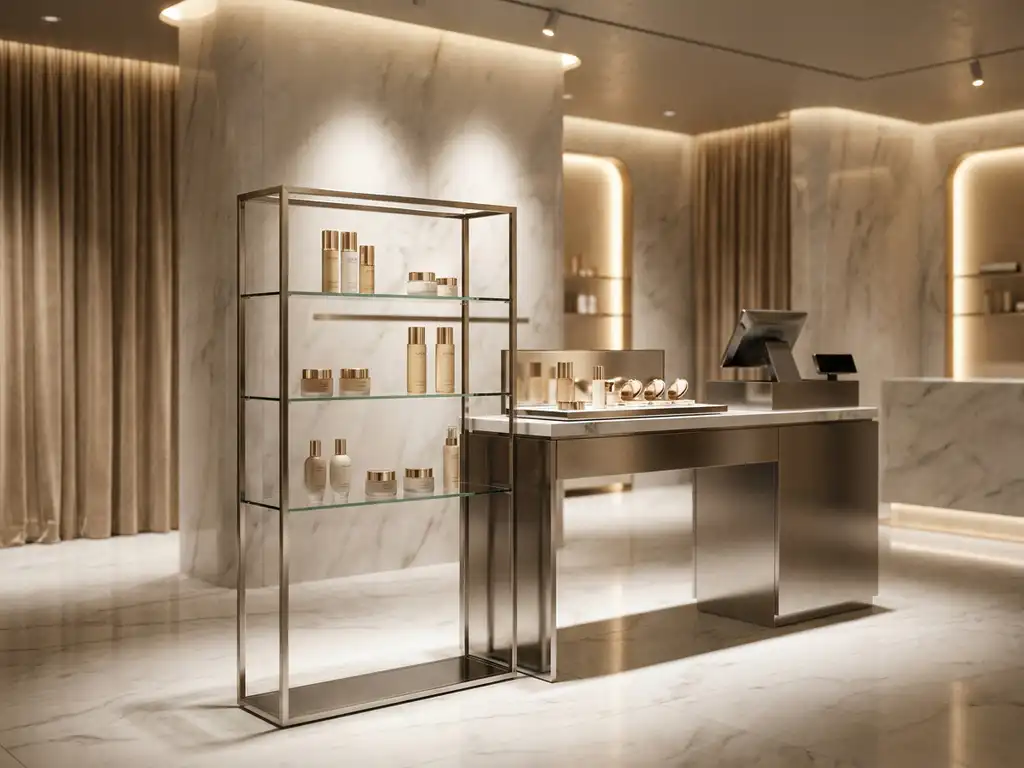
A display unit and a point of sale fixture are related but distinct retail tools. A display unit is a broad term for any structure used to present products or brand messaging within a retail environment. A point of sale fixture is a specific type of display positioned at or near the point of purchase, designed to drive conversion at the moment a buying decision is made. Understanding the distinction matters for brands investing in in-store presence, because choosing the right format directly affects shopper engagement and sales performance. The sections below address the most common questions surrounding these two formats.
The key difference lies in purpose and placement. A point of sale fixture is specifically engineered to influence purchase decisions at the location where a transaction occurs or is imminent. A display unit is a broader category that includes any retail structure used to present products, whether or not it sits near a checkout or purchase point.
A POS fixture is defined by its commercial intent. It is placed strategically, often at till points, aisle ends, or high-traffic junctions, to intercept shoppers at peak decision-making moments. Its design prioritises conversion: clear product visibility, accessible product placement, and brand messaging that reinforces the reason to buy now.
A display unit, by contrast, may serve a wider range of functions. It might be used to educate shoppers about a product range, build brand awareness mid-aisle, or showcase a new collection in a way that invites browsing rather than immediate purchase. The two formats often work together within a single retail environment, with display units building interest and POS fixtures closing the sale.
Retail display units fall into several categories, each suited to different product types, retail environments, and brand objectives. The most common formats include:
The format selected should reflect the retail environment, the product range being displayed, and the duration of the campaign. Permanent fixtures demand higher material quality and structural durability, while temporary in-store displays prioritise rapid deployment and cost efficiency.
Point of sale fixtures are designed to operate at high-conversion locations within a retail environment. The most widely used types include:
In sectors such as pharmacy and health and beauty, branded POS towers and countertop units are particularly prevalent. Brands such as those in skincare and cosmetics rely heavily on well-designed retail POS to differentiate at the point of purchase, particularly in competitive retail environments like Boots or independent pharmacy chains.
Yes. A display unit can function as a point of sale fixture when it is positioned at or near a purchase decision point and is designed to prompt immediate buying behaviour. The distinction between the two is not always structural but often contextual, determined by placement and intent rather than form alone.
A freestanding display unit placed at a checkout, for example, operates as both a display unit and a POS fixture simultaneously. Similarly, a branded countertop unit in a pharmacy that holds a skincare product range near the dispensary counter serves a display function while also acting as a point of purchase display by capturing shoppers at a high-intent moment.
For brands, the practical implication is that the design brief should always account for where the unit will be placed and what shopper behaviour it needs to trigger. A unit designed purely for brand awareness mid-aisle will require different structural and graphic considerations than one intended to convert at the checkout. When both functions are required from a single unit, the design must balance both objectives without compromising either.
A brand should prioritise a display unit over a POS fixture when the primary objective is brand education, product discovery, or range presentation rather than immediate conversion. Display units are the stronger choice when a product requires explanation, when a brand is entering a new retail environment, or when a large product range needs to be merchandised cohesively.
Consider the following scenarios where a display unit is the more appropriate investment:
POS fixtures, by contrast, are the stronger choice when the product has high impulse appeal, when a promotional mechanic needs to be communicated quickly, or when the retail partner has limited floor space but can offer till-point or end-cap positioning. In practice, the most effective retail strategies deploy both formats in a coordinated way, using display units to build interest and POS fixtures to convert it.
In the UK, retail fixtures and display units are designed and manufactured by specialist retail design companies that offer end-to-end project management, from initial concept through to on-site installation. The most capable partners handle the full project lifecycle in-house, combining design, CAD, prototyping, manufacturing, and installation under one roof.
When evaluating a UK supplier for retail display projects, brands should assess the following criteria:
Brands that work with a single, integrated partner rather than coordinating across multiple agencies benefit from greater consistency, faster turnaround, and clearer accountability across the entire project.
Pivotal is a UK-based, full-service retail design company that creates, manufactures, and installs bespoke display units and point of sale fixtures for brands operating across physical retail environments. With over 2,000 retail and brand experiences installed in 2025 and in-store engineers visiting a store every 34 minutes, Pivotal delivers at scale without compromising on quality or creative precision.
Whether a brand needs a countertop POS unit for a pharmacy launch or a freestanding display for a department store rollout, Pivotal manages the full process as a single, accountable partner. To discuss a brief or explore what is possible for an upcoming campaign, get in touch with the Pivotal team.