A flagship store is a brand's largest, most premium retail location that represents the full scope of its identity and product range. A concept store, by contrast, is an experiential retail space built around a theme, lifestyle, or idea rather than product volume. The key difference lies in purpose: flagship stores project brand authority and scale, while concept stores prioritise experimentation and emotional engagement. The sections below explore each format in detail and address the questions brands most commonly ask when deciding between the two.
A flagship store is a brand's premier physical retail location, distinguished from standard outlets by its scale, design investment, and strategic positioning. Where a regular store focuses on transactional efficiency, a flagship exists to define and communicate the brand at its highest expression. It is typically located in a high-footfall, high-profile location and carries the full product range alongside exclusive or premium offerings.
Flagship stores serve a dual commercial function. They generate direct revenue while simultaneously acting as a brand marketing asset. The physical experience they deliver shapes consumer perception across all other touchpoints, including smaller stores, wholesale accounts, and digital channels. Investment in a flagship is, in effect, investment in brand equity at scale.
From a design perspective, flagship stores demand a higher standard of in-store execution. Every fixture, display, and material choice communicates something about the brand's values and positioning. Retailers operating flagship locations typically commission bespoke retail display solutions rather than adapting generic formats, because the flagship must reflect a standard no other location can replicate.
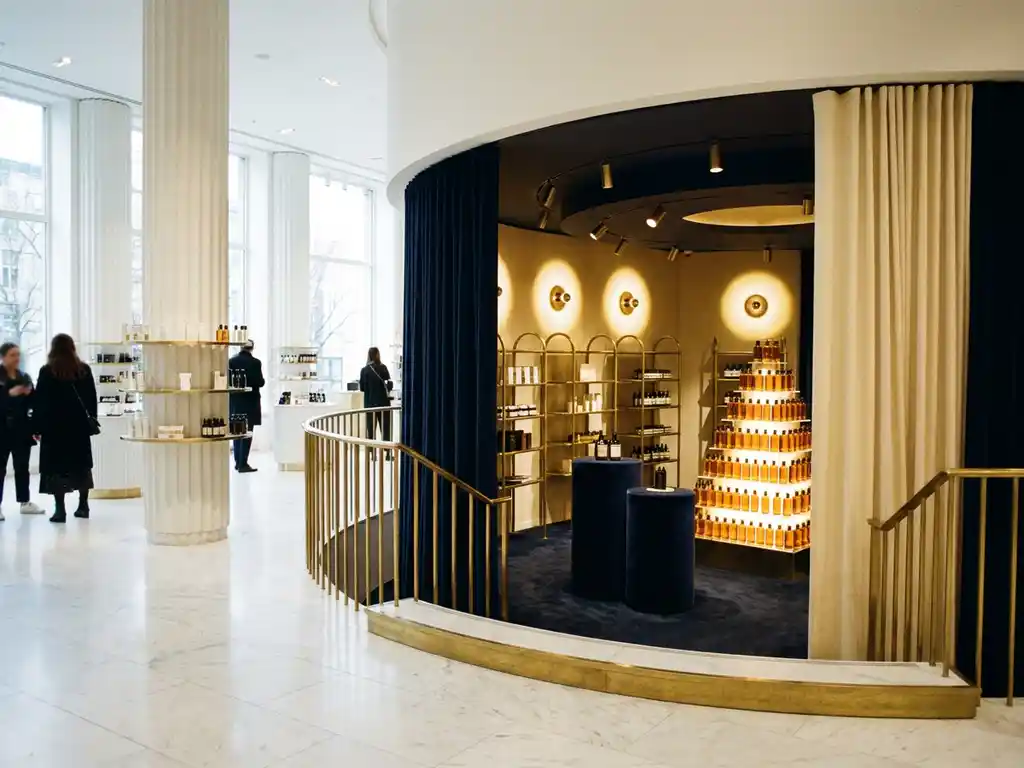
A concept store is a retail format built around a curated theme, lifestyle proposition, or experimental idea rather than a comprehensive product catalogue. The store's identity is defined by the experience it creates, not the breadth of what it sells. Concept stores often carry a carefully edited product selection that aligns with a specific aesthetic or cultural position, and the physical environment is designed to immerse the shopper in that world.
Unlike traditional retail formats, concept stores are frequently used as testing grounds. Brands and retailers use them to trial new product categories, explore emerging consumer behaviours, or validate a new market positioning before committing to a wider rollout. This makes the concept store a commercially strategic tool as much as a creative one.
The in-store environment is central to what makes a concept store work. Shoppers visit not only to purchase but to experience something distinct. This places significant demands on retail design, requiring environments that are visually compelling, spatially considered, and capable of communicating a coherent narrative from the moment a customer enters.
The core difference between a flagship store and a concept store is one of intent. A flagship store communicates brand authority and completeness, presenting the brand at its most established and comprehensive. A concept store communicates brand curiosity and innovation, presenting the brand at its most experimental and curated. One asserts; the other explores.
This distinction has direct implications for retail design. Flagship stores typically require permanence, consistency, and a design language that can scale across a large footprint. Concept stores require flexibility, distinctiveness, and an environment that can evolve as the concept matures or changes. The materials, fixtures, and spatial planning used in each format reflect these different priorities.
From a commercial standpoint, flagship stores are measured against revenue, footfall, and brand halo effect. Concept stores are often measured against engagement metrics, dwell time, and the quality of consumer insight they generate. Both formats are valuable, but they serve different stages of brand strategy and require different approaches to physical retail execution.
Yes, a store can function as both a flagship and a concept store simultaneously. This hybrid approach is increasingly common among brands that want to combine the authority of a flagship location with the experiential depth of a concept format. When executed well, the result is a retail environment that projects brand leadership while actively engaging shoppers through curated, immersive experiences.
Several premium and luxury brands have adopted this model, particularly in major urban retail destinations. The store carries the full weight of brand representation expected from a flagship while incorporating rotating installations, themed environments, or experimental product zones associated with concept retail. The challenge lies in maintaining coherence between the two formats, ensuring the experimental elements enhance rather than dilute the brand's core identity.
Achieving this balance depends heavily on the quality of the in-store design. The spatial planning, fixture design, and material selection must accommodate both the permanence of flagship retail and the adaptability that concept formats require. Brands pursuing this hybrid model benefit from working with a design and manufacturing partner capable of delivering both the structural integrity of permanent fixtures and the creative flexibility of modular or temporary display solutions.
For launching a new brand or product line, a concept store format is generally the more strategically sound choice. It allows a brand to test market response, refine the retail proposition, and build consumer awareness without the capital commitment and operational complexity of a full flagship environment. The concept store's inherent flexibility makes it well suited to the iterative nature of a launch phase.
A concept store launch also generates media attention and consumer curiosity more reliably than a standard retail opening. The editorial quality of a well-designed concept environment creates organic visibility through press, social channels, and word of mouth, all of which are disproportionately valuable during the early stages of a brand's retail presence.
That said, an established brand launching a major new product line may choose a flagship environment to signal scale and confidence from the outset. The decision depends on the brand's existing market position, the nature of the product being launched, and the commercial objectives behind the launch. In either case, the physical retail environment must be designed with precision, because first impressions in a launch context carry long-term consequences for brand perception.
In-store design differs between flagship and concept stores primarily in terms of permanence, scale, and narrative focus. Flagship store design prioritises consistency, durability, and the comprehensive communication of brand identity across a large retail footprint. Concept store design prioritises originality, atmosphere, and the delivery of a specific experiential narrative, often within a more compact or time-limited environment.
Flagship environments require robust, high-specification fixtures and fittings that can sustain heavy footfall over extended periods. Materials are chosen for longevity and premium appearance. The design language must be scalable and coherent across the entire store floor, ensuring that every zone reinforces the same brand positioning. Bespoke joinery, metalwork, and architectural display systems are common features in flagship retail design.
Concept store design demands creative agility. Fixtures and displays may be modular, temporary, or designed for a specific campaign period. The emphasis is on visual impact and the ability to communicate a theme or story quickly and memorably. Materials may be more experimental, and the spatial arrangement is often unconventional, designed to surprise and engage rather than to guide shoppers through a predictable journey.
Both formats reward investment in design quality, but the nature of that investment differs. Brands that understand these distinctions are better positioned to brief their retail design partners effectively and to achieve environments that deliver on both commercial and experiential objectives.
Pivotal is a full-service retail design company that supports brands across both flagship and concept store projects, managing the entire process from initial concept through to on-site installation. In 2025, Pivotal's in-store engineers visited a store every 34 minutes and installed over 2,000 new retail and brand experiences, reflecting the scale and operational capability behind every project.
For brands navigating the distinction between flagship and concept store design, Pivotal offers:
Whether the project is a permanent flagship environment or a time-limited concept store activation, Pivotal delivers the creative precision and manufacturing capability to bring it to life. Connect with Pivotal to discuss your next retail design project.