A POS campaign is a time-limited, single-execution activation designed to support a specific commercial moment, such as a product launch or seasonal promotion. A POS programme, by contrast, is a structured, ongoing framework of coordinated retail display activity delivered across multiple cycles or store environments. The distinction matters because the two serve different strategic purposes, and choosing the wrong model can result in wasted investment or missed brand-building opportunities. This article unpacks both formats and clarifies when each is the right choice.
A POS campaign is a defined, short-term activation that deploys point of sale materials, such as display units, shelf-edge graphics, dump bins, or promotional fixtures, to support a specific commercial objective within a fixed timeframe. It is typically scoped around a single event, product launch, or seasonal moment, and is designed to generate immediate shopper response at the point of purchase.
In practice, a POS campaign usually includes a creative brief, concept development, material production, and in-store installation, all executed within a tight window. The display materials are produced in a single run and removed or replaced once the campaign period ends. Campaigns are often reactive, triggered by a promotional calendar, a competitor move, or a new product entering a retail environment.
Common components of a retail POS campaign include:
Because campaigns are time-bound, speed of execution and compliance across store locations are critical success factors. A campaign that arrives late or is installed incorrectly loses its commercial impact entirely.
A POS programme is a planned, multi-phase framework of in-store display activity that operates continuously across a defined period, typically a full retail year or longer. Rather than responding to individual moments, a programme establishes a rolling cadence of display executions aligned to a brand's broader retail strategy, seasonal calendar, and commercial milestones.
Structurally, a POS programme is built around recurring cycles. Each cycle may involve updated creative, refreshed display materials, or new product introductions, but the underlying fixture architecture and brand presence in-store remain consistent. This continuity is what distinguishes a programme from a collection of disconnected campaigns.
A well-structured programme begins with an annual or seasonal planning phase, during which the brand, its retail partners, and the display supplier agree on the schedule of activations, material specifications, and compliance requirements. This planning stage often includes shopper insight review, category analysis, and retailer range reviews to ensure each cycle is commercially grounded.
Within a programme, production is typically batched and scheduled in advance, reducing lead times and unit costs compared to one-off campaign production. Rollouts are coordinated across multiple store locations simultaneously, with in-store display installation managed as a repeating, logistically planned operation rather than a reactive exercise. This structure allows brands to maintain consistent shelf presence and brand standards across their entire retail estate throughout the year.
The key difference between a POS campaign and a POS programme is duration and strategic intent. A campaign is a single, time-limited activation built around one objective. A programme is an ongoing, structured framework that sustains brand presence in-store across multiple cycles and commercial moments. The two differ in scope, investment model, and the type of brand outcome they deliver.
The following distinctions are worth understanding clearly:
Neither format is inherently superior. The right choice depends on the brand's commercial objectives, retail footprint, and the nature of the product category in question.
A brand should choose a POS campaign when the commercial objective is tied to a specific, time-sensitive moment, such as a product launch, a seasonal promotion, a retailer-exclusive activation, or a response to a competitor move. Campaigns are the right tool when speed, focus, and a defined return on a single investment are the priorities.
Campaigns are also appropriate when a brand is entering a new retail environment for the first time and needs to test display formats, shopper response, or retailer compliance before committing to a longer-term programme. In this sense, a campaign can serve as a proof of concept that informs a future programme strategy.
Situations where a campaign is typically the better choice include:
Where the brand's retail presence is episodic rather than continuous, campaigns are the more commercially efficient choice. They concentrate resource and creative investment at the moments that matter most.
Yes, a POS campaign and a POS programme can and frequently do operate in parallel. In practice, many brands run a structured programme as the backbone of their in-store marketing strategy, then layer individual campaigns on top to amplify specific commercial moments within that framework. This combined approach delivers both sustained brand presence and targeted activation at key retail peaks.
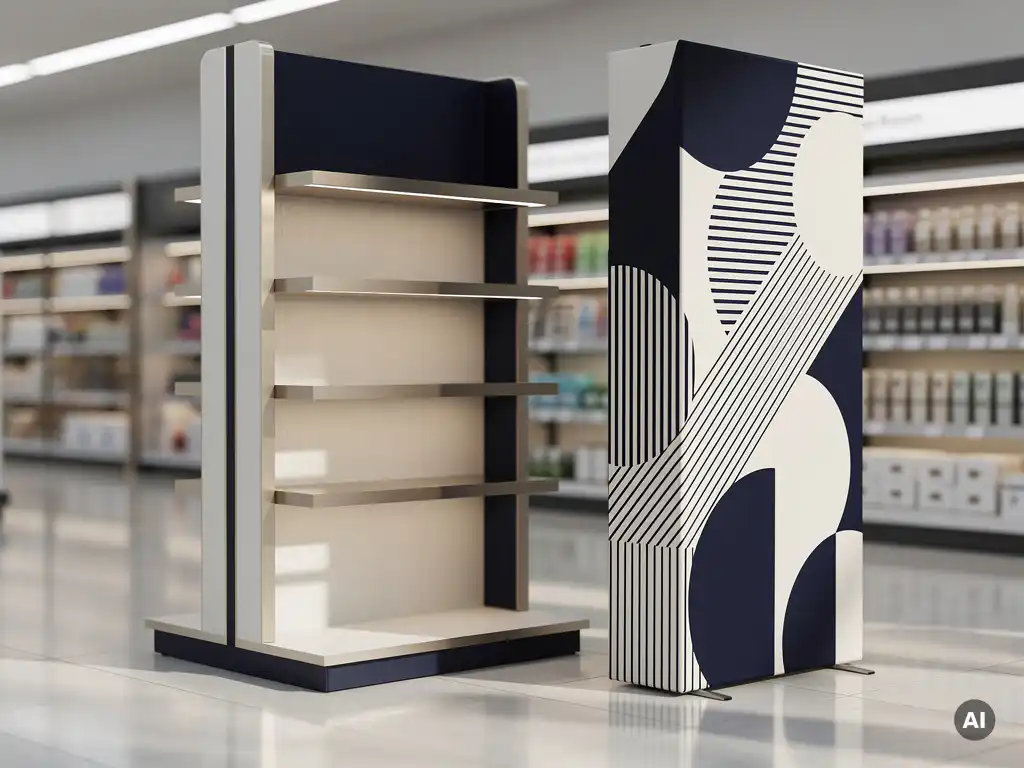
Within a programme structure, campaigns function as planned intensification points. For example, a brand maintaining a semi-permanent fixture programme across a pharmacy estate might introduce a campaign-specific display unit or updated graphic panel during the peak gifting season, then revert to the standard programme execution once the window closes. The programme provides the consistent brand environment; the campaign creates the moment of heightened shopper attention.
This integrated model offers several commercial advantages:
The most effective in-store marketing strategies treat campaigns and programmes as complementary tools, not alternatives. The programme builds the platform; the campaign drives the moment.
Pivotal provides end-to-end support for both POS campaigns and ongoing retail display programmes, operating as a single partner across the full project lifecycle. Whether a brand requires a rapid campaign execution or a structured annual programme, Pivotal's capabilities cover every stage from concept and CAD through to manufacturing, compliance, and installation.
In 2025 alone, Pivotal's in-store engineers visited a store every 34 minutes and installed over 2,000 new retail and brand experiences, a scale of delivery that reflects the operational depth behind every campaign and programme the business supports. To discuss how Pivotal can structure a POS campaign or programme around your brand's retail objectives, get in touch with the team today.