
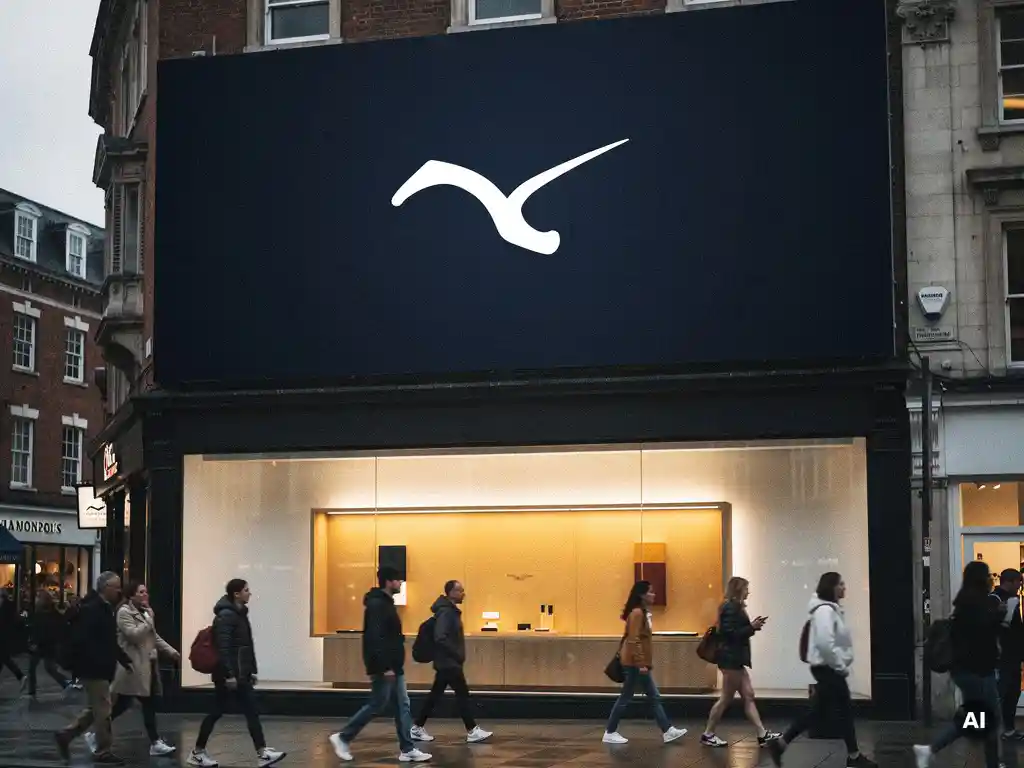
Above-the-line (ATL) marketing and point of sale (POS) marketing are fundamentally different in scope, placement, and purchase-stage influence. ATL marketing operates through broad-reach channels, television, radio, print, and digital advertising, designed to build brand awareness at scale. POS marketing, by contrast, activates at the physical moment of purchase, converting that awareness into a buying decision directly on the shop floor.
For brand owners and marketing directors managing retail presence, understanding where each channel operates, and how they complement one another, is essential to building a coherent, conversion-focused strategy. The questions below unpack each channel in detail and clarify how they work together across the full purchase journey.
Above-the-line marketing reaches consumers through mass media channels that broadcast a brand message to a wide, largely undifferentiated audience. These channels include television commercials, radio advertising, national press, outdoor billboards, and digital display campaigns. The defining characteristic of ATL marketing is that it is not targeted at a specific individual, it is designed to build brand recognition across a broad population.
The reach of ATL marketing makes it particularly effective during the early stages of the consumer decision-making process. A television campaign for a skincare brand, for example, plants the product in the consumer's mind long before they enter a pharmacy. That awareness creates a foundation, a brand preference or recognition, that can then be activated when the shopper encounters the product in-store.
ATL campaigns are typically high in cost and broad in impact, making them the domain of mid-to-large brands with sufficient budget to justify mass-market exposure. The return on investment is measured in brand equity, recall, and long-term consumer perception rather than immediate transactional outcomes.
Point of sale marketing encompasses all branded materials, displays, and fixtures positioned within a retail environment at or near the location where a purchasing decision is made. This includes freestanding display units (FSDUs), shelf-edge strips, countertop displays, promotional stands, branded fixtures, and in-store signage. POS marketing is a form of below-the-line activity, operating at a granular, product-specific level.
Effective POS marketing does more than present a product, it communicates brand identity, highlights promotional offers, guides shopper navigation, and reinforces the messaging consumers have already encountered through ATL channels. In sectors such as beauty, health, and wellness, where purchase decisions are often made in-store rather than in advance, the quality and design of POS materials directly influences conversion.
The scope of POS marketing extends beyond printed graphics. Permanent fixtures, bespoke display units, and interactive retail environments all fall within this category. The physical, tactile nature of in-store display creates a brand experience that digital advertising cannot replicate, one that connects with shoppers at the precise moment they are ready to buy.
Above-the-line marketing influences the awareness and consideration stages of the purchase journey, while point of sale marketing operates at the decision and conversion stages. ATL channels introduce a brand to consumers and build familiarity over time. POS marketing activates that familiarity at the moment of purchase, prompting the shopper to choose one product over another on the shop floor.
In a structured marketing funnel, these two channels occupy distinct but interdependent roles. A consumer may first encounter a brand through a television advertisement, develop a preference through repeated exposure, and then confirm that preference, or switch to a competitor, based on what they encounter in-store. Without strong POS execution, ATL investment can fail to convert at the final stage.
This is particularly relevant in high-competition retail environments such as pharmacy chains, supermarkets, and department stores, where multiple brands compete for attention within the same fixture bay. The quality, visibility, and design of in-store displays at the point of sale can be the decisive factor in whether a consumer picks up a product or walks past it.
The key distinction between above-the-line and below-the-line marketing is the audience and measurability of the activity. Above-the-line marketing targets a broad, mass audience through paid media channels and is primarily aimed at brand building. Below-the-line marketing, which includes point of sale, direct mail, sponsorship, and in-store promotions, targets specific audiences or purchase moments with more measurable, action-oriented outcomes.
ATL marketing is characterised by high reach and lower targeting precision. A national television campaign reaches millions of viewers, the majority of whom may not be in the market for the advertised product at that moment. Below-the-line activity, by contrast, is deployed where the audience is already engaged, in a store, at a product shelf, or within a specific retail environment.
The term "through-the-line" (TTL) is increasingly used to describe integrated strategies that deliberately connect ATL and BTL activity, ensuring that brand messaging developed in mass media is consistently expressed and activated at the point of purchase. For brands operating across both channels, TTL thinking is the standard for coherent retail marketing.
Yes, and for most consumer brands operating in physical retail, using ATL and POS marketing together produces significantly stronger commercial outcomes than either channel in isolation. ATL marketing builds the brand recognition that makes shoppers receptive to in-store displays. POS marketing converts that receptiveness into a purchase. When the two channels are aligned in messaging, visual identity, and timing, they create a consistent brand experience that reinforces consumer confidence at every touchpoint.
A common failure in retail marketing is investing heavily in ATL campaigns without ensuring that the in-store experience matches the promise made in advertising. If a consumer sees a premium brand portrayed on television and then encounters a poorly designed or absent display in-store, the disconnect undermines the entire campaign. The reverse is also true, outstanding POS execution for a brand with no ATL presence must work harder to build trust from scratch.
For brand owners managing product launches, seasonal promotions, or range refreshes, coordinating ATL and POS activity around the same campaign window maximises the impact of both investments. The in-store environment becomes the final, physical expression of the brand story told through mass media.
The effectiveness of point of sale marketing is measured through a combination of sales uplift data, compliance tracking, shopper engagement metrics, and retailer-reported performance. The most direct measure is sales performance at locations where POS materials have been installed, compared against baseline sales figures or control locations without the display activity.
Key measurement approaches include:
Measurement is most robust when POS campaigns are planned with clear KPIs from the outset, before installation begins. Defining what success looks like, which stores are included, and what data will be collected ensures that the campaign generates actionable insight, not just anecdotal feedback.
Pivotal is a full-service retail design partner that takes brands from concept through to in-store installation, ensuring that POS marketing performs as intended at every location. For brand owners and marketing directors seeking to align their ATL investment with a compelling physical retail presence, Pivotal provides:
If your brand is preparing a product launch, seasonal campaign, or fixture refresh and you need a reliable partner to deliver the in-store experience, contact Pivotal to discuss your requirements.