
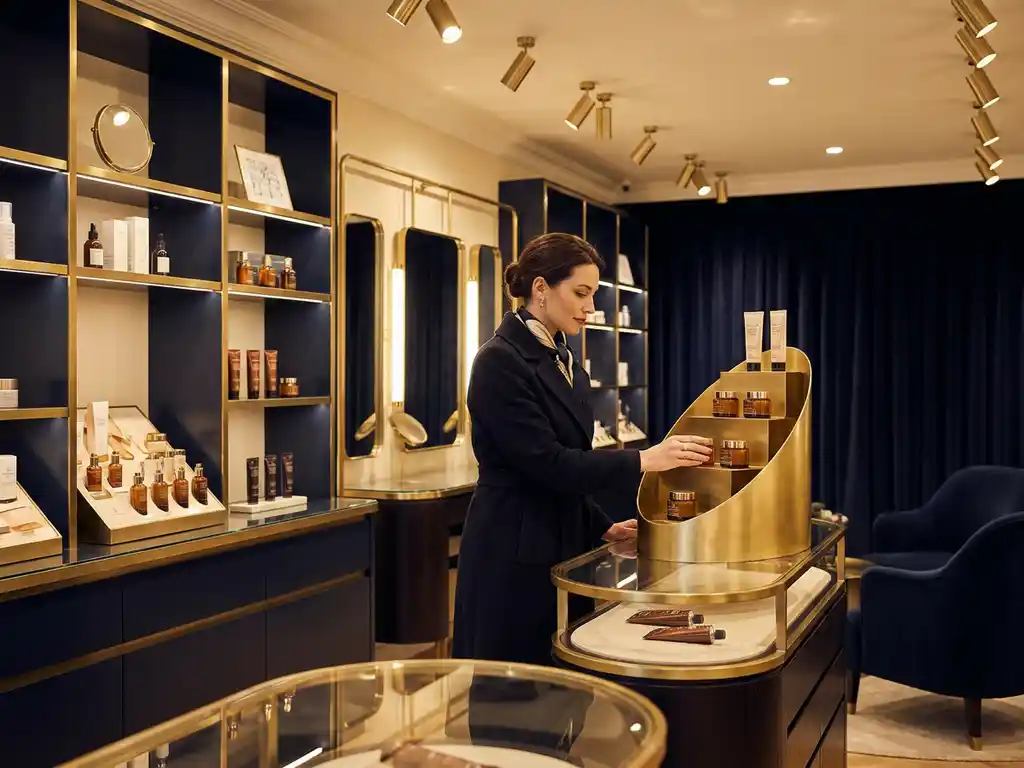
The store environment has a direct and measurable impact on brand perception. The physical space in which a product is presented communicates quality, values, and positioning before a shopper reads a single word of copy. For brand owners and marketing directors operating in physical retail, the in-store environment is not a backdrop — it is an active component of brand communication. The sections below address the most important questions surrounding store environment and brand perception, from the elements that carry the most weight to the risks of poor execution.
Store environment shapes brand perception by creating sensory and emotional associations that inform how shoppers judge a brand's quality, credibility, and relevance. The physical retail environment communicates brand values through materials, lighting, layout, and display design — often before any conscious evaluation takes place. Shoppers form impressions rapidly, and those impressions are difficult to reverse once established.
The relationship between physical environment and brand perception is rooted in the way people process their surroundings. A well-designed in-store experience signals investment, care, and brand confidence. Conversely, a cluttered, poorly maintained, or visually inconsistent environment implies the opposite — regardless of the product's actual quality.
For brands selling through third-party retailers, this dynamic carries particular weight. When a product sits within a shared retail space such as a pharmacy or department store, the brand's own fixtures, displays, and point of sale materials become the primary vehicle for communicating identity. The store environment a brand creates around its products is, in many cases, the most powerful brand touchpoint available to it at the moment of the purchase decision.
The elements of store design with the greatest impact on brand perception are visual hierarchy, material quality, spatial organisation, lighting, and consistency of brand identity across all touchpoints. These factors work collectively to create a coherent in-store experience that either reinforces or undermines the brand's positioning in the shopper's mind.
Visual hierarchy determines where a shopper's eye travels first and how naturally they move through a space or engage with a display. Effective retail display design guides attention deliberately, leading shoppers from awareness to interest to consideration without friction. Poorly structured layouts create confusion and reduce dwell time, which directly diminishes the opportunity for brand engagement.
The materials used in fixtures and displays carry significant communicative weight. Premium finishes, considered textures, and quality construction signal brand value at a subconscious level. A display built with care and precision tells a shopper that the brand behind it operates to the same standard. This is particularly relevant in sectors such as beauty, wellness, and lifestyle, where brand positioning is closely tied to perceptions of quality and aspiration.
Consistency across all in-store elements — from permanent fixtures to temporary promotional displays — reinforces brand identity and builds recognition over time. When individual elements are misaligned in colour, tone, or design language, the cumulative effect is a fragmented brand experience that erodes trust. Shoppers may not consciously identify the inconsistency, but they will feel it.
Permanent retail displays establish long-term brand presence and reinforce consistent identity within a retail environment, while temporary displays are designed to drive short-term engagement, highlight specific products, or support promotional campaigns. Both influence brand perception, but they do so across different timeframes and with different strategic objectives.
Permanent fixtures are typically associated with a brand's core range and are designed to integrate seamlessly into the retail environment. They communicate stability and investment, which contributes positively to brand credibility. When executed well, a permanent display becomes a recognisable brand asset within the store — a space shoppers associate with a particular brand experience.
Temporary displays, by contrast, create moments of interruption and excitement. They are used to launch new products, support seasonal campaigns, or drive trial and conversion within a defined window. The risk with temporary displays is that poor quality or inconsistent execution can actively damage the brand perception that permanent fixtures have worked to build. A promotional display that looks rushed or cheap introduces doubt about the brand's standards.
The most effective in-store brand strategies deploy both formats in a coordinated way — using permanent fixtures to anchor brand identity and temporary displays to create energy and relevance at key commercial moments.
Poor in-store execution damages brand perception by creating a gap between what a brand promises and what shoppers actually experience at the point of purchase. Damaged fixtures, missing signage, incorrect product placement, and inconsistent display quality all signal a lack of attention and investment — qualities that shoppers transfer directly to their assessment of the brand itself.
The damage is often disproportionate to the cause. A shopper who encounters an empty display bay, a broken fixture, or a promotional unit that has been poorly assembled is unlikely to attribute the problem to a logistics failure or a retail partner. The brand takes the reputational hit because it is the brand's name that appears on the display.
Compliance is therefore a critical component of in-store brand management. Ensuring that displays are installed correctly, maintained to standard, and refreshed in line with campaign timelines is not a logistical detail — it is a brand protection measure. In 2025, Pivotal's in-store engineers visited a store every 34 minutes, reflecting the scale of commitment required to maintain display standards across a national retail estate. That level of operational presence is what separates brands that consistently deliver strong in-store experiences from those that do not.
Brands can measure the impact of store environment on perception through a combination of shopper research, sales performance data, compliance auditing, and controlled testing of display concepts before full rollout. No single metric captures the full picture, but together these approaches provide actionable insight into how the physical retail environment is influencing shopper behaviour and brand evaluation.
The most rigorous approach combines pre-launch testing with post-installation measurement, creating a feedback loop that continuously improves the quality and effectiveness of the in-store environment over time.
Pivotal delivers end-to-end retail display design and development for brands that understand the commercial value of a well-executed physical retail environment. From initial concept through to manufacturing, installation, and ongoing compliance, Pivotal manages every stage of the process — removing the complexity that comes with coordinating multiple suppliers and ensuring that what is designed is what shoppers actually see in store.
For brands seeking a partner that treats in-store execution as a strategic priority rather than a production task, connect with Pivotal to discuss your next retail display project.