
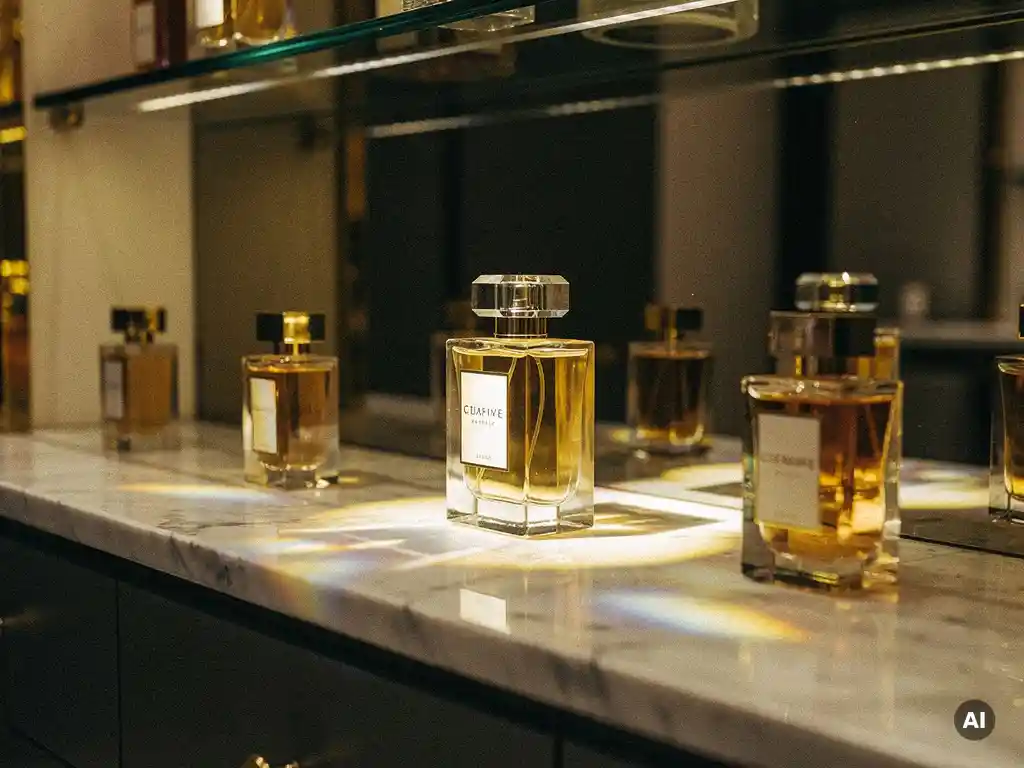
Lighting plays a direct and decisive role in shaping retail brand identity. The way a store is lit communicates brand values, quality, and personality before a single product is touched or a word is read. For retail brands operating physical stores, lighting is not a finishing detail; it is a core design decision that shapes shopper perception, drives dwell time, and reinforces the visual language of the brand at every touchpoint. The sections below address the most important questions brands and retailers face when approaching in-store lighting strategy.
Retail lighting directly influences how long shoppers stay, what they notice, and how they feel about a brand. Well-designed in-store lighting guides attention, creates emotional comfort, and signals the quality tier of a retail environment. Poorly considered lighting does the opposite; it creates discomfort, flattens product appeal, and shortens the time shoppers are willing to spend browsing.
The relationship between lighting and shopper behaviour operates on both a conscious and subconscious level. Brighter, cooler light in a space tends to increase alertness and encourages faster movement through a store. Warmer, dimmer light slows shoppers down and creates a sense of intimacy that is well suited to premium or lifestyle retail. Retailers who understand this dynamic use lighting intentionally to match the pace and mood they want to create in different parts of the store.
Lighting also affects perceived product quality. A product displayed under high-quality, directional light appears more premium than the same product under flat, diffuse illumination. This is particularly relevant in categories such as beauty, fashion, and food, where visual appeal is central to the purchase decision.
Retail store design typically incorporates four core types of lighting: ambient, accent, task, and decorative. Each serves a distinct function, and effective retail lighting design uses all four in combination to create a layered, purposeful environment that supports both the brand and the shopper journey.
Most successful retail environments layer these types deliberately, with each category of lighting serving a specific role in the overall visual merchandising strategy. The proportions and priorities shift depending on the retail sector, the brand positioning, and the store format.
Colour temperature, measured in Kelvin, directly shapes how shoppers perceive both products and the brand environment. Warm white light (2700K to 3000K) creates an inviting, premium atmosphere suited to luxury, beauty, and lifestyle retail. Cool white or daylight light (4000K to 6500K) projects clarity, efficiency, and modernity, making it more appropriate for technology, grocery, or pharmacy environments.
The choice of colour temperature is a brand decision as much as a technical one. A heritage fashion brand using cool fluorescent lighting sends a conflicting message to its target audience. Conversely, a pharmacy or health retailer using excessively warm lighting may undermine the clinical trust it needs to establish. Consistency between colour temperature and brand values is essential for a coherent retail brand experience.
Colour rendering index (CRI) is equally important alongside colour temperature. CRI measures how accurately a light source renders the true colours of products. In beauty, food, and fashion retail, a high CRI, typically 90 or above, is critical to ensuring that products look as intended, which directly supports purchase confidence and reduces returns.
Ambient lighting provides general, even illumination across a retail space, while accent lighting is targeted and directional, used to highlight specific products, displays, or zones. The key distinction is purpose: ambient lighting ensures the store is functional and navigable, while accent lighting creates emphasis, drama, and visual hierarchy within the retail environment.
In practice, ambient lighting is often delivered through ceiling-mounted fixtures, recessed downlights, or diffused panels that spread light evenly. Accent lighting is typically delivered through spotlights, track lighting, or directional LEDs that concentrate light on a specific area or object, such as a hero product, a promotional display, or a brand installation.
The relationship between the two determines the contrast ratio in a store. A high contrast between ambient and accent light creates drama and draws the eye strongly to featured products. A lower contrast produces a more uniform, calm environment. Luxury retailers tend to favour high contrast to create theatre around key products, while mass-market retailers often prioritise even ambient light to maximise overall product visibility.
Lighting should be calibrated to the purpose and desired shopper behaviour in each distinct zone of a store. Entrance zones benefit from brighter, welcoming light that eases the transition from outside and immediately communicates brand tone. Browsing zones require a balance of ambient and accent light that encourages exploration without visual fatigue. Conversion zones, where purchase decisions are made, demand high-quality, product-accurate lighting that builds confidence.
Fitting rooms and trial areas deserve particular attention. These spaces often receive less design investment than the shop floor, yet they are where the final purchase decision is made. Lighting that flatters and accurately represents how a product will look in real-world conditions significantly improves conversion and reduces returns.
Promotional and seasonal display zones should be designed with flexible accent lighting that can be redirected or adjusted as campaigns change. Static lighting in high-turnover display areas limits the retailer's ability to maintain visual impact across different product cycles. Building adaptability into the lighting plan from the outset is a practical and commercially sound decision.
Retail lighting can absolutely be sustainable without compromising brand identity or visual quality. LED technology has advanced to the point where it delivers exceptional colour rendering, precise colour temperature control, and long operational life, all while consuming significantly less energy than legacy lighting formats. For retail brands with sustainability commitments, LED-based lighting design is now the industry standard rather than a compromise.
Sustainability in retail lighting extends beyond the choice of light source. Smart lighting controls, including occupancy sensors, daylight harvesting, and programmable dimming, reduce energy consumption during low-traffic periods without affecting the shopper experience during peak hours. These systems also give retailers granular control over how different zones are lit throughout the trading day, enabling a more responsive and efficient operation.
For brands communicating sustainability as part of their identity, the lighting specification itself can become a proof point. Communicating the use of low-energy, long-life lighting systems as part of a store's design narrative reinforces brand values in a tangible, credible way, something increasingly important to environmentally conscious shoppers in 2026.
Pivotal works with brands and retailers to create in-store environments where every element, including lighting, is designed to serve both the brand and the shopper. As a full-service retail design partner, Pivotal brings together creative, technical, and manufacturing expertise to deliver bespoke display and fixture solutions that integrate lighting strategy as a core component of the overall retail experience.
For brands looking to strengthen their physical retail presence through considered design and purposeful lighting, Pivotal provides the end-to-end capability to bring that vision to life. Contact the Pivotal team to discuss how your next in-store project can be elevated through expert retail display and lighting design.
There is no universal figure, but lighting is generally considered to warrant between 5% and 15% of a store fitout budget, depending on the retail sector and brand positioning. Premium and luxury retailers often invest at the higher end of this range because lighting has a direct and measurable impact on perceived product value and conversion. Rather than treating lighting as a line item to be trimmed, brands that approach it as a revenue-influencing design decision tend to see stronger returns on their overall fitout investment.
The most frequent mistakes include relying on a single layer of flat ambient light with no accent or directional elements, choosing colour temperature based on cost rather than brand fit, and treating lighting as an afterthought once fixtures and displays are already in place. Another common error is neglecting fitting rooms and trial areas, which are arguably the most commercially critical zones in a store. Integrating lighting into the design process from the earliest stage, rather than retrofitting it at the end, avoids the majority of these issues.
Key indicators include shorter-than-expected dwell times, high return rates in categories where colour or finish accuracy matters, and customer feedback that the store feels uninviting or clinical. A practical starting point is to photograph your displays under current lighting and compare them against your brand's visual guidelines and campaign imagery — inconsistencies are often immediately apparent. If products look noticeably different in-store than they do in marketing materials or online, the lighting specification is likely misaligned with your brand standards.
Yes, and it should be. Temporary retail formats, including pop-ups, shop-in-shop activations, and event installations, benefit from portable, flexible lighting solutions such as track systems, battery-powered spotlights, and clip-mounted directional LEDs that can be set up quickly without fixed infrastructure. The principles of layered lighting, colour temperature alignment, and accent-to-ambient contrast apply equally to temporary formats, and getting them right in a short-term activation can have an outsized impact on brand impression given the typically high-footfall, high-visibility nature of these environments.
This is an increasingly important consideration as more retailers integrate digital screens, LED panels, and interactive displays into their store environments. Ambient light that is too bright can wash out screen visibility, while overly dim environments can make screens feel disconnected from the physical space around them. The key is to design the lighting and digital elements together, calibrating screen brightness and surrounding illumination levels so that both read clearly and cohesively. A retail design partner with experience across both physical and digital display formats is well placed to manage this integration effectively.
A full lighting review is recommended whenever a brand undertakes a significant store redesign, refreshes its visual identity, or changes its core product range. Beyond major resets, a practical approach is to conduct a lighting audit annually, checking for lamp degradation, colour temperature drift, and alignment with current visual merchandising priorities. Smart lighting systems with programmable controls make ongoing adjustments significantly easier, allowing brands to fine-tune zone lighting in response to seasonal campaigns or trading data without the need for a full refit.
Look for a partner that integrates lighting into the design process from the outset rather than treating it as a separate specification to be resolved later. The ability to manage creative, technical, and manufacturing workstreams under one roof is a significant advantage, as it ensures that lighting decisions are made in the context of the full display and fixture design rather than in isolation. Experience with brands in your retail sector, a track record of delivering in high-footfall environments, and a clear approach to sustainability in materials and specification are all strong indicators of a partner equipped to deliver a coherent, commercially effective result.