Texture and material are functional design decisions in retail display design, not decorative afterthoughts. The physical properties of a display surface directly influence how shoppers perceive a product, how long they engage with a fixture, and ultimately whether they make a purchase. For brand owners and marketing directors investing in in-store presence, understanding how material choices translate into commercial outcomes is essential.
The questions below address the most important considerations around retail display materials and texture, from foundational principles through to sustainability and design strategy.
Texture and material in retail display design influence shopper behaviour by triggering tactile and visual responses that shape perceptions of product quality, brand credibility, and purchase confidence. A rough, natural surface communicates authenticity; a smooth, lacquered finish signals premium positioning. These cues operate before a shopper consciously evaluates the product itself.
Physical retail environments engage multiple senses simultaneously. When a display surface invites touch, whether through a brushed metal edge, a warm timber veneer, or a soft-touch coating, it extends the time a shopper spends at the fixture. Dwell time is directly correlated with conversion, making tactile retail experience a measurable commercial lever rather than a purely aesthetic concern.
Material weight and rigidity also communicate stability and permanence. A heavy, well-constructed fixture implies that a brand has invested in its in-store presence, reinforcing trust at the point of sale. Conversely, a flimsy or visually inconsistent display can undermine even the strongest brand messaging.
The most commonly used retail display materials include acrylic, timber and MDF, metal, foamex, and cardboard, each selected based on the display's purpose, location, longevity, and budget. No single material dominates across all contexts; the right choice depends on the brief.
In practice, most retail fixture materials combine two or more of these, using each where its properties are most advantageous. A display might use a metal frame for structural integrity, an MDF body for shaping and painting, and an acrylic header for illuminated branding.
Material choice reinforces brand identity at the point of sale by making the brand's values and positioning tangible. A brand that communicates luxury, sustainability, or clinical precision must express those values through the physical properties of its display, not just through graphics and copy.
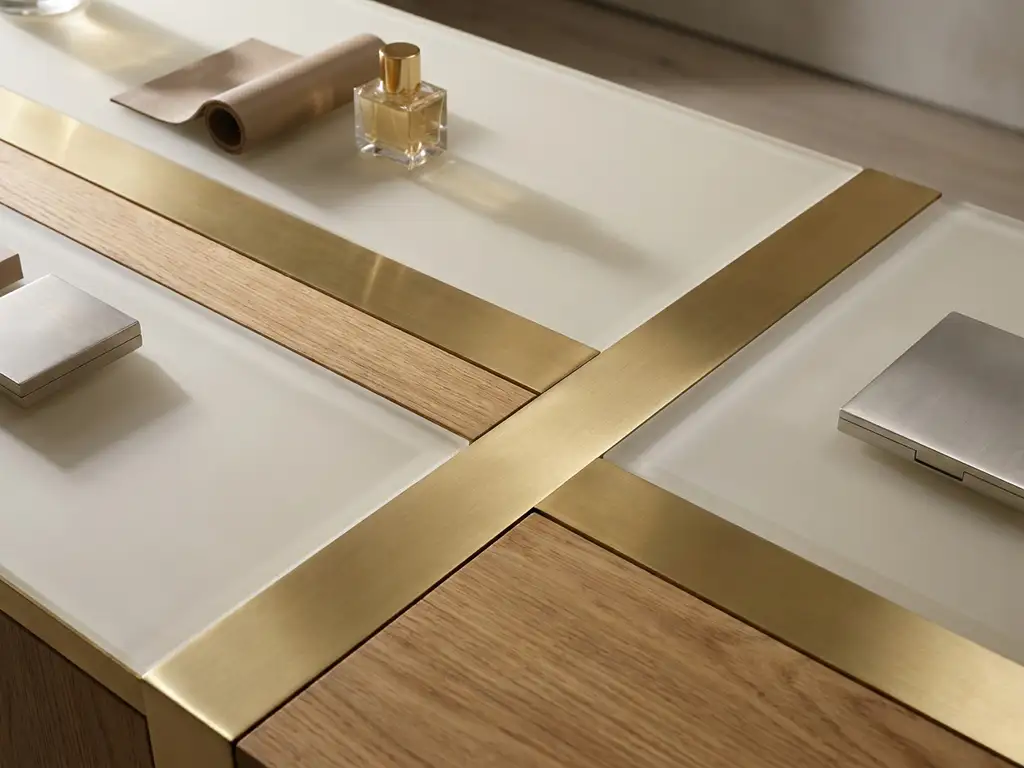
Consider a premium skincare brand placing a display in a department store. Polished stone-effect surfaces, brushed brass metalwork, and soft-touch finishes communicate exclusivity and refinement before a single word is read. The same product presented on a generic white MDF unit sends an entirely different brand signal, regardless of how strong the packaging design is.
Consistency between packaging material language and display material language is particularly important. When a product is packaged in recycled kraft card and the display uses virgin plastic components, there is a visible contradiction that informed shoppers will notice. Aligning POS display materials with the broader brand material vocabulary strengthens coherence and trust at the point of purchase.
Permanent retail displays are built from durable materials designed to withstand high-traffic environments over months or years, while temporary displays use lighter, lower-cost materials intended for short-term campaigns, seasonal promotions, or product launches. The distinction drives fundamentally different material specifications.
Permanent fixtures typically use metal frameworks, solid timber or MDF construction, high-grade acrylic, and durable laminates. These materials are selected for resistance to wear, ease of cleaning, and structural stability. The higher upfront material cost is justified by the extended lifespan and reduced replacement frequency. Permanent displays are common in pharmacy, beauty, and fashion retail environments where brand presence is consistent year-round.
Temporary POS display materials prioritise cost efficiency, speed of production, and ease of installation and removal. Corrugated cardboard, foamex, lightweight aluminium extrusions, and digitally printed substrates are standard choices. These materials allow brands to respond quickly to promotional calendars, seasonal campaigns, or new product launches without the lead time and investment of a permanent installation.
The practical implication for brand owners is that the two categories require separate briefing, budget allocation, and design considerations. Conflating them, such as expecting temporary display durability from a cardboard unit, leads to in-store compliance failures and brand presentation issues.
Sustainable materials are now a standard consideration in retail display design, not an optional upgrade. Brand owners and retailers face increasing pressure from both consumers and retail partners to demonstrate environmental responsibility across their in-store activity, including the materials used in fixtures and displays.
Sustainable retail display materials include FSC-certified timber, recycled and recyclable acrylic, water-based finishes, biodegradable substrates, and modular systems designed for reuse and reconfiguration rather than single-use disposal. The key principle is reducing material waste across the full lifecycle of the display, from production through to end-of-life.
Sustainability in retail fixture materials also intersects with commercial efficiency. Modular display systems that can be reconfigured for different campaigns reduce the volume of new material required per activation. Durable materials that extend fixture lifespan reduce the frequency of replacement. These outcomes benefit both environmental performance and long-term budget management.
Brands operating in health, beauty, and wellness sectors, where sustainability credentials are a core part of brand positioning, have particular reason to ensure their in-store display materials align with their wider environmental commitments.
Texture should be a primary design decision when it directly communicates brand values, differentiates the fixture at the point of sale, or drives shopper engagement through touch. It becomes a finishing detail when the display's primary function is graphic communication and the surface treatment is secondary to the visual message.
In premium and lifestyle categories, texture is frequently a leading design driver. A beauty brand positioning around natural ingredients might specify raw stone textures, unfinished timber, or woven natural materials as the dominant surface language of its display. Here, texture is not decoration; it is the primary carrier of brand meaning.
In promotional and FMCG contexts, where speed, volume, and price point govern decisions, texture is more commonly a finishing consideration. The display exists to communicate an offer or product clearly, and surface texture plays a supporting role in visual hierarchy rather than a leading role in brand storytelling.
The practical test is straightforward: if removing the texture from the design would materially change how shoppers perceive the brand or product, it is a primary decision. If it would simply make the display look slightly less refined, it is a finishing detail. Both are legitimate design strategies, but they require different levels of investment and specification at the brief stage.
Pivotal is a full-service retail display design company that works with brand owners and marketing directors to translate brand strategy into physical in-store experiences. When it comes to material and texture decisions, Pivotal's capabilities span the entire project lifecycle:
For brands looking to strengthen their in-store presence through considered material and texture design, Pivotal provides the expertise and manufacturing capability to move from brief to installed display without the complexity of managing multiple suppliers. Get in touch with Pivotal to discuss your next retail display project.