
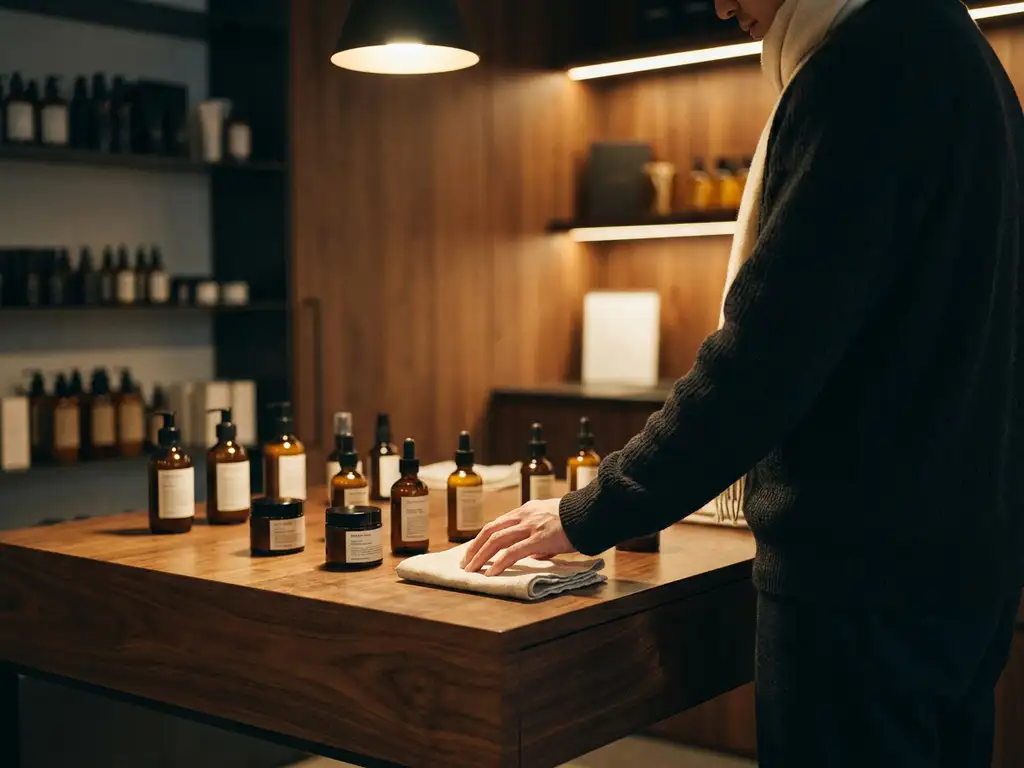
Customers remember certain store experiences more than others because those visits trigger a stronger emotional or sensory response. Memory is not formed equally — the brain prioritises experiences that feel distinctive, emotionally resonant, or personally relevant. For brands and retailers, this is not a passive outcome; it is something that can be deliberately designed into the physical retail environment.
A physical shopping experience sticks in memory when it engages multiple senses, creates an emotional response, or breaks from the expected. The brain encodes experiences more deeply when they feel novel, meaningful, or surprising. Routine visits to unremarkable environments leave little impression, while stores that stimulate curiosity, comfort, or delight create lasting associations.
Retail psychology research consistently points to a combination of factors: sensory stimulation, spatial design, staff interaction, and the ease or pleasure of navigating a space. When these elements align with a shopper's expectations of a brand, the experience reinforces identity and builds long-term loyalty. When they exceed those expectations, the visit becomes a reference point that shoppers return to and share.
For brand owners and retail experience managers, this has a direct commercial implication. A shopper who remembers a brand encounter is far more likely to return, recommend, and convert again. The memory of the store experience does not end at the exit; it travels with the customer and influences future purchasing decisions.
In-store design directly shapes what shoppers notice, how long they dwell, and what they recall after leaving. Layout, lighting, material choices, colour, and the placement of displays all guide attention and create subconscious impressions. Thoughtfully designed environments communicate brand values before a single word is read or a product is touched.
Shoppers process physical environments rapidly and largely unconsciously. The visual hierarchy of a space tells them where to look and what matters. When design is deliberate, it directs the shopper's journey and ensures the most important brand moments receive the most attention. When design is absent or inconsistent, the experience becomes forgettable by default.
Material quality also plays a significant role. Shoppers associate the tactile quality of fixtures and displays with the quality of the products they hold. A premium material finish signals a premium brand; a poorly constructed display undermines product credibility regardless of packaging. This is why in-store design must be treated as an extension of brand identity, not a logistical afterthought.
Point-of-sale displays create stronger brand recall because they appear at the precise moment a purchasing decision is being made. Positioned in high-traffic areas or directly adjacent to the product, a well-executed point of sale display captures attention when the shopper is already primed to engage. This proximity to the decision moment makes the impression significantly more durable.
Unlike general store design, a POS display is a concentrated brand statement. It communicates product benefits, reinforces visual identity, and can introduce an element of theatre or storytelling that elevates the brand above its shelf neighbours. When a display is distinctive enough to prompt a second look or a moment of consideration, it has done its job.
The effectiveness of point-of-sale displays also relates to contrast. In a retail environment filled with competing stimuli, a display that uses unexpected form, bold graphics, or interactive elements stands out from the visual noise. That contrast is what the brain registers as worth encoding. Brands that invest in creative, well-crafted POS materials consistently outperform those relying on standard shelf placement alone.
Emotion is the primary driver of memory formation in retail environments. Experiences that generate a positive emotional response, whether that is delight, discovery, comfort, or inspiration, are encoded more deeply and retrieved more readily than neutral ones. Shoppers do not primarily remember what they bought; they remember how the experience made them feel.
This is grounded in how memory works. Emotionally charged experiences activate a stronger neurological response, which means they are stored with greater clarity and durability. In a retail context, this translates directly to brand preference. A shopper who felt genuinely engaged or inspired during a store visit associates that feeling with the brand, not just the location.
Negative emotions are equally powerful, but in the opposite direction. A frustrating layout, an uninspiring display, or a disconnect between a brand's marketing and its in-store reality creates a negative emotional imprint that erodes trust. For brands operating in competitive retail environments, emotional neutrality is not a safe position; it is simply forgettable.
The most memorable retail environments tend to share three characteristics: they have a strong, coherent identity; they offer something the shopper cannot experience elsewhere; and they make the shopper feel that the space was designed with them in mind. Department stores, specialist beauty retailers, and flagship brand spaces consistently score highly on shopper recall because they invest in these qualities.
Pharmacy and health retail environments have become increasingly significant in this regard. As shoppers seek trusted guidance alongside product choice, brands that create clear, well-designed in-store zones within these environments benefit from both practical utility and emotional reassurance. The design signals expertise and care, which are powerful emotional anchors for a health-conscious consumer.
Temporary and promotional environments, such as those created for product launches or seasonal campaigns, can also achieve high memorability precisely because of their limited duration. The sense of exclusivity and the visual distinctiveness of a well-executed temporary display make it a reference point for shoppers. Brands that treat these moments as strategic investments rather than short-term necessities consistently see stronger shopper engagement outcomes.
Brands can design memorable in-store experiences by starting with a clear understanding of the emotional response they want to create, then engineering every physical element of the space to support that response. This means treating layout, materials, display design, lighting, and graphics as a unified system rather than independent decisions. Consistency across these elements is what creates a coherent, memorable experience.
Specificity matters. Generic display solutions produce generic results. Bespoke design, developed with a brand's identity and target shopper in mind, creates the differentiation that drives recall. Brands should also consider the full journey through a retail environment, identifying the moments where shopper attention is highest and ensuring those moments carry the strongest brand expression.
Sustainability is increasingly part of what makes a retail experience feel credible and considered. Shoppers and retail partners alike are attentive to material choices and environmental responsibility. A display that communicates quality and sustainability simultaneously speaks to values that resonate with today's shopper in a way that purely aesthetic solutions cannot match.
Pivotal is an end-to-end retail design partner that helps brands translate identity into physical in-store experiences shoppers remember. From initial concept through to manufacturing and installation, Pivotal manages the full project lifecycle, removing the need for multiple agencies and ensuring design intent is preserved at every stage.
For brands looking to create in-store experiences that shoppers genuinely remember, the starting point is a conversation. Connect with Pivotal to discuss how bespoke retail design can strengthen your in-store presence and drive lasting brand recall.