
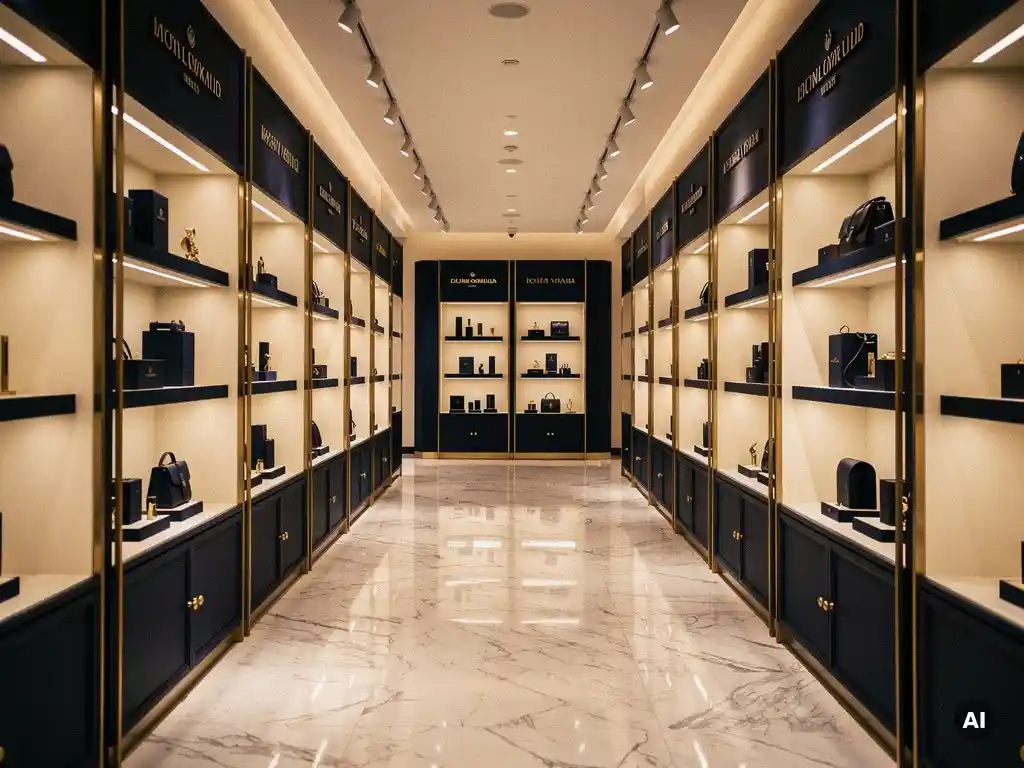
In-store brand consistency is important for UK retailers because it directly shapes how shoppers perceive, trust, and engage with a brand at the moment of purchase. When every touchpoint in a physical store communicates the same identity, from fixtures and graphics to product presentation and signage, shoppers experience a coherent brand world that reinforces confidence and drives conversion. The sections below address the most common questions retailers ask when evaluating their in-store brand standards.
Inconsistent branding erodes shopper trust by creating a fragmented experience that signals a lack of care or professionalism. When a shopper encounters mismatched graphics, outdated point-of-sale materials, or poorly maintained fixtures, the implicit message is that the brand does not value its own presentation and, by extension, its customers. Trust is built through repetition and coherence, and physical retail is no exception.
The effect is compounded in multi-location environments. A shopper who visits one branch and encounters a polished, well-organised store, then visits another and finds inconsistent signage or poorly positioned displays, loses confidence in the brand as a whole. That inconsistency can accelerate the decision to switch to a competitor or revert to online alternatives where the brand experience is more predictably controlled.
For brand owners, the stakes are particularly high at the fixture level. Permanent and temporary displays that deviate from approved brand guidelines, whether through incorrect colour, poor material quality, or misaligned messaging, can undermine significant investment in above-the-line marketing. The in-store environment must reinforce, not contradict, the brand identity a shopper has already been exposed to.
The key elements of in-store brand consistency are visual identity, material standards, messaging hierarchy, fixture design, and compliance with brand guidelines across all store touchpoints. Together, these elements ensure that every shopper interaction communicates the same brand values, regardless of which store they visit or which product category they engage with.
Retailers who treat these elements as a system rather than isolated components are far better positioned to deliver a consistent brand experience at scale.
Multi-location retailers struggle to maintain consistent branding primarily because of the operational complexity involved in coordinating design, manufacturing, logistics, and installation across many sites simultaneously. Without a centralised process and a single accountable partner managing the end-to-end workflow, brand standards degrade at each handoff point.
Several structural challenges contribute to this difficulty. Regional teams may adapt or substitute materials when approved stock is unavailable. Installation quality varies when different contractors are used across locations. Graphic updates are rolled out at different speeds, leaving some stores running outdated promotional messaging while others have already transitioned. Each of these gaps compounds over time.
The absence of robust compliance monitoring is another significant factor. Retailers without a structured audit process have limited visibility into how brand standards are being applied at store level. By the time inconsistencies become apparent through customer feedback or senior leadership visits, the reputational impact has already occurred.
Centralising the design-to-installation process under a single partner with national reach and employed installation teams is one of the most effective ways to close these gaps. It removes the coordination risk that sits between design approval and physical execution in-store.
Brand consistency in stores directly impacts sales performance by strengthening shopper confidence, reducing decision friction, and increasing the effectiveness of promotional displays. When a store environment is coherent and well executed, shoppers spend more time engaging with products and are more likely to convert at the fixture.
The commercial logic is straightforward. A shopper who recognises a brand's visual language immediately feels oriented and reassured. That recognition reduces the cognitive effort required to navigate the category and evaluate options, which shortens the path to purchase. Conversely, a disorganised or inconsistent fixture creates hesitation and can cause shoppers to disengage entirely.
Promotional uplift is also directly tied to display quality and brand coherence. A well-designed, brand-consistent point-of-sale unit draws attention, communicates the offer clearly, and reinforces the brand's authority within the category. A poorly executed or off-brand display achieves the opposite: it may even reduce confidence in the product it is meant to promote.
For retailers managing multiple locations, the cumulative effect of consistent brand execution across an entire estate is substantial. Incremental improvements in conversion rate and basket size, multiplied across hundreds of stores, translate into material revenue gains that are directly attributable to in-store brand standards.
Point-of-sale design plays a central role in brand consistency because POS materials are among the most visible and frequently updated brand touchpoints in a physical store. Every display unit, shelf talker, header card, and promotional stand communicates brand identity at the precise moment a shopper is making a purchase decision.
Effective POS design goes beyond aesthetics. It must balance brand expression with commercial function, drawing the eye, communicating the offer, and guiding the shopper towards a clear action. When POS design is developed within a coherent brand framework, it amplifies the broader in-store identity. When it is produced inconsistently or without reference to brand standards, it creates visual conflict that undermines the overall experience.
The material and structural quality of POS also signals brand values. A premium skincare brand that invests in high-specification acrylic displays and precision-finished graphics communicates quality before the shopper has even read a word of copy. A budget execution of the same product tells a contradictory story. Aligning POS design with brand positioning is not a cosmetic consideration: it is a commercial one.
UK retailers can audit and improve their in-store brand consistency by conducting structured store visits against a defined brand standards checklist, identifying the most common points of deviation, and implementing a centralised process for design, production, and installation that removes the operational gaps where inconsistency enters.
A practical audit process should cover the following areas:
Once the audit is complete, retailers should prioritise remediation by impact, addressing the deviations most visible to shoppers first. More importantly, the audit findings should inform a structural improvement to the process itself. Recurring inconsistencies rarely stem from isolated errors; they indicate a systemic gap in how brand standards are communicated, produced, and enforced across the estate.
Pivotal is a full-service retail design partner that manages the entire journey from concept to installation, giving UK retailers and brand owners a single point of accountability for in-store brand consistency. In 2025, Pivotal's in-store engineers visited a store every 34 minutes and installed over 2,000 new retail and brand experiences, a scale of operation that reflects genuine national capability, not a theoretical service offer.
Working with Pivotal means brand standards are maintained at every stage of the process:
If inconsistent in-store execution is costing your brand at the fixture, contact Pivotal to discuss how a structured, end-to-end approach can raise brand standards across your entire retail estate.
The timeline depends on the size of the estate, the scope of changes required, and whether a phased or simultaneous rollout is planned. A structured phased approach, prioritising flagship or highest-footfall locations first, is often the most practical route, allowing learnings from early installations to inform the broader rollout. Working with a single end-to-end partner significantly compresses timelines by removing the coordination delays that occur between separate design, manufacturing, and installation suppliers.
The most common mistake is treating brand consistency as a design problem rather than an operational one. Retailers often invest in creating excellent brand guidelines and approved artwork, but without a robust process for production, distribution, and installation, those standards degrade at every handoff point. Consistency is only achieved when the design intent is carried through without compromise all the way to physical execution in-store.
The key is designing a modular display and signage system that accommodates variation without compromising core brand identity. This means defining which elements are non-negotiable, such as colour, typography, and material finish, and which can flex to suit different footprints or fixture configurations. A retail design partner with surveying capability can assess each location and adapt approved brand components accordingly, ensuring every store feels coherent even when the physical environment differs.
The tipping point is usually when the operational complexity of managing multiple suppliers, installation contractors, and compliance checks across numerous locations begins to introduce consistent errors or delays. If your internal team is spending significant time coordinating logistics rather than managing brand strategy, or if audit results are revealing recurring deviations across the estate, outsourcing to a single accountable partner is likely to deliver better outcomes at lower operational cost.
Temporary POS materials should be developed within the same brand framework as your permanent fixtures, with defined specifications for colour, typography, material quality, and structural format. The risk of conflict arises when promotional materials are produced quickly and in isolation from the broader brand environment, often by different suppliers working to different briefs. Establishing a clear brief template and approval process for all temporary display production, and ensuring it is reviewed against your permanent fixture environment before sign-off, prevents this common source of visual inconsistency.
Yes, and it is worth building a measurement framework before and after any significant brand consistency programme. Key metrics to track include conversion rate at fixture level, average basket size, promotional uplift during key trading periods, and mystery shopper or compliance audit scores. When improvements in these metrics are tracked across a consistent cohort of stores and compared against a control group, the commercial return attributable to improved brand execution becomes measurable and defensible as a business case.
Prioritise partners who can demonstrate genuine end-to-end capability, covering design, in-house manufacturing, logistics, and installation with their own employed teams rather than subcontracted labour. National installation reach, a structured project management process, and experience working within defined brand frameworks are all critical criteria. Ask for evidence of scale, such as the number of installations completed annually and references from retailers with comparable estate sizes, to validate whether a partner's capability is operational reality rather than a sales proposition.