
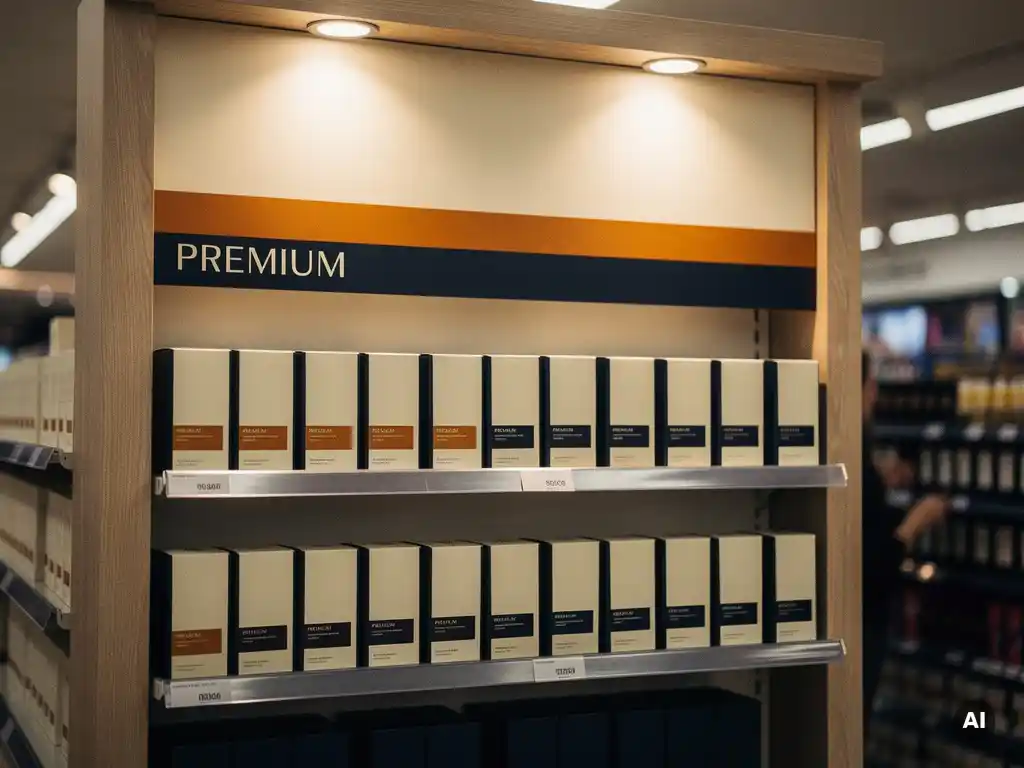
A header card display is a printed card or panel mounted at the top of a retail display unit, pegboard hook, or product grouping to identify, brand, and communicate key messages at the point of purchase. It functions as an immediate visual signal, drawing shopper attention to a specific product category, promotion, or brand within a busy retail environment. The sections below address the most common questions brands and marketing teams ask when specifying or commissioning header card displays.
Header card displays deliver the strongest commercial return for impulse-purchase products, seasonal lines, and items that require a brief explanation or promotional context at the shelf. Categories including health and beauty, confectionery, accessories, small electronics, and personal care consistently perform well with header card formats because shoppers in these aisles respond to clear visual cues and concise messaging at eye level or above.
Products launching into a new retail environment also benefit significantly. When a brand is entering a pharmacy, supermarket, or department store for the first time, a header card establishes immediate brand recognition and differentiates the product grouping from adjacent competitors. Promotional ranges, gift sets, and limited-edition lines use header cards to create a defined, branded footprint without requiring a permanent fixture investment.
A header card display works by positioning branded, informational, or promotional content at the top of a product grouping, directing shopper attention downward to the merchandise below. The card sits above the product at a height that is visible from a natural standing position, acting as a navigational aid within the aisle and a brand communication tool at the point of sale.
In practice, the header card anchors a display unit, pegboard section, or shelf bay, giving an otherwise generic retail fixture a distinct branded identity. It signals to the shopper that the products beneath belong to a curated range or promotional offer. This is particularly effective in high-traffic environments where shoppers make decisions quickly and visual hierarchy determines which products receive consideration.
The header card also serves a secondary function for retail staff, clearly delineating where a brand's allocated space begins and ends, which supports correct product placement and replenishment.
A header card display should include the brand name or logo, a primary message or headline, and any essential promotional or product information the shopper needs to make a decision. The content must be legible at a distance and communicate its core message within two to three seconds of a shopper passing the display.
Effective header cards typically contain the following elements:
Overcrowding a header card reduces its effectiveness. The design should prioritise clarity over completeness, directing the shopper's eye rather than attempting to communicate every product attribute.
Header card displays are most commonly made from printed corrugated board, solid board, or Foamex, with the choice of material determined by the display's intended lifespan, retail environment, and budget. Temporary promotional displays typically use corrugated or solid board, while semi-permanent and permanent header cards are produced in Foamex, acrylic, or PVC for greater durability.
Material selection also depends on the retailer's requirements and the brand's sustainability commitments. Recyclable board substrates are increasingly specified by brands seeking to reduce the environmental impact of their in-store marketing activity, and many retailers now expect suppliers to demonstrate responsible material choices as part of the approval process.
For premium brand environments, header cards may incorporate additional materials such as brushed metal inserts, acrylic lenses, or printed foils to elevate the perceived quality of the display. The material finish should be consistent with the brand's positioning and the overall aesthetic of the retail environment in which it appears.
A header card display is distinguished from other point-of-sale display formats by its position and function: it sits at the top of a display unit or product grouping and serves primarily as an identification and communication device rather than a product-holding structure. It does not carry stock, unlike a floor-standing display unit or a countertop display, but instead directs attention to the merchandise it heads.
Compared to other common retail POS formats, the distinctions are as follows:
Understanding these distinctions matters when briefing a retail display supplier, as each format requires different design specifications, material choices, and retailer approval processes.
Retailer approval for a header card display is obtained by submitting design artwork and, in most cases, a physical prototype or pre-production sample that meets the retailer's specific guidelines for dimensions, materials, branding, and compliance. Major retailers operate structured approval processes managed by their own commercial or space planning teams, and non-compliance at any stage can delay or prevent a display from reaching the shop floor.
The approval process typically follows these stages:
Brands that work with a retail display partner whose installation teams already hold retailer approval typically move through this process more efficiently. Familiarity with a retailer's standards from previous projects reduces the risk of rejection and accelerates time to shelf.
Pivotal provides end-to-end support for brands specifying and deploying header card displays across UK retail environments. With over 2,000 retail and brand experiences installed in 2025 alone, the team brings direct knowledge of retailer approval requirements, material specifications, and in-store compliance standards.
If you are briefing a header card display for an upcoming product launch, promotional campaign, or fixture refresh, contact Pivotal to discuss your requirements with a specialist who understands the full project lifecycle from design through to installation.