
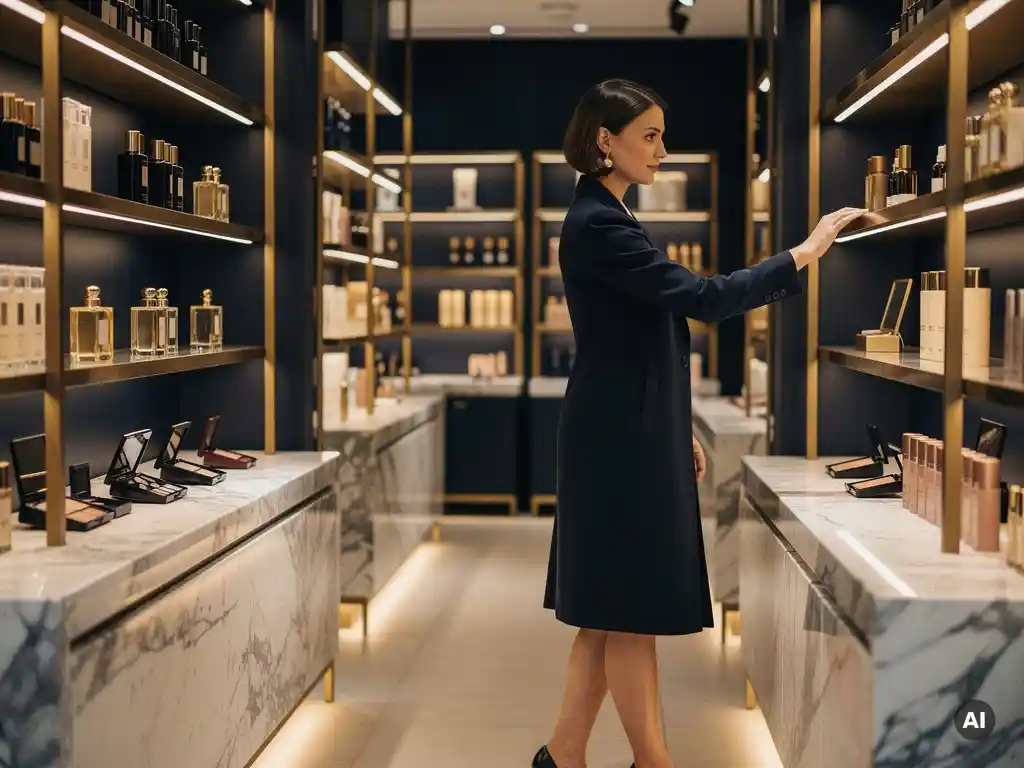
UK brands build loyalty through physical retail environments by creating immersive, consistent, and emotionally resonant in-store experiences that reinforce brand identity at every touchpoint. When shoppers feel a genuine connection to a space, they return. The following questions unpack how store design, point of sale execution, sector investment, sustainability, and display strategy each contribute to long-term brand loyalty.
A physical retail environment builds brand loyalty when it consistently delivers a sensory and emotional experience that reinforces a brand's values, quality, and identity. Shoppers who feel welcomed, understood, and engaged in-store are significantly more likely to return and recommend. The environment itself becomes part of the brand promise.
Loyalty is not built through a single transaction but through repeated, positive encounters. In physical retail, every element of the store environment contributes to that accumulation: the spatial layout, the quality of fixtures, the clarity of signage, the ease of navigation, and the coherence between what a brand communicates online and what a shopper experiences in person.
Brands that invest in bespoke, well-considered in-store environments signal to shoppers that they matter. A thoughtfully designed retail space communicates confidence, care, and quality before a single product is touched. That signal is powerful and difficult for e-commerce alone to replicate. Physical retail remains the most direct channel for human-centred brand building, and the brands that treat it as a strategic asset rather than a cost centre consistently outperform those that do not.
UK brands use store design to differentiate by developing distinctive spatial identities, material palettes, and shopper journeys that competitors cannot easily replicate. Design differentiation moves beyond aesthetics to create environments that communicate brand values, guide purchasing decisions, and make the shopping experience memorable.
Differentiation through store design operates on several levels simultaneously:
For brands operating in competitive categories such as beauty, wellness, or lifestyle, store design is one of the few remaining levers that cannot be commoditised. A competitor can match a price point; they cannot instantly replicate a carefully crafted in-store environment.
Point of sale design plays a critical role in customer retention by shaping the final moments of the shopper journey, reinforcing brand credibility, and encouraging repeat purchase decisions. Well-executed POS design reduces friction, communicates value clearly, and leaves a lasting impression that influences future visits.
The point of sale is often the last brand touchpoint before a purchasing decision is made. Poor execution at this stage can undermine the entire in-store experience, while strong POS design consolidates it. Effective retail POS communicates product benefits concisely, highlights promotions without creating visual noise, and maintains brand consistency with the broader store environment.
For brands in pharmacy, beauty, and FMCG, where shelf competition is intense, POS design is particularly consequential. A display that is visually distinctive, structurally sound, and easy for retail staff to maintain is more likely to remain in position and in good condition, sustaining brand visibility over time. Retention, in this context, is as much about maintaining brand presence in-store as it is about winning individual shoppers back.
In the UK, the beauty and personal care, fashion, grocery, and health and wellness sectors invest most heavily in loyalty-driven store design. These are categories where brand differentiation is high, purchase frequency is significant, and the in-store experience has a direct and measurable influence on customer retention.
Beauty and personal care brands are among the most active investors in bespoke in-store environments. Premium skincare and cosmetics brands consistently allocate substantial budgets to display design, shop-in-shop formats, and branded fixtures within department stores and pharmacies. The rationale is clear: in a category where product efficacy is difficult to assess without trial, the in-store environment does significant persuasive work.
Fashion retailers invest in store design to communicate brand positioning and create aspirational environments that reinforce the perceived value of their products. Grocery and convenience retailers focus on layout optimisation and own-brand presentation to drive loyalty through familiarity and ease. Health and wellness brands, particularly those entering pharmacy and specialist retail channels, are increasingly recognising the strategic value of well-designed permanent fixtures in building long-term shopper relationships.
Sustainability in retail design strengthens brand loyalty by aligning the physical store environment with the values of an increasingly environmentally conscious shopper base. Brands that demonstrate genuine commitment to sustainable materials, responsible manufacturing, and reduced waste build trust that translates into long-term customer relationships.
Shoppers in 2026 are more informed and more discerning about brand ethics than at any previous point. A retail environment built with sustainable materials and responsible processes communicates that a brand's values extend beyond marketing. This coherence between stated values and physical execution is a powerful driver of loyalty, particularly among younger consumer demographics who scrutinise brand behaviour closely.
Sustainability in retail design is not simply a matter of material substitution. It encompasses the entire lifecycle of a display or fixture: the sourcing of raw materials, the efficiency of the manufacturing process, the durability and repairability of the finished product, and its end-of-life disposal or repurposing. Brands that approach sustainability at this level of rigour are better positioned to communicate their credentials authentically and to avoid the reputational risk of greenwashing.
From a commercial perspective, sustainable retail design can also reduce long-term costs. Durable, well-constructed fixtures require less frequent replacement, and brands that build sustainability into their in-store programmes from the outset often find they are better aligned with the procurement requirements of major retail partners.
A brand should invest in a permanent retail display when it has an established, ongoing presence in a retail location and requires a durable, brand-consistent fixture that will perform reliably over an extended period. Temporary displays are appropriate for product launches, seasonal campaigns, and promotional activations where flexibility and speed to market are the priority.
The decision between permanent and temporary retail display investment depends on several commercial and strategic factors:
The most effective in-store strategies often combine both: a permanent fixture that anchors the brand's presence in-store, supplemented by temporary promotional displays that create seasonal interest and drive incremental sales. The two formats are complementary rather than mutually exclusive.
Pivotal is a UK-based, full-service retail design company that supports brands at every stage of the in-store journey, from initial concept through to installation and ongoing maintenance. For brands seeking to strengthen their retail environments and build genuine customer loyalty, Pivotal offers:
In 2025, Pivotal's in-store engineers visited a store every 34 minutes and installed over 2,000 new retail and brand experiences, with 15 new global brands choosing Pivotal as their in-store partner. That operational scale and commercial track record make Pivotal a credible and capable partner for brands investing seriously in physical retail experience. To discuss how Pivotal can design and deliver your next in-store programme, contact the team today.
ROI from in-store design can be measured through a combination of metrics: uplift in sales per square foot, changes in dwell time, repeat visit frequency, and conversion rates before and after a display refresh. Brands with longer-term permanent fixtures should also factor in cost-per-impression over the display's lifespan, which typically makes bespoke, durable solutions significantly more cost-effective than repeated temporary alternatives. Working with a retail design partner who provides post-installation reporting can help establish a clear baseline and track performance over time.
Consistency across locations requires a combination of rigorous design documentation, standardised material and fixture specifications, and a reliable installation process. Brands should develop a detailed brand environment guide that covers spatial layouts, fixture dimensions, material finishes, and signage standards so that every location delivers the same shopper experience. Using a single, experienced retail design partner with its own employed installation teams, rather than multiple regional contractors, significantly reduces the risk of inconsistency creeping in across a wider estate.
The most common mistakes include underestimating the importance of retailer compliance requirements, designing for aesthetics without accounting for the practicalities of retail staff maintenance, and failing to prototype before committing to full-scale production. Brands also frequently overlook the need for the fixture to function effectively across different store footprints and lighting conditions. Investing in a rapid prototyping stage before full production can prevent costly redesigns and ensure the fixture performs as intended in a real retail environment.
Ideally, a retail design partner should be briefed at least 16 to 24 weeks before the intended in-store launch date, particularly if the project involves bespoke permanent fixtures requiring custom manufacturing. Temporary display programmes with simpler construction can sometimes be turned around more quickly, but even these benefit from an early brief to allow time for concept development, prototyping, and retailer approval. Leaving insufficient lead time is one of the most common causes of compromised display quality and missed launch windows.
Bespoke in-store design is increasingly accessible to smaller and emerging brands, particularly those entering retail through a focused number of key accounts rather than a broad estate. Starting with a well-designed temporary display for a product launch allows a brand to test shopper response and demonstrate sell-through to the retailer before investing in permanent infrastructure. Many retail design partners, including those working across the full spectrum from challenger brands to global names, can structure projects to match a brand's current stage of retail maturity and budget.
Credibility in sustainable retail design comes from specificity and transparency: being able to name the materials used, where they were sourced, how the fixture was manufactured, and what happens to it at end of life. Vague claims such as 'eco-friendly' without supporting detail are increasingly scrutinised by both shoppers and retail partners. Brands should ask their design and manufacturing partner to provide full material traceability and, where possible, seek recognised certifications or third-party validation to substantiate their environmental credentials.
The most important factors to evaluate are end-to-end capability, installation reliability, and relevant sector experience. A partner that handles design, manufacturing, and installation under one roof reduces the coordination risk that comes with managing multiple suppliers across a project. It is also worth asking whether the partner uses its own employed installation teams or subcontractors, as this directly affects quality control and accountability on the shop floor. Finally, look for demonstrated experience in your specific retail channel, whether that is grocery, pharmacy, fashion, or another category, as the practical requirements vary significantly between environments.