
AI video analytics improves retail loss prevention by converting passive CCTV footage into real-time, searchable intelligence. Software analyses camera feeds to flag suspicious behaviour, cut false alarms, and focus staff attention on genuine risk. For UK retailers facing persistent shrink, this shifts loss prevention from reviewing incidents after the fact to intervening as they develop.
The commercial case rests on accuracy, compliance, and integration with the physical store environment. The sections below address the questions retail and brand teams ask most often when evaluating these systems.
AI video analytics can detect concealment of merchandise, repeated sweeping of products from shelves, loitering in high-value aisles, sweethearting at checkout, and unscanned items at self-service tills. Systems identify patterns of movement and interaction rather than individuals, and alert staff when activity deviates from normal shopper behaviour.
Beyond theft, the same technology supports operational loss prevention. Common detection categories include:
Because detection depends on what the camera can see, the quality of the vantage point matters as much as the software. This becomes relevant when considering fixture placement, covered later in this article.
AI reduces false alarms by classifying behaviour in context instead of reacting to simple motion or pixel changes. Traditional CCTV motion detection triggers on any movement, including shadows and passing customers, while AI models distinguish genuine risk indicators from routine shopping activity, so staff receive fewer and more relevant alerts.
Conventional systems depend on human operators to watch screens or review footage retrospectively. Attention degrades over time, and most recorded footage is never examined. AI analytics applies consistent scrutiny across every camera simultaneously, escalating only events that meet defined criteria.
Retailers can further reduce noise by tuning alert thresholds per store, per zone, and per time of day. A threshold suited to a city centre pharmacy during peak trading will differ from one suited to a suburban convenience format. Regular review of alert outcomes allows teams to refine these settings and improve precision over time.
AI video surveillance is lawful in UK retail under UK GDPR and the Data Protection Act 2018, provided the retailer has a legitimate purpose, completes a Data Protection Impact Assessment, displays clear signage, limits retention, and processes only what is necessary. Facial recognition and biometric processing attract significantly stricter requirements.
Retailers should address the following before deployment:
Behavioural analytics that does not identify individuals presents a lower privacy risk than biometric identification. Retailers should seek legal advice and consult the Information Commissioner's Office guidance before selecting a system, as requirements vary with the specific functionality deployed.
Retailers roll out AI loss prevention in phases: define the loss problem, audit existing cameras, pilot in a small group of stores, measure results against a baseline, then scale. A controlled pilot limits risk and builds the evidence needed to secure investment and staff buy-in.
A structured rollout typically follows these steps:
Staff engagement determines success. Teams who understand why a system exists and how to act on its alerts convert technology into measurable reductions in loss.
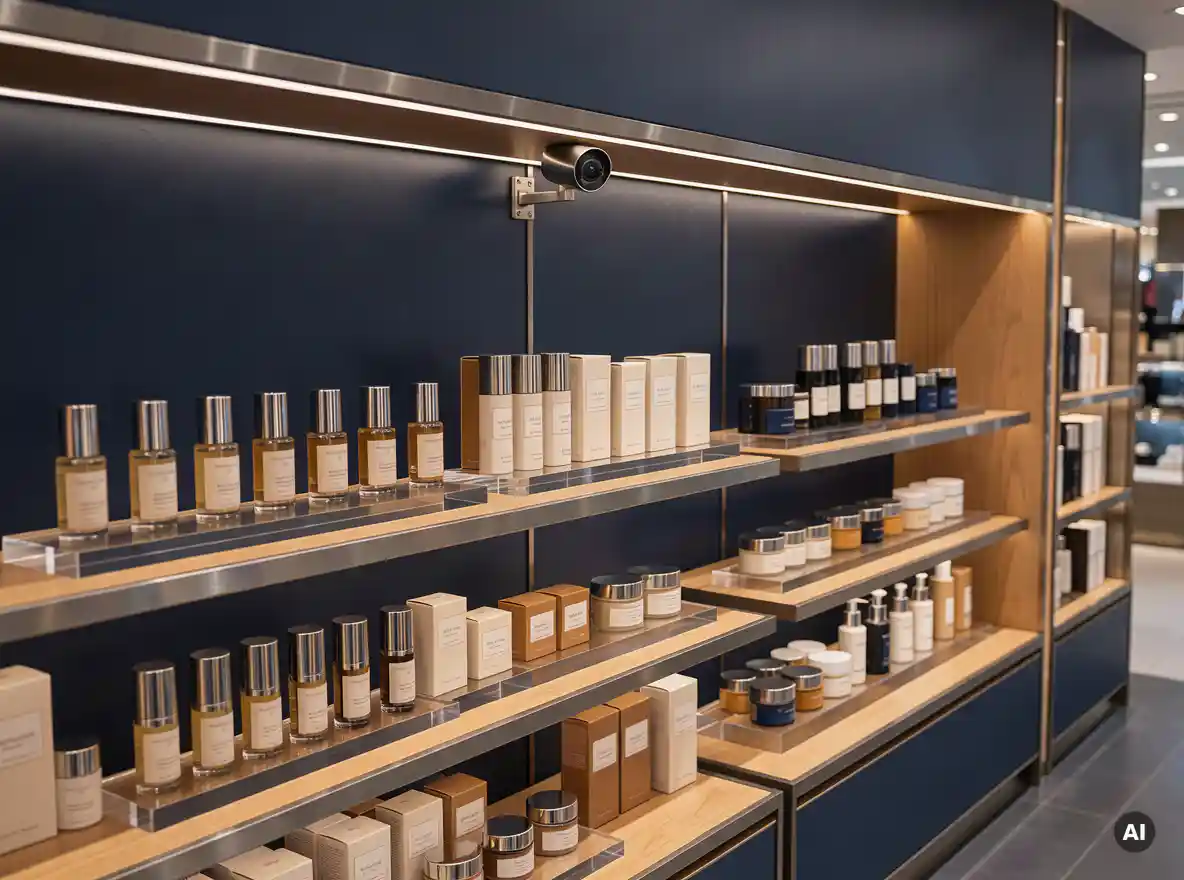
Store design and fixtures support AI loss prevention by controlling sightlines, product accessibility, and camera coverage. Well-planned layouts remove blind spots, position high-value products within monitored zones, and give analytics software clear views of shopper interaction, which improves detection accuracy and reduces reliance on reactive measures.
Physical design choices that complement analytics include:
Ongoing upkeep also matters. Displays that are damaged, relocated, or poorly maintained can create new blind spots and weaken security. Retail maintenance and ongoing support keeps fixtures aligned with the store plan and camera coverage over time, which protects both the brand presentation and the loss prevention investment.
AI video analytics has limits: it depends on camera quality and placement, requires tuning to avoid residual false alerts, cannot determine intent with certainty, and carries privacy obligations. It supports trained staff and sound store design rather than replacing them, and results vary by store format and implementation quality.
Retailers should plan for the following constraints:
The most effective approach combines analytics, considered fixture design, trained staff, and clear response procedures as one coordinated loss prevention strategy.
Pivotal designs, manufactures, installs, and maintains in-store environments that work alongside technology to protect stock and strengthen the shopper experience. Through a full turn-key service delivered by its own employed fitters, Pivotal ensures fixtures and displays support security objectives without compromising brand impact. In 2025, Pivotal installed over 2,000 new retail and brand experiences, and its in-store engineers visited a store every 34 minutes.
To build a store environment that supports your loss prevention strategy, contact Pivotal today and discuss your next retail project.