
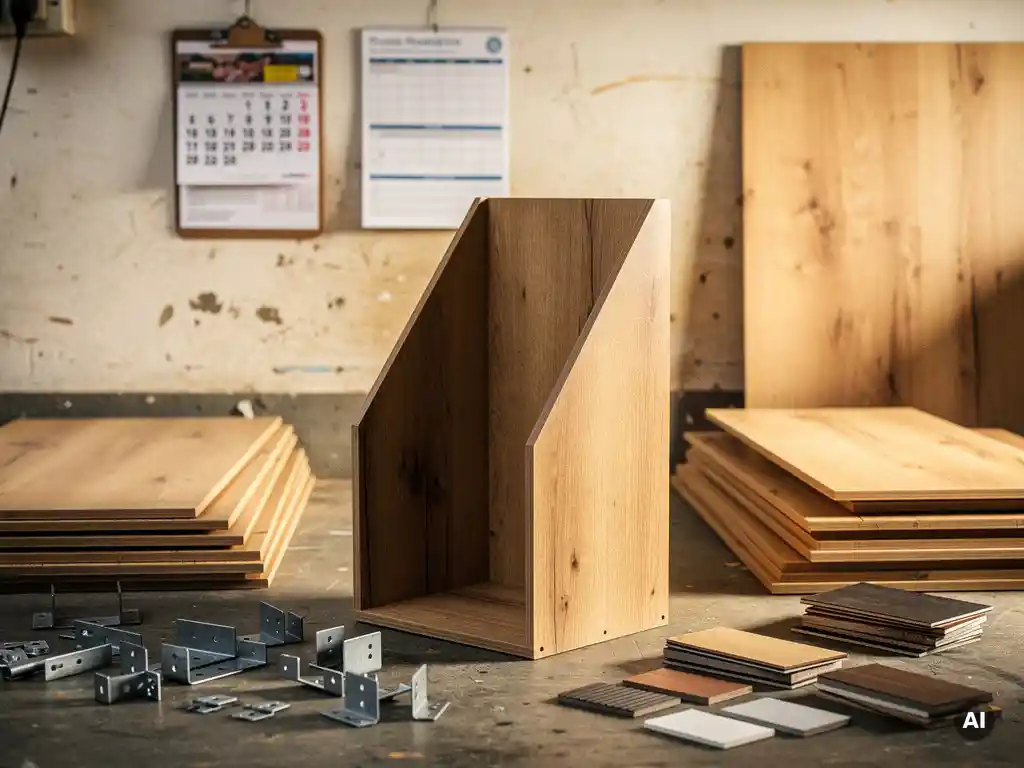
In the UK, POS display lead times typically range from four to twelve weeks, depending on the complexity of the display, the materials involved, and the approval process. Simple temporary displays can be produced in as little as four weeks, while complex permanent fixtures with bespoke fabrication, multiple materials, or large-scale rollouts routinely require ten to twelve weeks or more. Understanding the key stages of production, from initial brief through to on-site installation, is essential for any brand planning a retail launch or fixture refresh.
The primary factors affecting point of sale display production time in the UK are display complexity, material selection, the number of units required, and the depth of the approval process. Each of these variables compounds the others: a complex display requiring bespoke metalwork, printed graphics, and multi-location installation will always carry a longer lead time than a simple corrugated unit produced in volume.
The most significant drivers of production time include:
Brands that engage their retail display supplier early in the planning process consistently experience smoother timelines, as contingency can be built in at every stage rather than absorbed as delay.
The design and approval stage for a POS display typically takes between two and four weeks, though this can extend if multiple rounds of revision are required or if retailer sign-off is part of the process. This stage covers initial concept development, CAD drawings, rapid prototyping where applicable, and formal client approval before manufacturing begins.
The design phase generally progresses through the following sequence:
Delays at the approval stage are one of the most common causes of compressed manufacturing timelines. Brands that maintain clear internal decision-making processes and designate a single point of approval contact can significantly reduce time lost at this stage.
Manufacturing lead times for retail displays in the UK vary considerably by display type. Temporary corrugated displays typically require two to four weeks of production time, semi-permanent displays four to six weeks, and fully bespoke permanent fixtures six to ten weeks or more. These figures apply after design approval and do not include the design stage or installation scheduling.
Temporary point of sale displays, often constructed from corrugated board or lightweight printed materials, carry the shortest manufacturing lead times. These are frequently used for promotional campaigns, seasonal activations, or new product launches where speed to market is critical. Semi-permanent displays, which may incorporate acrylic, moulded components, or lightweight metalwork alongside printed panels, sit in the mid-range for production time and are well suited to campaigns running for several months.
Permanent retail fixtures represent the most complex end of the production spectrum. These displays typically combine joinery, metalwork, acrylic fabrication, and integrated graphics into a single unit designed for long-term deployment. Manufacturing timelines for permanent fixtures reflect the precision required: components must be built to exact tolerances, finished to a high standard, and quality-checked before dispatch. For national rollouts, production is often staged across multiple batches to align with phased installation schedules.
Rush production of POS displays in the UK typically increases unit costs by a significant margin and can introduce quality risks if insufficient time is allocated to quality control, material curing, or structural testing. While reputable manufacturers can accommodate expedited timelines in certain circumstances, compressing the production schedule always involves trade-offs that brands should understand before committing.
The practical implications of rush production include:
Rush production is best reserved for genuinely unforeseen circumstances. Brands that build realistic timelines into their retail planning calendar avoid the cost and quality pressures that compressed schedules create.
Brands should brief their retail display supplier a minimum of twelve weeks before their planned in-store launch date, and ideally sixteen weeks or more for complex permanent fixtures or large-scale national rollouts. Briefing earlier than this provides the buffer required to accommodate design revisions, retailer approval, and any unforeseen production delays without compromising the launch date.
A structured briefing timeline might look as follows:
Brands launching new product lines, refreshing existing fixtures, or planning seasonal activations should treat the supplier brief as a project milestone in its own right, not an afterthought. The earlier the brief, the greater the scope for creative development, accurate prototyping, and a production process that delivers to specification without compromise.
Pivotal manages the full production timeline in-house, from initial concept and CAD through to manufacturing and on-site installation, removing the delays that arise when multiple agencies or suppliers are coordinating separately. For brands working to defined retail launch dates, this integrated approach provides clear accountability and a single point of contact across every stage.
If you are planning a retail display project and need a clear, realistic production timeline, speak to the Pivotal team to discuss your brief and in-store launch requirements.